

Have you noticed strange noises or vibrations when you drive? It might be more than just a minor annoyance.
Your CV joint, a small but crucial part of your car, could be causing bigger problems than you think. You might be wondering—can a bad CV joint actually affect your transmission? Understanding this connection is key to saving you from costly repairs down the road.
Keep reading to find out how a worn-out CV joint can impact your vehicle’s transmission and what you should do if you suspect an issue.

Credit: overbeckauto.com
Cv Joint Role In Vehicle Movement
The CV joint is a vital part of a car’s drive system. It helps transfer power from the transmission to the wheels. This allows the vehicle to move smoothly.
CV joints work even when the wheels turn or the suspension moves. They keep the drive shafts flexible and strong.
What Does A Cv Joint Do?
The CV joint allows the drive shaft to bend and turn. It keeps power flowing to the wheels at different angles. This is important for steering and driving on uneven roads.
- Transfers engine power to wheels
- Allows wheels to turn left and right
- Handles up and down motion of suspension
- Maintains smooth vehicle movement
How A Bad Cv Joint Affects The Transmission
A bad CV joint can cause vibrations and noise. It may also lead to uneven power delivery. This puts extra stress on the transmission.
| Problem | Effect on Transmission |
| Worn CV joint bearings | Increased wear and tear on transmission gears |
| Damaged CV joint boot | Contaminants enter, causing joint failure and transmission strain |
| Broken CV joint | Loss of power transfer, possible transmission damage |
Signs Of A Failing Cv Joint
It is important to recognize when a CV joint is failing. Early detection can protect the transmission and save repair costs.
- Clicking noises while turning
- Grease leaking near the wheel
- Vibrations during acceleration
- Knocking sounds when driving
Credit: blog.kroftools.com
Impact Of A Faulty Cv Joint On Transmission
The CV joint is part of a car’s drive system. It helps transfer power from the transmission to the wheels. A bad CV joint can cause problems beyond just noise or vibration.
Understanding how a faulty CV joint affects the transmission helps prevent bigger repairs. It also keeps your car safe to drive.
What A Cv Joint Does
The CV (constant velocity) joint allows the wheels to turn smoothly. It adjusts to the up and down motion of the suspension. This keeps power flowing even during turns.
Signs Of A Faulty Cv Joint
- Clicking noises when turning
- Vibration during acceleration
- Grease leaking near the wheel
- Loss of power to the wheels
How A Bad Cv Joint Affects The Transmission
A faulty CV joint can strain the transmission. It causes uneven power delivery to the wheels. This extra stress may lead to transmission damage over time.
When the CV joint fails, the transmission may work harder. This can cause overheating and wear. In some cases, the transmission may slip or not shift properly.
| Problem | Effect on Transmission |
| Vibration from bad CV joint | Increased wear on transmission parts |
| Loss of power to wheels | Transmission strain and overheating |
| Grease contamination | Damage to transmission seals and gears |
Preventing Transmission Damage
- Check CV joints for wear regularly
- Replace torn or leaking CV boots quickly
- Address noises and vibrations early
- Keep transmission fluid at correct levels
Signs Of A Damaged Cv Joint
A CV joint connects the wheels to the transmission. It allows the wheels to move and turn smoothly. When a CV joint is bad, it can harm the transmission.
Spotting signs of a damaged CV joint early can save your car from bigger problems. Here are common signs to watch for.
Clicking Or Popping Noises When Turning
A worn CV joint often makes clicking or popping sounds. You hear these noises when you turn the steering wheel. The sound means the joint is loose or damaged.
If you ignore these noises, the CV joint can break completely. This can cause more damage to the transmission.
Grease On The Inside Of The Wheels
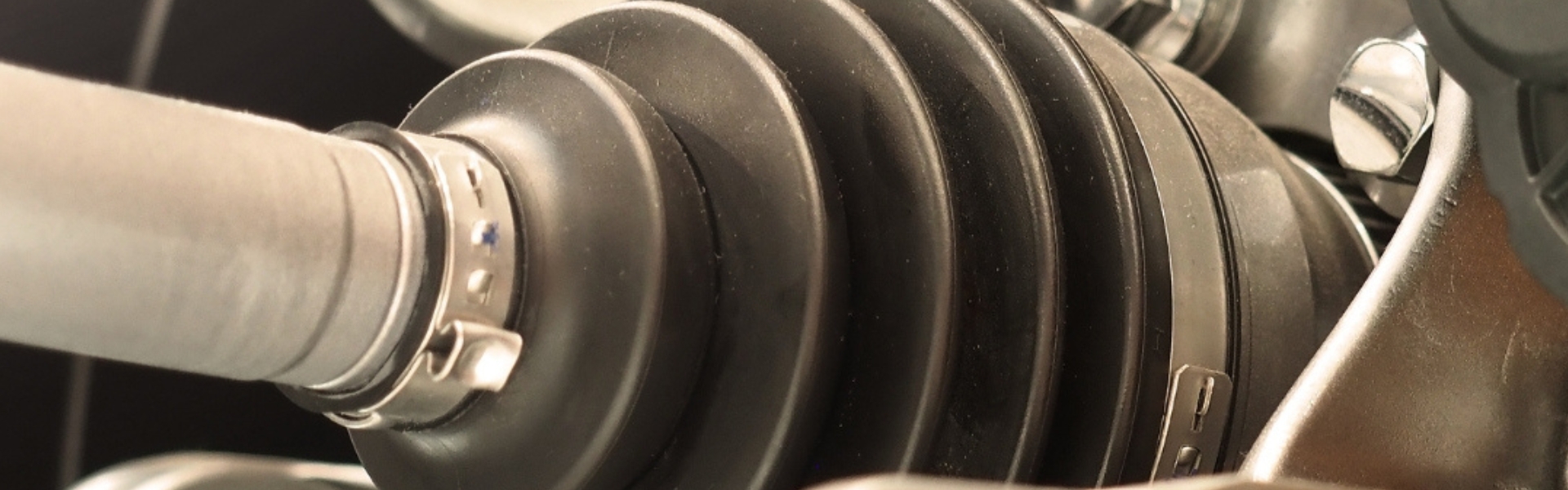
Grease leaks can signal a torn CV joint boot. The boot protects the joint and keeps grease inside. When it tears, grease leaks out near the wheels.
Without grease, the joint wears out fast. This damages the CV joint and may affect the transmission’s performance.
Vibration While Driving
A bad CV joint can cause your car to vibrate. You may feel the shaking more when you speed up or turn. This happens because the joint is not moving smoothly.
Vibrations can stress the transmission and other parts. Fixing the CV joint stops the shaking and protects the car.
Difficulty Steering
If the CV joint is damaged, steering can feel harder. The joint helps the wheels turn easily. A bad joint makes steering stiff or jerky.
Hard steering can lead to more problems with the transmission and suspension. It is important to check the CV joint if you notice this.
Knocking Sounds During Acceleration
Knocking noises while you speed up may mean the CV joint is failing. This sound comes from the joint’s parts hitting each other. It signals internal damage.
This can cause the transmission to work harder. Repairing the CV joint helps avoid bigger transmission issues.

Credit: marlinsautoservice.com
Frequently Asked Questions
Can A Bad Cv Joint Damage The Transmission?
A bad CV joint can stress the transmission by causing uneven power delivery and vibrations.
What Are Signs Of A Failing Cv Joint?
Look for clicking noises during turns, grease leaks, or vibrations while driving.
How Does A Cv Joint Affect Car Handling?
A faulty CV joint can cause jerky movements and reduce smooth steering control.
Can Ignoring A Bad Cv Joint Cause Costly Repairs?
Yes, ignoring it can lead to transmission damage and expensive fixes later.
How Soon Should A Bad Cv Joint Be Repaired?
Repair or replace a bad CV joint as soon as symptoms appear to avoid damage.
Conclusion
A bad CV joint can cause serious problems for your transmission. It creates extra stress and wear on parts. This can lead to costly repairs if ignored. Fixing CV joints early helps protect your vehicle’s transmission. Keep an eye on strange noises or vibrations.
Acting fast saves money and keeps your car running smoothly. Don’t wait until small issues turn into big problems. Regular checks and maintenance are the best ways to avoid trouble. Your car will thank you with better performance and longer life.