

Have you ever wondered if you can charge alkaline batteries instead of tossing them out? It’s a question many people ask because it sounds like a smart way to save money and reduce waste.
But before you try to recharge those batteries, there are some important facts you need to know. You’ll discover whether it’s safe, effective, and worth your time to charge alkaline batteries. Keep reading to avoid common mistakes and make the best choice for your devices and your wallet.
Credit: www.groupon.com
Basics Of Alkaline Batteries
Alkaline batteries are common power sources in many devices. They are known for their long shelf life and steady power output.
This article explains how alkaline batteries work and the types available in the market.
How Alkaline Batteries Work
Alkaline batteries create electricity through a chemical reaction. Inside the battery, zinc and manganese dioxide react with an alkaline electrolyte.
This reaction moves electrons from the zinc to the manganese dioxide, creating electrical current. The battery powers devices until the chemicals are used up.
Types Of Alkaline Batteries
Alkaline batteries come in many sizes and shapes. Each type fits different kinds of devices and power needs.
- AA: Common in remote controls, toys, and clocks
- AAA: Smaller size for compact devices like flashlights
- C and D: Larger batteries used in radios and lanterns
- 9V: Used in smoke detectors and some toys

Credit: www.eblofficial.com
Charging Alkaline Batteries
Alkaline batteries are common in many household devices. People often ask if these batteries can be charged and reused.
Knowing how to handle alkaline batteries safely is important before attempting to recharge them.
Is It Possible To Recharge?
Alkaline batteries are not designed for recharging. They use a chemical reaction that is hard to reverse. Charging them can cause leaks or damage.
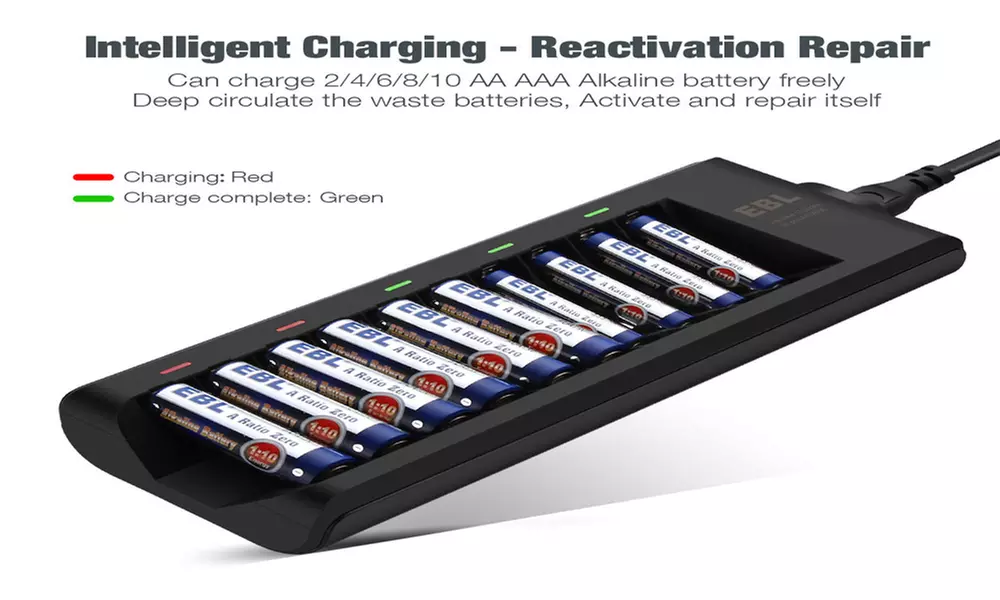
Some special chargers claim they can recharge alkaline batteries but results vary. The battery life after charging is often shorter.
Methods To Recharge Alkaline Cells
- Use a low current charger made for alkaline batteries.
- Charge only partially used batteries to reduce risk.
- Monitor the battery temperature during charging.
- Stop charging if the battery leaks or swells.
- Dispose of damaged batteries safely.
These methods may extend battery life slightly but are not fully reliable. Rechargeable batteries like NiMH are safer and more efficient.
| Method | Benefit | Risk |
| Low current charger | Less heat generated | Slow charging |
| Partial recharge | Reduces damage | Shorter battery life |
| Temperature monitoring | Prevents overheating | Requires extra equipment |
| Stop on damage | Safety improved | Possible battery waste |
Risks And Precautions
Alkaline batteries are common in many devices. People often ask if they can charge these batteries safely.
Charging alkaline batteries is risky and needs care. Knowing the dangers and safety steps helps avoid problems.
Potential Dangers Of Charging
Alkaline batteries are not made for recharging. Charging them can cause leaks or explosions. This can harm you and damage devices.
When charged, alkaline batteries may build pressure inside. This pressure can make the battery burst. The chemicals inside can cause burns or fires.
- Battery leaks can damage devices and skin
- Exploding batteries can cause injury
- Charging may reduce battery life
- Heat build-up can lead to fire hazards
Safety Tips To Follow
Use chargers made only for rechargeable batteries. Do not try to charge alkaline batteries with these chargers.
Always check batteries for damage before use. If a battery looks swollen or leaks, do not charge or use it.
- Use only NiMH or NiCd batteries for charging
- Charge batteries in a safe, dry place
- Keep batteries away from children and pets
- Dispose of old alkaline batteries properly

Credit: www.amazon.com
Alternatives And Best Practices
Charging alkaline batteries is not recommended because it can be unsafe and damage the batteries. There are better options that provide good performance and save money over time. Let’s look at some alternatives and ways to get the most from your batteries.
Using the right batteries and taking care of them can help your devices work longer without interruption. Below are two important topics: rechargeable battery options and tips to maximize battery life.
Rechargeable Battery Options
Instead of trying to recharge alkaline batteries, consider these safer and better choices. Rechargeable batteries offer many benefits and come in different types to fit your needs.
- Nickel-Metal Hydride (NiMH):These batteries hold charge well and work in many devices. They can be recharged hundreds of times.
- Nickel-Cadmium (NiCd):NiCd batteries are durable but contain toxic metals. They are less popular today.
- Lithium-ion (Li-ion):Common in electronics, these batteries have high energy density and recharge quickly.
- Lithium Iron Phosphate (LiFePO4):Known for safety and long life, these batteries are good for power tools and solar setups.
Maximizing Battery Life
To get the most from your batteries, follow these simple practices. They help your batteries last longer and work better in all your devices.
| Practice | Why It Helps |
| Store batteries in a cool, dry place | Heat and moisture reduce battery life |
| Remove batteries from devices if not used for months | Prevents slow drain and corrosion |
| Use batteries before their expiration date | Old batteries lose power even if unused |
| Charge rechargeable batteries fully but avoid overcharging | Protects battery cells and improves lifespan |
| Use the correct charger type for your batteries | Prevents damage and unsafe conditions |
Frequently Asked Questions
Can Alkaline Batteries Be Recharged Safely?
Alkaline batteries are not designed for recharging and may leak or burst if charged.
What Happens If You Charge Alkaline Batteries?
Charging alkaline batteries can cause overheating, leakage, or permanent damage.
Are There Special Chargers For Alkaline Batteries?
Some chargers claim to recharge alkaline batteries but results are unreliable and risky.
How To Dispose Of Used Alkaline Batteries Properly?
Recycle alkaline batteries at designated centers to avoid environmental harm.
What Are Safer Alternatives To Recharge Alkaline Batteries?
Use rechargeable batteries like NiMH or Li-ion for safe, repeated charging.
Conclusion
Alkaline batteries are not designed for repeated charging. Trying to recharge them can cause leaks or damage. Rechargeable batteries, like NiMH, work much better for multiple uses. Always check the battery type before charging. Safe use helps your devices last longer.
Choose the right battery for your needs. This saves money and reduces waste. Remember, safety first when handling batteries. Charging alkaline batteries is risky and not recommended. Use proper batteries to keep your gadgets running smoothly.