

Have you ever wondered what happens if you try to drive with a blown head gasket? It’s a question that can cause a lot of worry, especially if you’re facing car trouble right now.
Your car’s engine is complex, and a blown head gasket is one of the most serious issues it can have. But can you really keep driving, or are you risking even bigger damage? You’ll discover the truth about driving with a blown head gasket, what signs to watch for, and what your next steps should be.
Keep reading—your car and your safety depend on it.
Signs Of A Blown Head Gasket
A blown head gasket can cause serious engine problems. It is important to notice the signs early. This helps prevent more damage to your car.
Here are some common symptoms to watch for and ways to diagnose the issue.
Common Symptoms To Watch For
When a head gasket fails, your car may show these signs. Pay close attention if you notice any of them.
- White smoke coming from the exhaust
- Overheating engine that gets too hot quickly
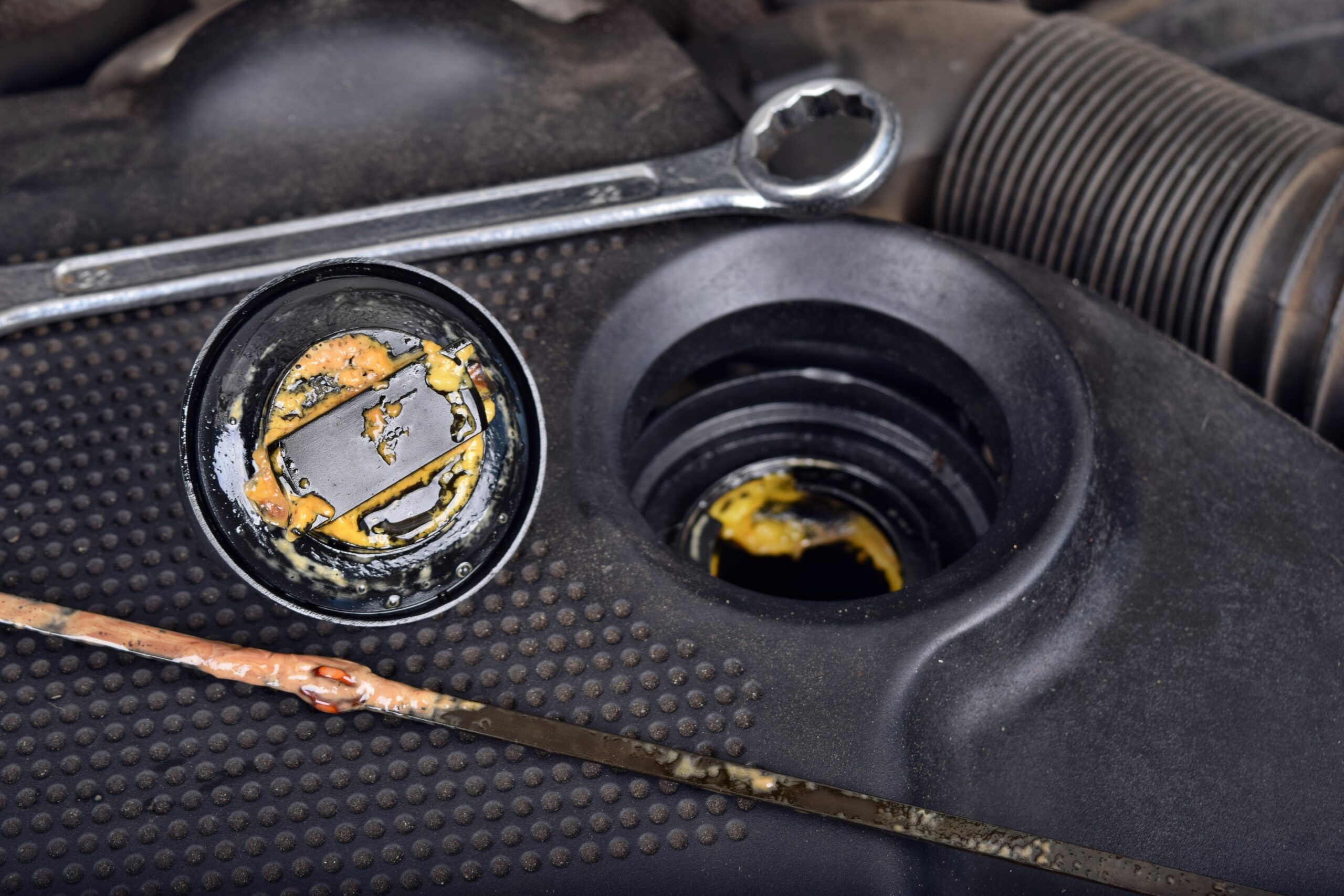
- Milky or frothy oil on the dipstick
- Loss of power or rough running engine
- Coolant levels dropping without leaks
- Bubbles in the radiator or coolant overflow tank
Diagnosing The Issue
To confirm a blown head gasket, mechanics use tests that check for leaks and contamination. These tests are simple but effective.
| Test | Purpose | What It Shows |
| Compression Test | Measures cylinder pressure | Low pressure indicates leaks |
| Leak-down Test | Checks where air escapes | Locates the leak spot |
| Cooling System Pressure Test | Pressurizes coolant system | Finds external leaks |
| Block Test (Combustion Leak Test) | Detects exhaust gases in coolant | Confirms gasket failure |
Credit: www.telletire.com
Dangers Of Driving With A Blown Head Gasket
Driving with a blown head gasket is risky. It can cause serious damage to your engine and put you in danger on the road.
Understanding these dangers helps you avoid costly repairs and stay safe while driving.
Engine Damage Risks
A blown head gasket causes coolant and oil to mix. This harms the engine’s parts and reduces performance.
- Overheating due to loss of coolant
- Corrosion inside the engine
- Oil contamination leading to poor lubrication
- Warped cylinder head from excessive heat
- Complete engine failure if not fixed quickly
Safety Concerns On The Road
Driving with a damaged head gasket can cause your car to break down suddenly. This creates hazards for you and others.
| Risk | Description |
| Engine Overheat | Car may stop running in traffic |
| Loss of Power | Vehicle struggles to accelerate or climb hills |
| Smoke from Exhaust | Reduced visibility for drivers behind you |
| Fluid Leaks | Slippery roads increase accident risk |
Expert Tips For Handling A Blown Head Gasket
A blown head gasket can cause serious car problems. It affects engine performance and can lead to costly damage.
Knowing what to do immediately and when to get help can save your car and your money.
Immediate Steps To Take
Stop driving your car as soon as you suspect a blown head gasket. Continuing to drive can cause more damage.
Check the coolant and oil levels. Look for signs like milky oil or overheating engine.
- Turn off the engine to avoid overheating
- Do not add water or coolant if the engine is hot
- Call for a tow to avoid further damage
- Check for white smoke from the exhaust
When To Seek Professional Help
Get a mechanic to inspect your car if you see coolant loss or white smoke. These signs point to a blown head gasket.
Do not try to fix the gasket yourself. Professionals have the right tools and knowledge to repair it properly.
- Take your car to a trusted repair shop immediately
- Ask for a full engine diagnostic test
- Discuss repair options and costs with the mechanic
- Schedule repairs as soon as possible to prevent engine failure

Credit: stringerautorepair.com

Credit: www.whocanfixmycar.com
Frequently Asked Questions
Can You Drive A Car With A Blown Head Gasket?
Driving with a blown head gasket can cause serious engine damage. It’s best to avoid driving until fixed.
What Are The Risks Of Driving With A Blown Head Gasket?
Driving risks include overheating, engine failure, and costly repairs. Damage worsens quickly without repair.
How Long Can You Drive With A Blown Head Gasket?
Driving time varies but usually only short distances are possible before major problems occur.
What Symptoms Show A Blown Head Gasket While Driving?
Watch for overheating, white smoke, coolant loss, and poor engine performance as key signs.
Can A Blown Head Gasket Cause Engine Overheating?
Yes, a blown gasket often leads to coolant leaks, causing the engine to overheat.
Conclusion
Driving with a blown head gasket is risky and can cause more damage. The engine may overheat and fail quickly. Repair costs rise if you ignore the problem. It is safer to stop driving and get help. Early repairs save money and prevent bigger issues.
Protect your car by acting fast. Don’t wait until the damage worsens. Your safety and your car’s health matter most.