

Are you wondering if it’s safe to mix pink and green antifreeze in your vehicle? You’re not alone.
Many car owners face this question and feel unsure about what to do. Using the wrong mix could harm your engine or reduce your coolant’s effectiveness. But don’t worry—this article will clear up the confusion and help you protect your car.
Keep reading to find out exactly what happens when you mix these two antifreeze types and how to make the best choice for your vehicle’s health.
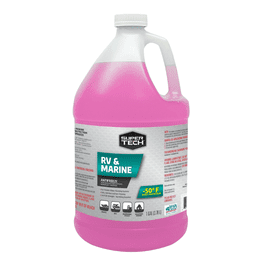
Credit: www.walmart.com
Types Of Antifreeze Colors
Antifreeze comes in many colors. These colors show the type of chemicals inside.
Pink and green antifreeze are common. Each color means different formulas and uses.
Common Pink And Green Formulas
Pink antifreeze usually uses organic acid technology (OAT). It protects engines for a long time.
Green antifreeze often uses inorganic additive technology (IAT). It is the older and more common type.
- Pink antifreeze lasts up to 5 years or 150,000 miles
- Green antifreeze lasts about 2 years or 30,000 miles
- Pink is used in newer cars
- Green is common in older cars
Chemical Differences
Pink antifreeze uses organic acids to stop rust and corrosion. It works slowly and lasts longer.
Green antifreeze has silicates and phosphates. These chemicals protect metal parts quickly but wear out faster.
| Chemical Type | Pink Antifreeze | Green Antifreeze |
| Technology | Organic Acid Technology (OAT) | Inorganic Additive Technology (IAT) |
| Corrosion Protection | Slow and long-lasting | Fast but shorter lasting |
| Common Use | Newer vehicles | Older vehicles |
| Service Life | Up to 5 years | About 2 years |

Credit: www.walmart.ca
Risks Of Mixing Pink And Green Antifreeze
Mixing pink and green antifreeze can cause problems in your vehicle. Both types have different chemicals and properties. Using them together may harm your engine and cooling system.
It is important to understand the risks before mixing these antifreeze types. This helps you avoid costly repairs and engine damage.
Potential Chemical Reactions
Pink and green antifreeze often use different chemical bases. Mixing them can cause unwanted reactions. These reactions may create sludge or gels inside the cooling system.
This sludge can block coolant flow and reduce heat transfer. It can also damage hoses and seals, causing leaks and engine overheating.
- Pink antifreeze usually uses organic acid technology (OAT)
- Green antifreeze often uses inorganic additives (IAT)
- Mixing OAT and IAT can cause chemical breakdown
- Sludge and gel formation can clog the cooling system
Impact On Engine Performance
Using mixed antifreeze can reduce engine cooling efficiency. Poor cooling can cause the engine to run hotter than normal. This leads to faster wear and possible engine failure.
Mixed antifreeze can also affect the corrosion protection inside the engine. Corrosion can damage metal parts and reduce engine life. It may also cause costly repairs over time.
- Reduced cooling efficiency causes higher engine temperatures
- Corrosion protection weakens, damaging metal parts
- Increased risk of leaks and overheating
- Possible engine damage and expensive repairs
Safe Practices For Using Antifreeze
Using antifreeze safely helps protect your vehicle and the environment. Mixing different antifreeze types can cause problems. It is important to understand how to choose and mix antifreeze correctly.
Always follow the manufacturer’s instructions and use the right antifreeze for your car. This guide explains how to pick the right antifreeze and mix it properly.
Choosing The Right Antifreeze
Antifreeze comes in various colors, including pink and green. These colors usually show different chemical formulas. Mixing them without care can reduce protection or cause damage.
| Antifreeze Color | Chemical Base | Common Use |
| Pink | Organic Acid Technology (OAT) | Modern cars, long life |
| Green | Inorganic Additive Technology (IAT) | Older cars, classic cooling systems |
Check your car’s manual before choosing antifreeze. Some engines require only one type. Using the wrong type can cause corrosion or clog the cooling system.
Proper Mixing Guidelines
Mixing pink and green antifreeze is not recommended. If you must mix, do it carefully to avoid engine damage. Use these guidelines to mix antifreeze safely.
- Use a clean container to mix antifreeze.
- Mix antifreeze with distilled water, not tap water.
- Follow the ratio recommended by your vehicle’s manual.
- Never mix different chemical types unless specified by the manufacturer.
- Flush the cooling system if changing antifreeze types before refilling.
Always dispose of old antifreeze properly. It is toxic and harmful to animals and the environment.

Credit: www.reddit.com
Frequently Asked Questions
Can Pink And Green Antifreeze Be Mixed Safely?
Mixing pink and green antifreeze is not recommended. Different formulas can cause chemical reactions and damage your engine.
What Happens If You Mix Pink With Green Coolant?
Mixing pink and green coolant may cause sludge build-up and reduce antifreeze effectiveness, leading to engine overheating.
Are Pink And Green Antifreeze Types Compatible?
Pink and green antifreeze use different additives and are generally not compatible. Use the same type for best results.
How To Know Which Antifreeze Is Safe To Mix?
Check your vehicle’s manual or coolant label. Use antifreeze with matching colors and specifications to avoid damage.
Can Mixed Antifreeze Affect Car Warranty?
Using the wrong or mixed antifreeze can void your car warranty. Always follow manufacturer antifreeze recommendations.
Conclusion
Mixing pink and green antifreeze can cause problems in your car. These fluids have different chemicals that may not work well together. Using the wrong mix can harm your engine or cooling system. Always check your car’s manual for the right antifreeze type.
When unsure, it is safer to drain old fluid first. Protect your engine by choosing the correct antifreeze. Taking care now saves costly repairs later. Stay safe and keep your car running smoothly.