

Last Updated on June 17, 2026
When you pick up a tool, do you ever wonder what really sets hand tools apart from power tools? Understanding the difference can change the way you approach your projects and even save you time and effort.
Whether you’re a DIY enthusiast or just starting out, knowing which tool to use—and when—can make your work smoother and more satisfying. You’ll discover clear, simple explanations that will help you choose the right tool for every task. Keep reading, and unlock the secrets to working smarter, not harder.

Credit: tendsupplies.com
Types Of Hand Tools
Hand tools are simple devices used for tasks without electricity. They help in cutting, shaping, fastening, and measuring.
These tools are easy to carry and use. They come in many types, each made for specific jobs.
Common Hand Tools
Some hand tools are found in almost every toolbox. Each serves a unique purpose and makes work easier.
- Hammer: Used for driving nails and breaking objects.
- Screwdriver: Turns screws to fasten or remove them.
- Pliers: Grips, twists, or cuts wires and small objects.
- Wrench: Tightens or loosens nuts and bolts.
- Chisel: Cuts or shapes wood, metal, or stone.
- Hand saw: Cuts wood or plastic by manual force.
Materials And Construction
Hand tools are made from strong materials to last long. Their parts include handles and working ends.
| Material | Use | Benefit |
| Steel | Blades and jaws | Strong and durable |
| Wood | Handles | Comfortable grip |
| Plastic | Handles | Lightweight and non-slip |
| Rubber | Handle covers | Better grip and shock absorption |
Types Of Power Tools
Power tools help to finish tasks faster than hand tools. They use electricity or batteries to work. There are many types of power tools for different jobs.
Understanding the types of power tools can help you choose the right one. Two main categories are corded and cordless power tools. Also, some power tools are more popular for common tasks.
Corded Vs Cordless
Corded power tools plug into an electrical outlet. They provide constant power and do not need charging. These tools are good for long or heavy jobs.
Cordless power tools run on batteries. They are easy to carry and use anywhere. Battery life limits how long they can run before recharging.
- Corded tools:Always powered, no battery needed
- Cordless tools:Portable, powered by rechargeable batteries
- Corded tools:Heavier and less flexible
- Cordless tools:Lighter and more flexible
- Corded tools:Good for continuous work
- Cordless tools:Best for quick jobs or places without outlets
Popular Power Tools
Some power tools are used more often in homes and workshops. These tools can handle many tasks and are easy to find.
| Power Tool | Use | Common Features |
| Drill | Make holes, drive screws | Variable speed, cordless or corded |
| Circular Saw | Cut wood and other materials | Sharp blade, corded or cordless |
| Jigsaw | Cut curves and shapes | Lightweight, variable speed |
| Angle Grinder | Grind, cut metal or stone | High speed, corded or cordless |
| Sander | Smooth surfaces | Orbital or belt types |
Advantages Of Hand Tools
Hand tools have been used for centuries in many tasks. They offer benefits that power tools do not always provide.
These tools are simple to use and fit many needs. They allow users to work with care and precision.
Portability And Control
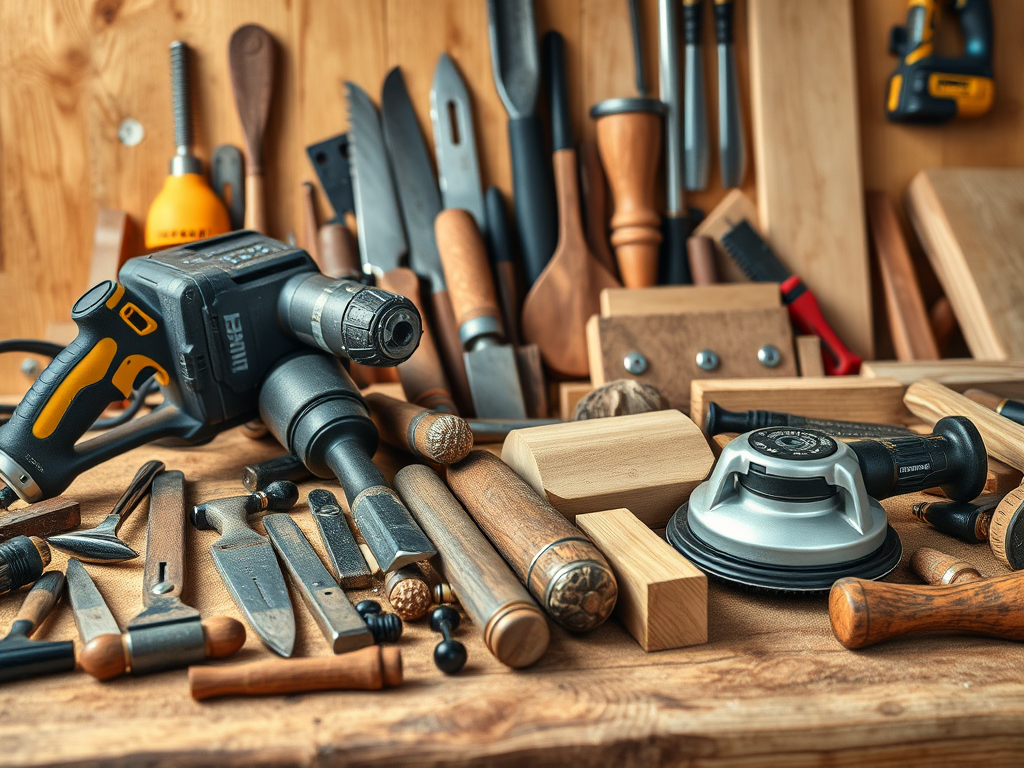
Hand tools are easy to carry. They do not need batteries or cords to work. This makes them great for jobs in many places.
- Lightweight and easy to move
- Work in tight or remote spaces
- Offer precise control over each task
- Allow slow, careful movements for detailed work
Safety And Maintenance
Hand tools are safer to use for many people. They have fewer parts that can break or cause injury. Maintenance is simple and low cost.
| Feature | Hand Tools | Power Tools |
| Risk of injury | Lower | Higher |
| Maintenance | Simple and cheap | Complex and costly |
| Repairs | Easy to fix | Needs expert help |
| Power source | None needed | Batteries or electricity |
Credit: ideastoididit.com
Advantages Of Power Tools
Power tools make many jobs easier and faster. They use electricity or batteries to work. This helps save time and effort compared to hand tools.
People often choose power tools for tasks that need strength and speed. These tools can handle tough jobs without tiring the user.
Efficiency And Speed
Power tools finish work much faster than hand tools. They reduce the time needed for cutting, drilling, or sanding. This helps users complete projects quicker.
- Save time on large projects
- Reduce physical effort
- Improve work consistency
- Allow continuous use without fatigue
Versatility And Power
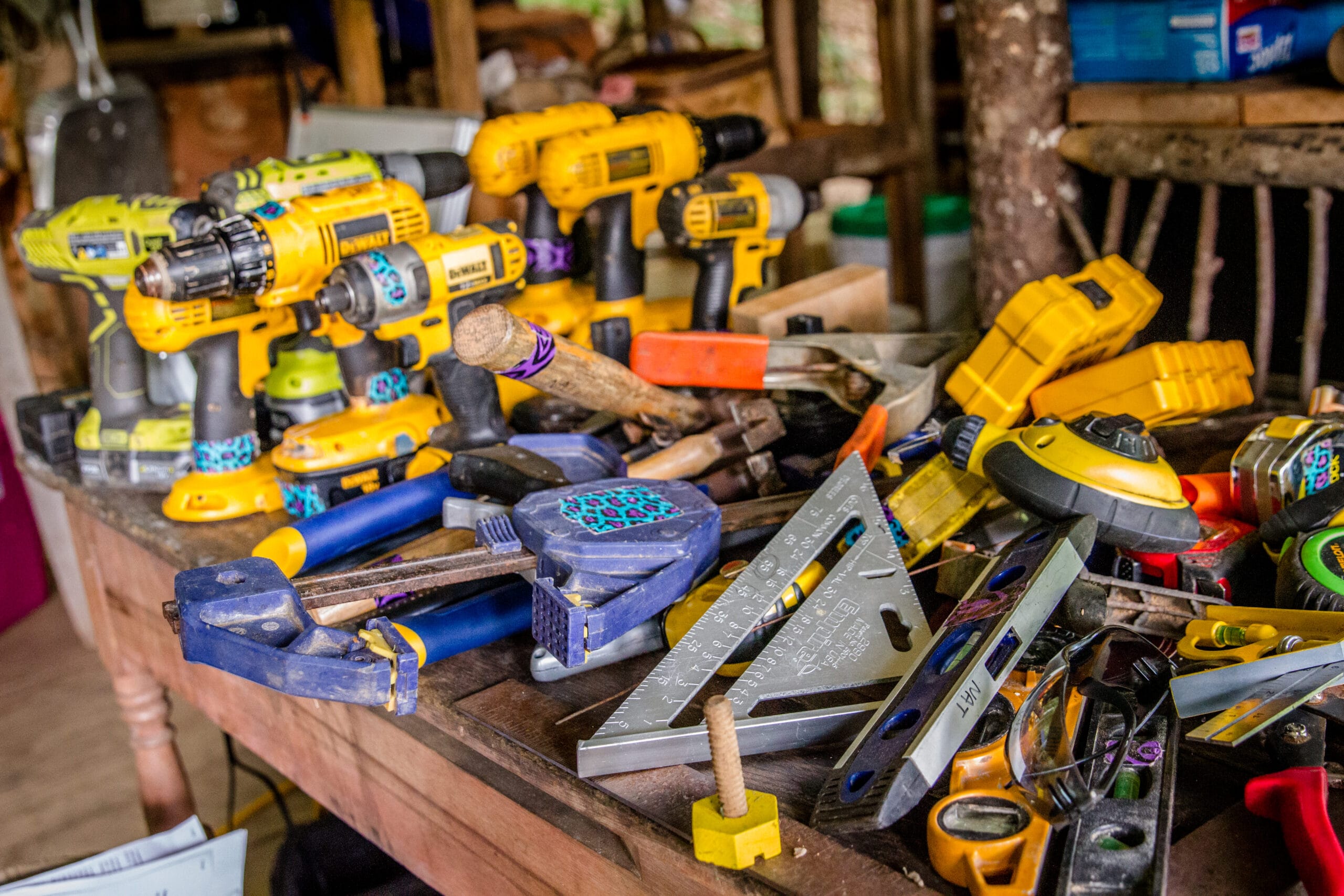
Power tools come in many types for different tasks. They provide strong force that hand tools cannot match. This makes them useful for heavy-duty work.
| Tool Type | Common Use | Power Source |
| Electric Drill | Drilling holes, driving screws | Electricity/Battery |
| Power Saw | Cutting wood or metal | Electricity/Battery |
| Angle Grinder | Grinding, cutting, polishing | Electricity/Battery |
| Impact Driver | Driving screws with high torque | Electricity/Battery |
Credit: www.wildabundance.net
Frequently Asked Questions
What Are The Main Differences Between Hand Tools And Power Tools?
Hand tools require manual effort; power tools use electricity or batteries to work faster and with less effort.
Which Tools Are Safer: Hand Tools Or Power Tools?
Hand tools are generally safer because they move slower and have less risk of injury.
Can Hand Tools Perform The Same Tasks As Power Tools?
Yes, hand tools can do many jobs but usually take more time and effort.
Are Power Tools More Expensive Than Hand Tools?
Power tools usually cost more due to motors and batteries, while hand tools are simpler and cheaper.
Which Tools Are Better For Beginners: Hand Tools Or Power Tools?
Hand tools are better for beginners because they are easier and safer to use.
Conclusion
Hand tools and power tools serve different purposes in work. Hand tools give you control and precision. Power tools save time and reduce effort. Choosing the right tool depends on the task and skill level. Both types have strengths that help in various projects.
Understanding their differences makes work easier and safer. Use tools wisely to get the best results every time. Keep practicing to improve your skills with both hand and power tools.