

Last Updated on June 17, 2026
Have you ever wondered what really happens when you switch your car between Sport mode and Eco mode? Choosing the right driving mode can completely change how your car feels and performs.
Whether you want more power or better fuel efficiency, understanding these modes helps you get the most out of your drive. Keep reading to discover the key differences between Sport mode and Eco mode—and find out which one suits your driving style and needs best.
Sport Mode Features
Sport mode changes how a car drives. It focuses on giving more power and control.
This mode is for drivers who want a more exciting and fast driving experience.
Performance Enhancements
Sport mode boosts the car’s engine power. It allows the car to use more fuel for speed.
The engine runs at higher RPMs to give quicker acceleration and stronger performance.
Throttle Response
Throttle response is faster in sport mode. The car reacts quickly when you press the gas pedal.
This makes the car feel more lively and responsive on the road.
- Less delay between pedal press and engine response
- More direct and sharp acceleration
- Better control during fast driving
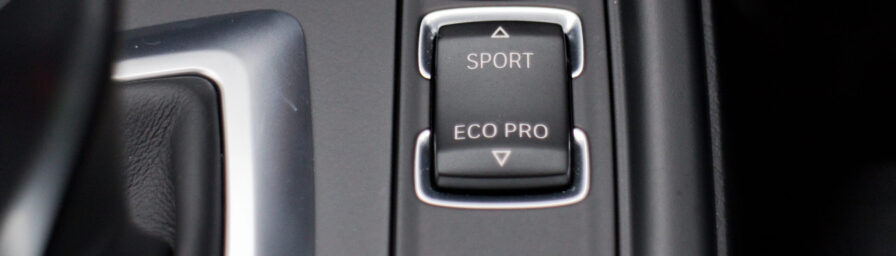
Transmission Behavior
Sport mode changes how the transmission works. It keeps gears longer for better power.
The car shifts at higher speeds to use more engine power before changing gears.
- Delayed upshifts for stronger acceleration
- Downshifts happen faster to keep power ready
- Smoother gear changes for sporty driving
Credit: jerry.ai
Eco Mode Features
Eco mode helps drivers save fuel and reduce pollution. It changes how the car uses power.
This mode makes the car run more smoothly and use less energy. It is good for city driving.
Fuel Efficiency
Eco mode lowers fuel use by adjusting the engine and transmission. It reduces how fast the car accelerates.
This helps the car use less gas on trips. Drivers can save money by using less fuel.
Engine Management
Eco mode changes how the engine works to use less power. It keeps the engine running at lower speeds.
The car shifts gears earlier to avoid high engine revolutions. This makes the ride smoother and quieter.
Reduced Emissions
Eco mode helps cut down harmful gases released by the car. It lowers the car’s impact on air quality.
Using eco mode supports cleaner air and a healthier environment for everyone.
Comparing Driving Experience
Sport mode and eco mode change how a car drives. These modes affect handling, acceleration, and comfort. Drivers feel the difference when switching between them.
Understanding these differences helps drivers choose the best mode for their needs. Each mode offers a unique driving experience.
Handling And Control
Sport mode sharpens handling. It tightens the steering and increases responsiveness. Drivers get better control on turns and quick maneuvers. Eco mode softens the steering for a smoother ride and less effort on the wheel.
- Sport Mode:Firmer steering and faster response
- Eco Mode:Lighter steering and relaxed control
- Sport Mode:Better for winding roads and fast driving
- Eco Mode:Better for city driving and traffic
Acceleration Differences
Sport mode gives quicker acceleration. The engine uses more power for fast starts and overtaking. Eco mode limits power to save fuel. Acceleration is slower but smoother in eco mode.
| Feature | Sport Mode | Eco Mode |
|---|---|---|
| Throttle Response | High | Low |
| Fuel Consumption | Higher | Lower |
| Engine Power Use | Maximum | Restricted |
| Acceleration Feel | Quick and sharp | Slow and smooth |
Comfort Levels
Eco mode focuses on comfort by softening suspension and reducing engine noise. Sport mode may stiffen the suspension for better road feedback. This can feel less smooth but more connected to the road.
Comfort comparison:
- Eco mode reduces vibrations and noise
- Sport mode increases road feel and firmness
- Eco mode suits long drives and city trips
- Sport mode suits short, spirited drives
Credit: carbuzz.com
Choosing The Right Mode
Modern cars often have Sport Mode and Eco Mode to improve driving. Each mode changes how the car works to fit your needs.
Knowing when to use each mode helps you get the best from your vehicle. It also affects fuel use and driving comfort.
When To Use Sport Mode
Sport Mode makes the car more responsive and powerful. It sharpens throttle response and changes transmission settings for faster acceleration.
- Use Sport Mode on open roads or highways for quick overtaking.
- Choose it for a fun, spirited drive with better handling.
- Avoid Sport Mode in heavy traffic or tight city driving to save fuel.
When To Use Eco Mode
Eco Mode helps save fuel and reduce emissions. It changes engine and transmission settings to use less power.
- Use Eco Mode for daily city driving and stop-and-go traffic.
- Choose it to extend your fuel range on long trips.
- Use it when you want a smooth and gentle driving experience.
Impact On Vehicle Longevity
| Mode | Effect on Engine | Effect on Fuel | Wear and Tear |
| Sport Mode | Higher engine stress due to increased power | Consumes more fuel | More wear on brakes and tires |
| Eco Mode | Lower engine stress for gentle driving | Improves fuel efficiency | Less wear on mechanical parts |
Credit: www.oaklawntoyota.com
Frequently Asked Questions
What Is The Main Purpose Of Sport Mode In Cars?
Sport Mode boosts engine power and sharpens throttle response for better acceleration and performance.
How Does Eco Mode Save Fuel In Vehicles?
Eco Mode adjusts engine and transmission to reduce fuel use and improve mileage.
Can Sport Mode Affect Car Fuel Efficiency?
Yes, Sport Mode uses more fuel due to higher engine performance and quicker acceleration.
Is Eco Mode Suitable For All Driving Conditions?
Eco Mode works best in city driving and smooth roads, not for high-speed or steep climbs.
How Do Sport And Eco Modes Change Car Handling?
Sport Mode makes steering and throttle more responsive, while Eco Mode softens them for smooth driving.
Conclusion
Sport mode boosts your car’s power and speed. Eco mode saves fuel and helps the environment. Each mode suits different driving needs and habits. Choose sport mode for quick, energetic driving fun. Pick eco mode to save money and reduce emissions.
Knowing the difference helps you drive smarter every day. Try both modes to see which feels best. Your car adapts to how you want to drive. Simple choices can change your driving experience a lot.