

Last Updated on June 17, 2026
When it comes to taking care of your vehicle, choosing the right oil is one of the smartest decisions you can make. You might have heard about synthetic and conventional oils, but what exactly sets them apart?
Understanding the difference can save you money, improve your engine’s performance, and extend its life. You’ll discover how these oils work, which one fits your needs best, and why this choice matters more than you might think. Keep reading to make sure you’re giving your engine the care it truly deserves.
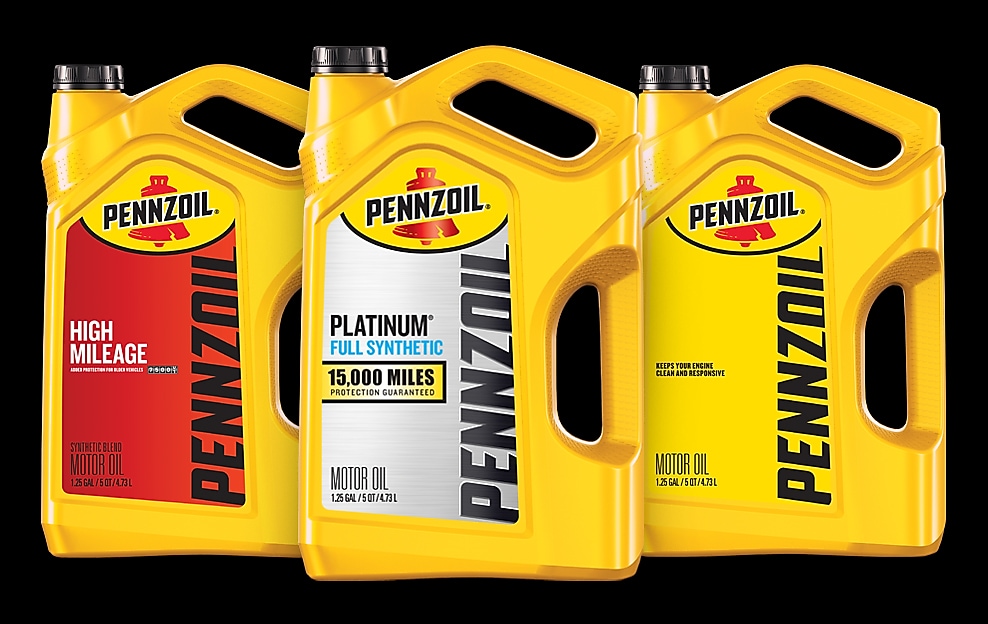
Credit: www.pennzoil.com
Types Of Engine Oils
Engine oil keeps your car’s engine running smoothly. It reduces friction and protects parts inside the engine.
There are two main types of engine oils: conventional oil and synthetic oil. Each type has different features and uses.
What Is Conventional Oil
Conventional oil is made from crude oil that comes from the ground. It is refined and cleaned before use.
This oil works well for regular driving and is less expensive than synthetic oil. It does not last as long and breaks down faster.
- Made from natural crude oil
- Good for normal driving conditions
- Less expensive than synthetic oils
- Needs more frequent oil changes
What Is Synthetic Oil
Synthetic oil is made in a lab using chemical compounds. It is designed to be pure and stable.
This oil protects engines better in extreme temperatures and lasts longer. It costs more but offers better performance.
- Made from man-made chemicals
- Works well in very hot or cold weather
- Lasts longer than conventional oil
- More expensive but better for the engine
Performance Comparison
Synthetic and conventional oils serve the same purpose. Both lubricate engine parts to reduce wear. Yet, they differ in how they perform under different conditions.
This comparison focuses on two key aspects: viscosity and stability, and temperature resistance. Understanding these helps choose the right oil for your engine.
Viscosity And Stability
Viscosity shows how thick or thin an oil is. Stability means how well the oil keeps its viscosity over time. Synthetic oils generally keep their viscosity better.
| Type of Oil | Viscosity Stability | Performance Over Time |
|---|---|---|
| Synthetic Oil | High stability | Maintains thickness longer |
| Conventional Oil | Lower stability | Thins out faster with use |
Temperature Resistance
Synthetic oils handle heat better than conventional oils. They do not break down as quickly at high temperatures.
- Synthetic oils protect engines in extreme heat.
- They flow better in cold weather for easier starts.
- Conventional oils may lose effectiveness faster in heat.
- Cold starts with conventional oils can cause more engine wear.
Cost And Longevity
Synthetic and conventional oils differ in price and how long they last. These factors help you decide which oil suits your vehicle.
This article explains the cost and oil change intervals of both oil types.
Price Differences
Synthetic oils cost more than conventional oils. This price is because of their advanced refining process and better additives.
Conventional oils are cheaper but need to be replaced more often. Synthetic oils offer better protection for the engine at a higher price.
- Synthetic oil price: higher upfront cost
- Conventional oil price: lower upfront cost
- Synthetic oil has additives that improve performance
- Conventional oil is basic and less refined
Oil Change Intervals
Synthetic oils last longer between oil changes than conventional oils. This means fewer oil changes are needed.
Conventional oils usually require oil changes every 3,000 to 5,000 miles. Synthetic oils can last 7,500 to 15,000 miles before changing.
| Oil Type | Oil Change Interval (miles) |
|---|---|
| Conventional Oil | 3,000 – 5,000 |
| Synthetic Oil | 7,500 – 15,000 |

Credit: www.66automall.com
Environmental Impact
Choosing the right oil affects the environment in many ways. Synthetic and conventional oils have different impacts.
It is important to understand how each type affects nature and energy use.
Biodegradability
Biodegradability means how fast the oil breaks down in nature. Conventional oils are made from crude oil. They take a long time to decompose.
Synthetic oils are made in labs. They break down slower than some conventional oils but can be made to be more eco-friendly.
- Conventional oils can pollute soil and water for years.
- Synthetic oils can be designed to reduce pollution.
- Both need proper disposal to protect the environment.
Energy Consumption In Production
Making synthetic oil uses more energy than making conventional oil. It needs complex chemical processes in factories.
Conventional oil comes from refining crude oil, which also uses a lot of energy but less than synthetic production.
- Synthetic oil production uses high heat and chemicals.
- Conventional oil refining depends on extracting and cleaning crude oil.
- Both processes impact fossil fuel use and carbon emissions.
Credit: www.bikedekho.com
Frequently Asked Questions
What Is The Main Difference Between Synthetic And Conventional Oils?
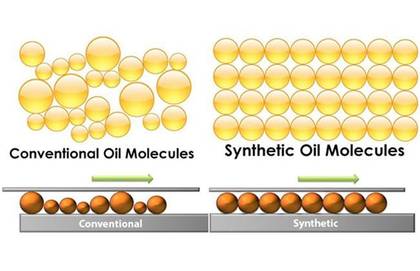
Synthetic oils are man-made with uniform molecules, while conventional oils come from natural crude oil.
Which Oil Type Lasts Longer In An Engine?
Synthetic oils last longer because they resist breaking down under heat and stress better than conventional oils.
Is Synthetic Oil Better For Fuel Efficiency?
Yes, synthetic oil reduces friction inside the engine, which can improve fuel efficiency slightly.
Can I Switch From Conventional To Synthetic Oil Easily?
Yes, you can switch anytime; synthetic oils work well in engines using conventional oil before.
Are Synthetic Oils More Expensive Than Conventional Oils?
Synthetic oils cost more upfront but often save money by lasting longer and protecting engines better.
Conclusion
Choosing between synthetic and conventional oils depends on your needs. Synthetic oil lasts longer and protects better in extreme heat. Conventional oil costs less and works fine for regular driving. Think about your car’s age and how you drive. Regular oil changes keep your engine healthy.
Knowing these differences helps you pick the right oil easily. Keep your engine running smoothly by using the oil that fits your lifestyle best. Simple choices can save money and improve car performance.