

Last Updated on June 17, 2026
Imagine never having to worry about flat tires again. What if your vehicle’s tires could repair themselves, last longer, and offer a smoother ride?
The future of airless tires promises exactly that—and much more. If you care about safety, convenience, and cutting-edge technology, this innovation could change how you drive forever. Keep reading to discover how airless tires are set to revolutionize your daily journeys and what it means for you behind the wheel.
Credit: www.equinoxevforum.com
Airless Tire Technology
Airless tires do not use air to hold their shape. They use special designs and materials to support the vehicle.
This technology aims to reduce flat tires and improve tire life. It is a new way of thinking about tires.
Design And Materials
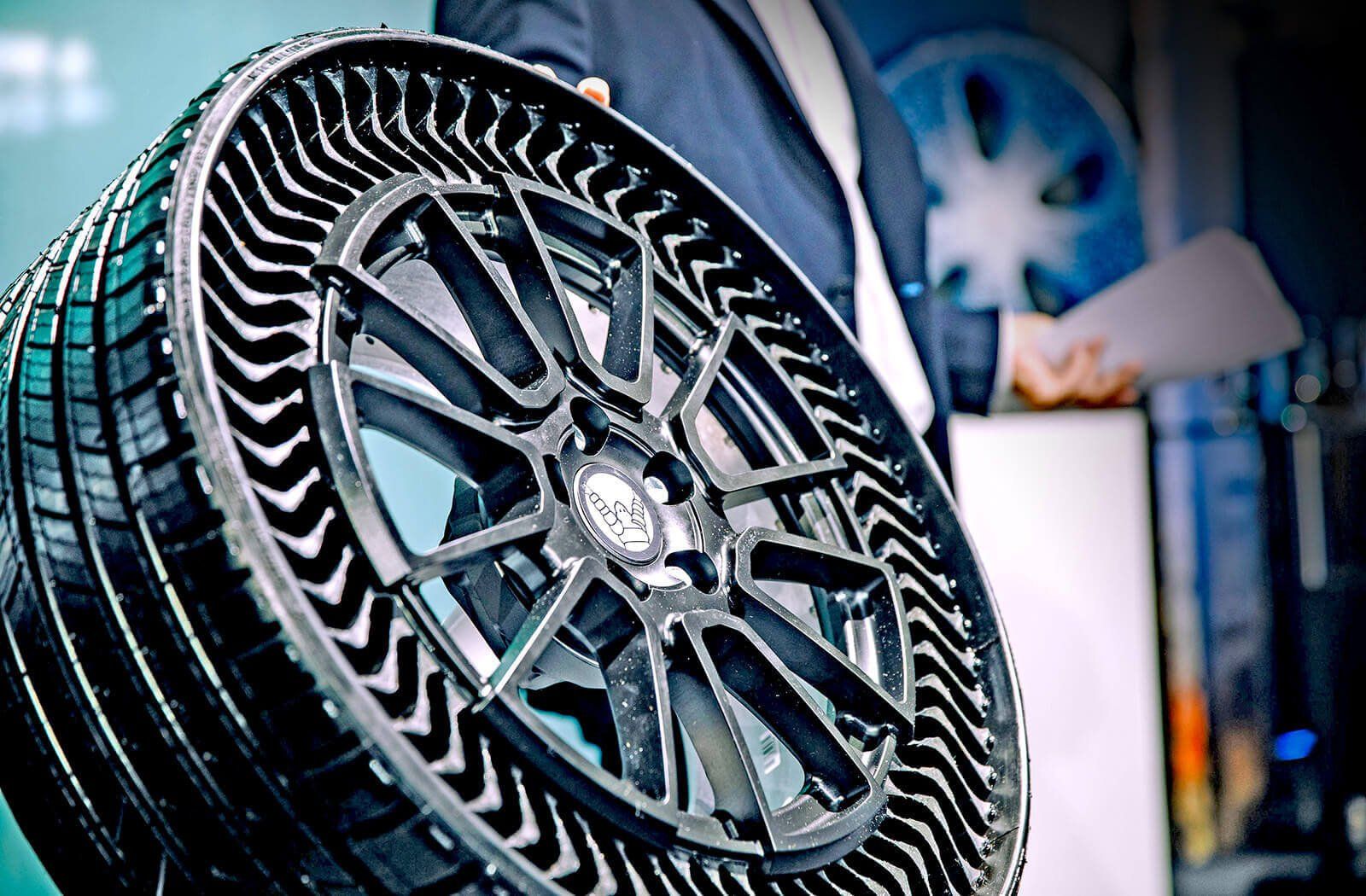
Airless tires have a unique design that replaces air pressure. They use strong spokes or flexible structures inside.
Materials like rubber and plastic composites make these tires tough and flexible. They absorb shocks from the road well.
- Spoked or honeycomb structures support the tire shape
- Durable rubber covers protect the tire surface
- Flexible materials allow smooth movement
How Airless Tires Work
Airless tires use their structure to hold weight and absorb bumps. They do not need air pressure inside.
The flexible spokes bend slightly when the tire rolls. This action reduces vibrations and keeps a smooth ride.
- The tire shape stays firm without air
- Spokes or structures absorb road shocks
- No risk of flats or air leaks
Credit: www.blackcircles.ca
Benefits For Mobility
Airless tires are changing how we think about vehicle mobility. They offer new benefits that help drivers and passengers.
This technology improves safety and reduces maintenance needs. It supports more reliable travel on many surfaces.
Enhanced Durability
Airless tires last longer because they do not puncture or lose air. This means fewer flat tires and repairs.
- Resist punctures from nails and sharp objects
- Withstand rough road conditions without damage
- Maintain shape and performance over time
- Reduce the need for frequent tire replacements
Improved Ride Comfort
Airless tires provide a smooth and stable ride. Their design helps absorb shocks and vibrations better than traditional tires.
| Comfort Feature | Benefit |
| Flexible spokes | Absorb road bumps smoothly |
| Consistent pressure | Ensure even support across the tire |
| Reduced vibration | Lower noise and better passenger comfort |
Safety Advantages
Airless tires offer many safety benefits for drivers. They change how tires handle common problems.
These tires focus on reducing risks linked to traditional tires. They help keep vehicles stable and safe.
Puncture Resistance
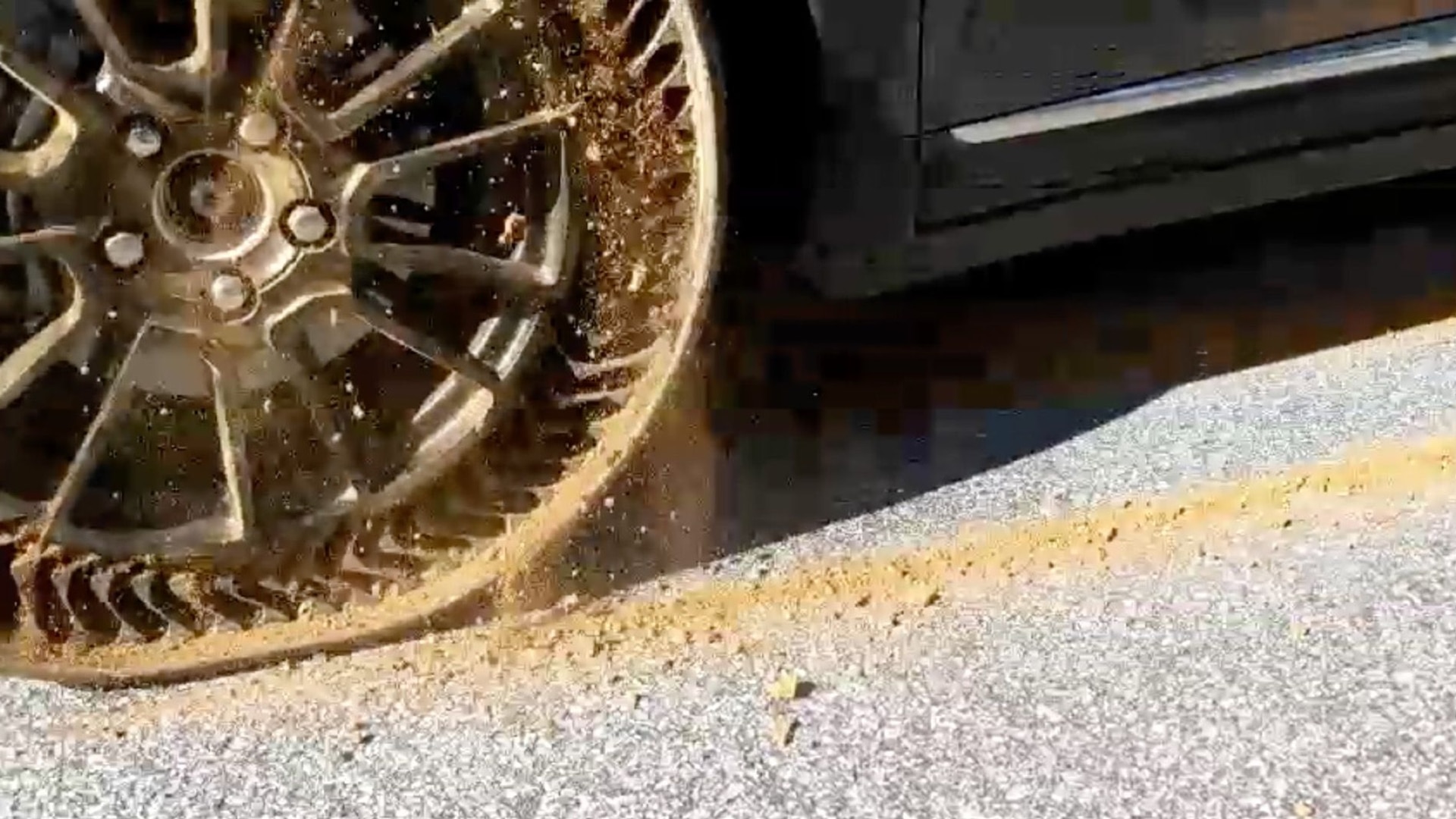
Airless tires do not use air, so they cannot go flat. This removes the risk of sudden tire failure from punctures.
Drivers can avoid accidents caused by blowouts or rapid air loss. This makes road travel safer for everyone.
- No air means no flats or blowouts
- Less chance of losing control on the road
- Reduces emergency stops for tire changes
Consistent Performance
Airless tires maintain steady pressure and shape. This helps vehicles handle better in all conditions.
They provide reliable grip and balance, which improves safety. Drivers can trust their tires on wet or rough roads.
- Stable tire shape for even road contact
- Predictable handling in different weather
- Better control reduces accident risk
Credit: www.greencarreports.com
Challenges And Future Trends
Airless tires offer a new way to improve vehicle safety and reduce flats. These tires do not use air, so they cannot go flat.
Yet, airless tires face some challenges. At the same time, new ideas are making them better and more useful.
Current Limitations
Airless tires still have problems that slow their use. One major issue is ride comfort. They often feel harder and less smooth than regular tires.
Another challenge is weight. Airless tires can be heavier, which affects fuel efficiency. Also, they may wear out faster under certain conditions.
- Less shock absorption causes a rougher ride
- Heavier weight leads to lower fuel economy
- Limited speed and load ratings compared to air tires
- Higher production costs
- Compatibility issues with some vehicles
Innovations On The Horizon
Researchers work on new materials and designs to fix airless tire issues. Flexible polymers and smart structures help improve comfort and durability.
| Innovation | Benefit |
| Flexible polymer spokes | Better shock absorption |
| Lightweight composites | Reduced tire weight |
| Self-healing materials | Longer tire life |
| Smart sensors | Real-time tire condition monitoring |
These advances may help airless tires match or beat air tires in many ways. They could become common on cars, bikes, and trucks soon.
Frequently Asked Questions
What Are Airless Tires And How Do They Work?
Airless tires use solid or flexible materials instead of air to support weight and absorb shocks.
Are Airless Tires Better Than Traditional Tires?
They resist punctures and need less maintenance but may offer a different ride feel.
What Vehicles Can Use Airless Tires?
Bicycles, cars, trucks, and even heavy machinery can be equipped with airless tires.
How Long Do Airless Tires Typically Last?
Airless tires usually last longer since they don’t suffer from air leaks or flats.
What Challenges Do Airless Tires Face In The Future?
Improving comfort, noise levels, and manufacturing costs remain key challenges for airless tires.
Conclusion
Airless tires will change how we drive and maintain vehicles. They offer fewer flats and less maintenance. This means safer and smoother rides for everyone. Many companies work to improve their design and strength. As technology grows, airless tires may become common on roads.
We should watch this space closely. The future holds exciting possibilities for airless tire use. This innovation could make driving easier and more reliable soon.