

Last Updated on June 17, 2026
Have you ever wondered what keeps your car running smoothly and safely without you even noticing? The secret lies in tiny devices called automotive sensors.
These small but powerful components constantly monitor your vehicle’s performance and environment, helping your car make smart decisions in real time. Understanding how these sensors work can give you a clearer picture of what’s happening under the hood and why your car behaves the way it does.
Keep reading to discover how these hidden heroes protect you, improve your ride, and keep your vehicle in top shape.
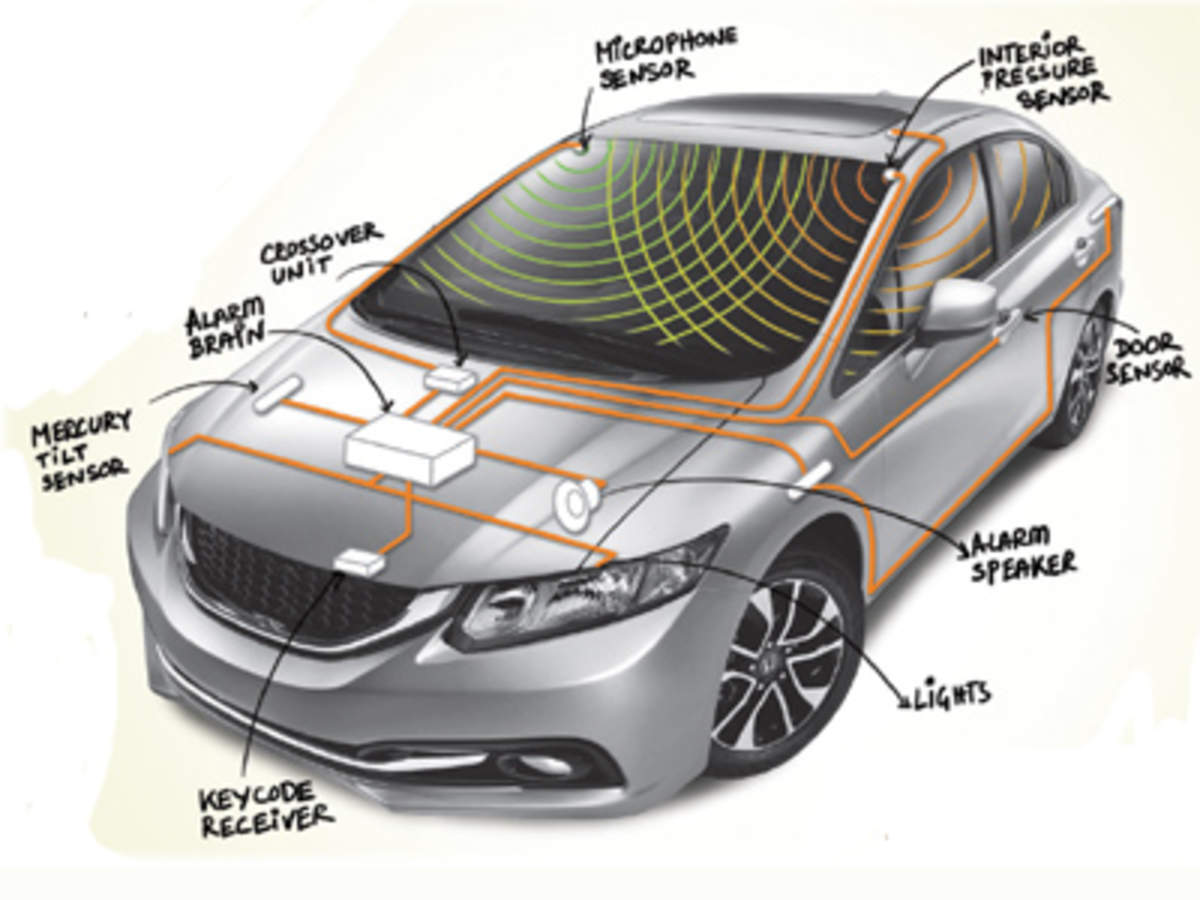
Credit: m.economictimes.com
Types Of Automotive Sensors
Automotive sensors collect data to help vehicles run smoothly. They measure different conditions inside and outside the car.
These sensors send information to the car’s computer system. This helps control engine, safety, and comfort features.
Temperature Sensors
Temperature sensors detect heat levels in parts like the engine and cabin. They make sure the engine does not overheat and keep passengers comfortable.
Pressure Sensors
Pressure sensors measure the force of gases or liquids. They check tire pressure and monitor fuel and oil systems to keep the car safe and efficient.
Proximity Sensors
Proximity sensors detect objects near the vehicle. They help with parking and avoid collisions by alerting the driver or stopping the car automatically.
- Ultrasonic sensors use sound waves to detect objects.
- Infrared sensors measure heat signatures nearby.
- Capacitive sensors sense touch or close contact.
Speed Sensors
Speed sensors measure how fast the wheels or the vehicle are moving. They provide data to systems like cruise control and anti-lock brakes.
| Type | Function | Example |
| Wheel Speed Sensor | Measures wheel rotation speed | Anti-lock braking system (ABS) |
| Vehicle Speed Sensor | Measures overall vehicle speed | Speedometer and cruise control |

Credit: alexcar.com
Sensor Integration In Vehicles
Modern vehicles use many sensors to improve how they work. These sensors collect data and send it to the vehicle’s systems. This helps the car run better and keeps passengers safe.
Sensors are found in many parts of a vehicle. They connect to different systems to control engine, safety, and entertainment features. This integration makes driving easier and more comfortable.
Engine Management Systems
Engine sensors monitor parts like air, fuel, and temperature. They send information to the engine control unit (ECU). The ECU adjusts the engine to run smoothly and use fuel well.
Common sensors in engine management include oxygen sensors, temperature sensors, and throttle position sensors. They help reduce pollution and improve power.
- Oxygen sensors check air-fuel mixture
- Temperature sensors monitor engine heat
- Throttle sensors track pedal position
Safety And Driver Assistance
Sensors help keep drivers and passengers safe. They detect obstacles, monitor speed, and check road conditions. This allows the car to warn the driver or take action if needed.
Systems like anti-lock brakes (ABS), lane departure warning, and parking assist rely on many sensors. These sensors include radar, cameras, and ultrasonic sensors.
- Radar sensors detect vehicles and objects
- Cameras read signs and lane markings
- Ultrasonic sensors help with parking
Infotainment And Connectivity
Infotainment systems use sensors to improve the user experience. Sensors detect touch, light, and voice commands. This helps control music, navigation, and phone calls.
Connectivity sensors also track vehicle location and status. They allow apps to update and share information with drivers and service centers.
- Touch sensors respond to screen presses
- Light sensors adjust screen brightness
- GPS sensors provide location data
Data Processing And Communication
Automotive sensors collect data about a vehicle’s condition and surroundings. This data must be processed and sent to other parts of the car for action.
Understanding how data moves and changes inside a vehicle helps explain how sensors support safety and performance.
Signal Conversion
Sensors detect physical changes like temperature, pressure, or speed. They convert these changes into electrical signals.
The signals can be analog or digital. Analog signals are continuous, while digital signals use discrete steps.
- Analog signals need conversion to digital for computers.
- Digital signals are easier to process and transmit.
- Converters inside the sensor or control unit handle this change.
Real-time Data Analysis
The vehicle’s computer analyzes sensor data as it arrives. This analysis happens instantly to keep the car safe and efficient.
Real-time analysis helps the car adjust engine settings, brake timing, and more. Quick decisions reduce accidents and improve fuel economy.
Vehicle Network Protocols
Cars use special communication rules called protocols to share data between sensors and computers.
| Protocol | Purpose | Speed |
| CAN (Controller Area Network) | Connects sensors and control units | Up to 1 Mbps |
| LIN (Local Interconnect Network) | Links simple devices like switches | Up to 20 Kbps |
| FlexRay | Handles high-speed communication for safety | Up to 10 Mbps |
| Ethernet | Supports advanced data and multimedia | Up to 1000 Mbps |
Future Trends In Sensor Technology
Automotive sensors are changing fast. They help cars sense their environment. New trends will make sensors smarter and safer.
These sensors improve driving and vehicle safety. Future technology will bring better accuracy and faster response.
Advanced Driver Assistance Systems
Advanced Driver Assistance Systems (ADAS) use sensors to help drivers. They warn about dangers and help with parking.
Future sensors in ADAS will detect objects more clearly. They will work better in bad weather and low light.
- Improved radar and lidar sensors for better distance detection
- High-resolution cameras for clearer images
- Ultrasonic sensors with longer range
Sensor Fusion
Sensor fusion means combining data from many sensors. This helps cars understand their surroundings better.
Future sensor fusion will use faster computers. They will merge data quickly for real-time decisions.
- Combining camera, radar, and lidar data
- Reducing errors by cross-checking sensor inputs
- Providing a complete view of the environment
Impact Of Ai And Machine Learning
AI and machine learning teach cars to learn from sensor data. This helps improve accuracy over time.
Future sensors will use AI to spot patterns and predict problems. This will make driving safer and smoother.
- AI improves object recognition in sensors
- Machine learning adapts sensors to new conditions
- Faster processing of large sensor data

Credit: www.youtube.com
Frequently Asked Questions
What Are Automotive Sensors Used For In Vehicles?
Automotive sensors monitor engine and vehicle systems to improve safety and performance.
How Do Automotive Sensors Detect Changes In The Environment?
They convert physical signals like temperature or pressure into electrical signals.
Which Types Of Sensors Are Most Common In Cars?
Common types include oxygen, temperature, speed, and pressure sensors.
How Do Sensors Help Improve Fuel Efficiency?
Sensors optimize engine settings to use fuel more efficiently.
Can Faulty Sensors Affect Car Performance?
Yes, bad sensors can cause poor engine performance and increase emissions.
Conclusion
Automotive sensors help cars work safely and smoothly. They collect important data from the car’s parts. This data guides the vehicle’s systems to act fast and correctly. Sensors monitor things like speed, temperature, and pressure. They help prevent accidents and improve fuel efficiency.
Knowing how these sensors work gives you a better view of your car. Cars rely on sensors more every day. Understanding them makes driving feel safer and smarter. Simple parts, big impact. Sensors keep your car running well.