

Last Updated on June 17, 2026
Have you ever wondered how the outside of your car protects you during a crash? The design of a car’s exterior isn’t just about looking good—it’s carefully crafted to keep you safe.
From the shape of the bumper to the materials used in the body, every detail matters when it comes to absorbing impact and reducing injury. You’ll discover the smart engineering behind car exteriors that could make all the difference in an accident.
Keep reading to learn how your car’s outer shell is working hard to protect you every time you hit the road.
Credit: www.randrmagonline.com
Crash Safety Goals
Car exteriors are designed to keep people safe during crashes. The main goals focus on reducing injury risk.
Designers use special features to lower forces and protect passengers inside the car.
Minimizing Impact Forces
Car bodies absorb and spread out crash forces. This lowers the energy that reaches the passengers.
- Crumple zones deform to absorb energy
- Strong frames direct forces away from occupants
- Materials like high-strength steel improve resistance
- Front and rear structures are designed to reduce impact
- Side impact beams protect against side collisions
Protecting Occupants
The inside of the car works with the exterior to keep people safe. Safety features reduce injury risk.
| Safety Feature | Purpose | Example |
| Seat belts | Hold passengers in place | Pre-tensioners tighten belts in a crash |
| Airbags | Cushion impact and reduce head injuries | Front, side, and curtain airbags |
| Interior padding | Soften hard surfaces inside the car | Dashboard and door panels |
| Head restraints | Prevent neck injuries | Adjustable headrests |
Credit: www.cars.com
Materials Used
Car exteriors use strong materials to protect passengers during crashes. These materials help absorb and spread impact forces. The choice of material affects the car’s safety and weight.
Two main materials are high-strength steel and aluminum with composites. Each has unique features that improve crash safety in different ways.
High-strength Steel
High-strength steel is a popular choice for car frames and panels. It is much stronger than regular steel. This strength helps keep the car’s shape during a crash.
- Offers excellent resistance to bending and breaking
- Helps maintain passenger space in collisions
- Cost-effective and widely available
- Can be formed into complex shapes for better crash energy management
Aluminum And Composites
Aluminum and composite materials reduce the car’s weight while keeping strength. Lighter cars can stop faster and handle better, which helps avoid accidents.
| Material | Key Benefit | Use in Cars |
| Aluminum | Lightweight and strong | Body panels, engine parts |
| Carbon Fiber Composites | Very strong and light | High-end car frames, bumpers |
| Glass Fiber Composites | Good strength and affordable | Interior parts, some exterior panels |
Structural Features
Car exteriors have special designs to protect passengers during crashes. These designs use strong and smart parts that absorb and spread impact forces.
Two main features help keep cars safe: crumple zones and reinforced frames. Each plays a key role in reducing injury risk.
Crumple Zones
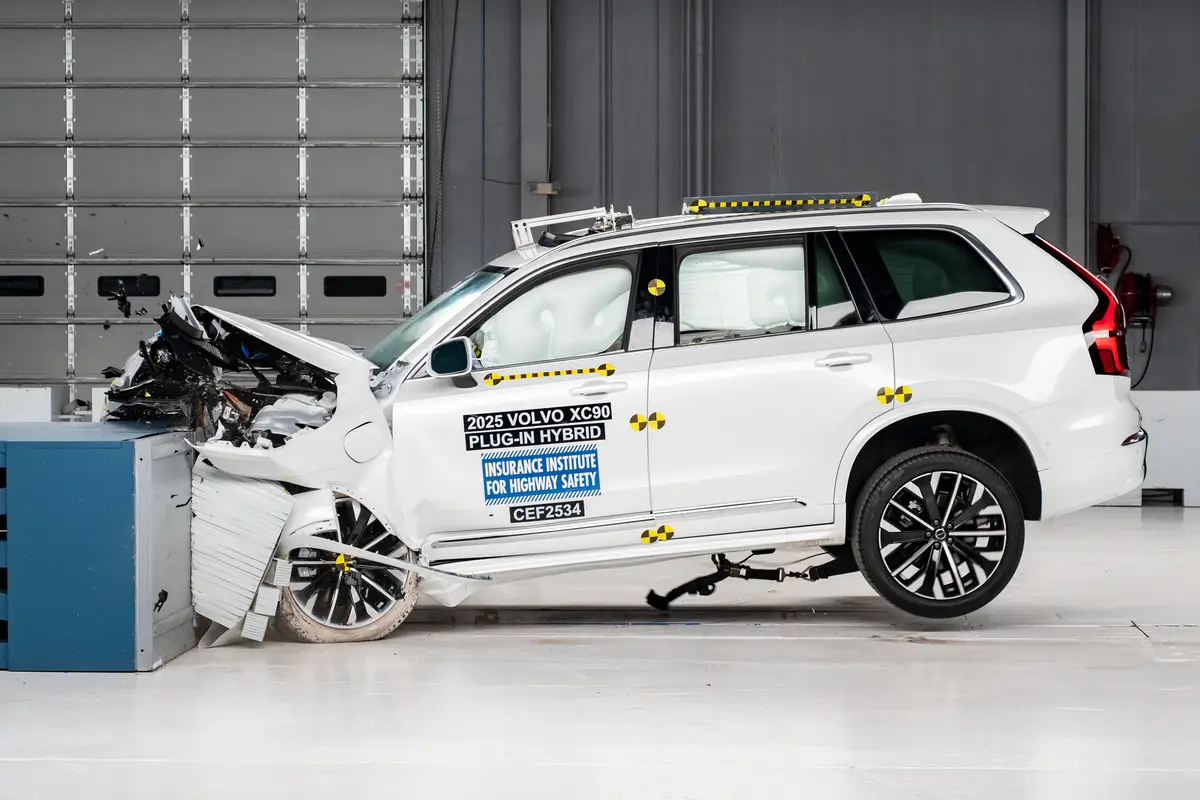
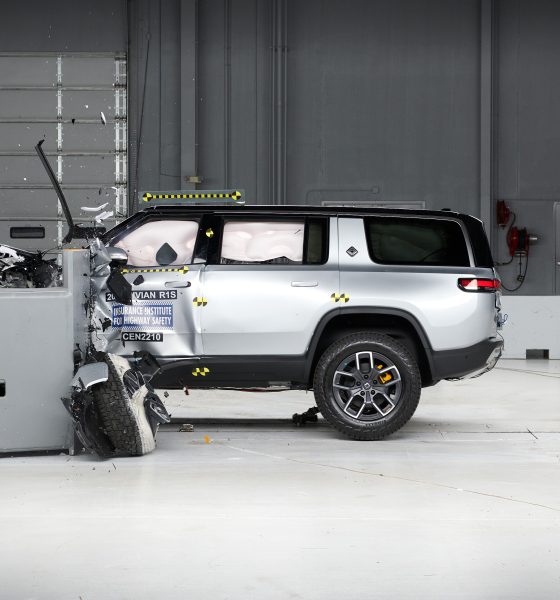
Crumple zones are parts of a car that bend and crush in a crash. They lower the force that reaches the passengers by absorbing energy.
- Located at front and rear of the car
- Made from materials that deform on impact
- Help reduce damage to the passenger cabin
- Protect pedestrians by controlling impact energy
Reinforced Frames
Reinforced frames are strong structures inside the car body. They keep the passenger area from collapsing during a crash.
| Frame Part | Function | Material |
| Side Impact Beams | Protect against side crashes | High-strength steel |
| Roof Rails | Prevent roof from caving in | Aluminum alloy |
| Floor Panels | Support weight and absorb shocks | Reinforced steel |
Advanced Technologies
Car exteriors use advanced technologies to keep passengers safe. Designs focus on reducing crash impact and improving response.
Engineers use smart materials and systems that work together during a crash. These technologies protect both the car and its passengers.
Energy-absorbing Components
Energy-absorbing parts reduce the force of a crash. They help control how the car’s exterior bends and breaks.
- Crash boxes that deform to absorb energy
- Foam inserts placed inside doors and bumpers
- High-strength steel frames that flex to spread impact
- Crumple zones designed to collapse safely
- Composite materials that absorb shock
Smart Sensors And Systems
Smart sensors detect crashes early and trigger safety measures. These systems act fast to protect passengers.
| Sensor Type | Function |
| Accelerometers | Measure sudden speed changes |
| Pressure Sensors | Detect impact force on the exterior |
| Gyroscopes | Monitor vehicle rotation during crashes |
| Proximity Sensors | Sense nearby obstacles before impact |
Credit: www.teslarati.com
Frequently Asked Questions
How Do Car Exteriors Protect Passengers In A Crash?
Car exteriors absorb and spread impact forces to reduce injury risks to passengers inside.
What Materials Are Used In Crash-safe Car Exteriors?
Strong metals like steel and aluminum, plus energy-absorbing plastics, help protect during crashes.
How Does Car Design Reduce Damage In A Collision?
Shapes and crumple zones are made to absorb impact and protect the cabin space.
Why Are Crumple Zones Important In Car Safety?
They bend in a crash to absorb energy, lowering the force on passengers.
How Do Safety Standards Affect Car Exterior Design?
Designs must meet strict crash tests to ensure cars protect people well in accidents.
Conclusion
Car exteriors play a big role in keeping drivers safe. Designers use strong materials to absorb impact during crashes. Shapes and structures help reduce damage to people inside. Safety features like crumple zones protect vital areas. These designs save lives and lower injuries.
Choosing a car with good crash safety makes sense. It gives peace of mind on the road. Understanding how exteriors work helps you appreciate car safety more. Every detail counts in protecting you and your passengers. Safety starts with smart design outside the car.