

Last Updated on June 17, 2026
Have you ever wondered how some cars pack so much power under the hood without drastically changing their size? The secret often lies in forced induction.
This clever technology boosts your engine’s performance in ways that feel almost like magic. If you want to know how forced induction can transform your ride, giving you more speed and thrill without replacing the entire engine, keep reading. By the end, you’ll understand exactly why it’s a game-changer for anyone serious about power.

Credit: www.enginelabs.com
Basics Of Forced Induction
Forced induction increases engine power by pushing more air inside. This helps the engine burn more fuel and create more power.
Engines need air and fuel to work. Forced induction systems make sure the engine gets extra air to boost performance.
Types Of Forced Induction Systems
There are two main types of forced induction systems. Each uses a different method to supply air to the engine.
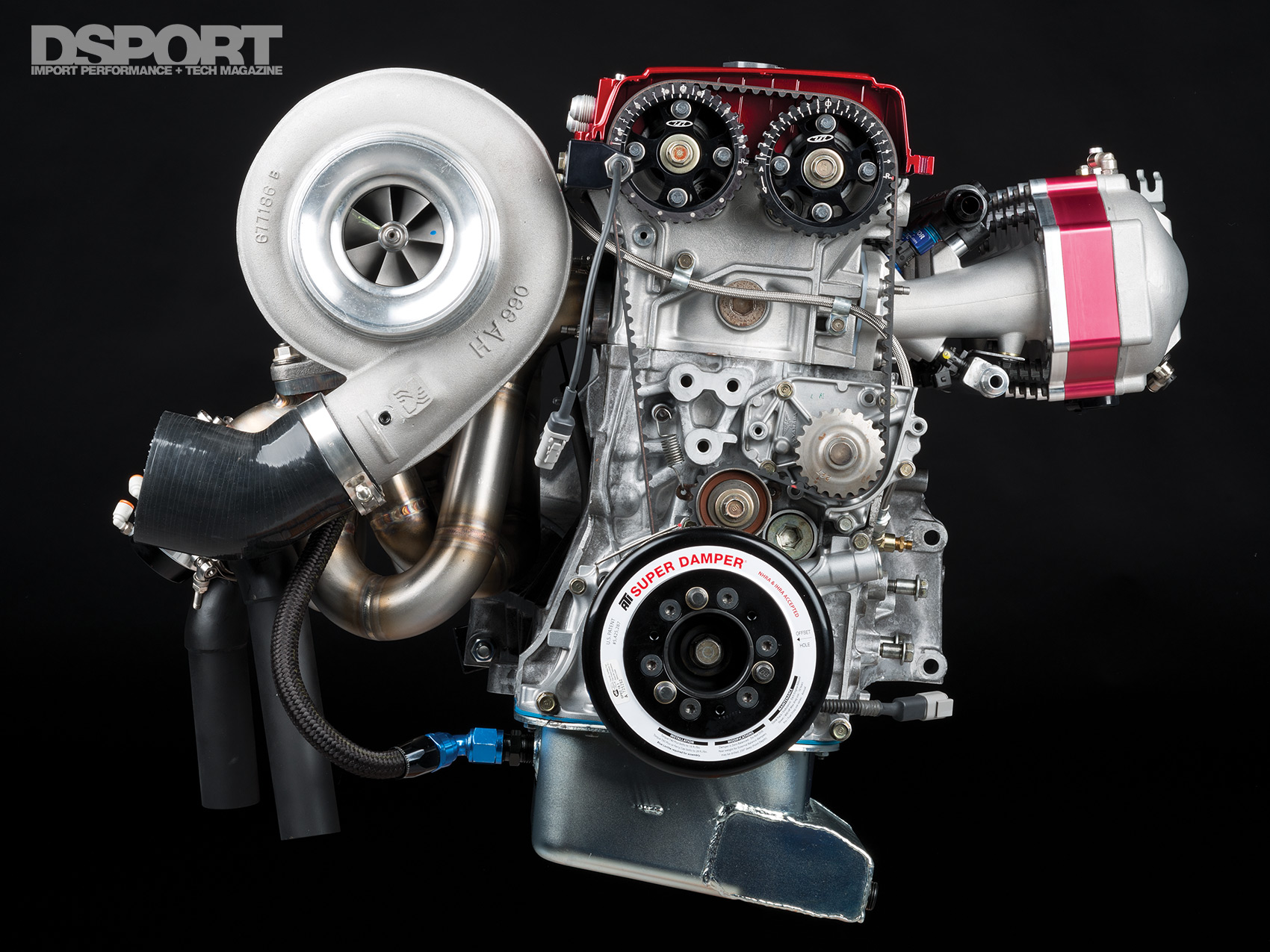
- Turbocharger:Uses exhaust gases to spin a turbine that pushes air into the engine.
- Supercharger:Connected directly to the engine and powered by the crankshaft to force air in.
How Forced Induction Works
Forced induction raises the air pressure inside the engine’s cylinders. This gives more oxygen for fuel to burn.
| Process Step | What Happens |
| Air Intake | Air enters the compressor or turbine. |
| Compression | Air pressure increases before entering the engine. |
| Combustion | More air mixes with fuel for a stronger explosion. |
| Exhaust | Gases leave, sometimes powering the turbocharger. |
Credit: dsportmag.com
Impact On Engine Performance
Forced induction helps engines take in more air. This extra air improves engine power and efficiency.
The process changes how the engine burns fuel and increases overall output.
Increasing Air Intake And Combustion
Forced induction uses a turbocharger or supercharger to push more air into the engine. This means more oxygen is available for combustion. With more oxygen, the engine can burn more fuel. This boosts the combustion process and creates more power.
- More air enters the cylinders
- Fuel burns more completely
- Combustion temperature rises
- Engine runs more efficiently
Effect On Horsepower And Torque
Horsepower and torque both rise when forced induction is used. Horsepower measures the engine’s power output. Torque measures the twisting force the engine produces. Both increase because of better air and fuel mix.
| Engine Output | Effect of Forced Induction |
| Horsepower | Increases due to more combustion energy |
| Torque | Grows because of higher cylinder pressure |
| Throttle Response | Improves with faster air delivery |
Common Forced Induction Devices
Forced induction devices help engines produce more power by increasing air intake. They push extra air into the engine cylinders. This allows the engine to burn more fuel and create more power.
Two common types of forced induction devices are turbochargers and superchargers. Each works differently but aims to boost engine performance.
Turbochargers
Turbochargers use exhaust gas to spin a turbine. This turbine drives a compressor that forces more air into the engine. Turbochargers improve power without using extra engine energy.
- Uses exhaust gas energy
- Increases air pressure in the engine
- Improves fuel efficiency
- Common in smaller engines and diesel cars
Superchargers
Superchargers are driven directly by the engine through a belt or gears. They push more air into the engine instantly. This gives quick power boost but uses some engine energy to run.
| Type | Power Source | Benefit |
| Roots | Engine belt | Quick boost at low RPM |
| Centri-fugal | Engine belt | Better high RPM performance |
| Twin-screw | Engine belt | Good across all RPM ranges |

Credit: www.enginelabs.com
Benefits And Considerations
Forced induction helps increase engine power by pushing more air into the engine.
This method improves performance but also needs careful attention to engine health.
Instant Power Boost
Forced induction adds more oxygen to the engine’s combustion chamber.
- More air means more fuel can burn.
- Burning more fuel creates extra power.
- Turbochargers and superchargers are common devices for this.
- They give quick acceleration and better overall engine output.
Potential Engine Stress And Maintenance
Adding forced induction can increase stress on engine parts.
| Consideration | Description |
| Heat | More power creates more engine heat to manage. |
| Wear | Parts may wear faster due to higher pressure and speed. |
| Maintenance | Regular oil changes and inspections are important. |
| Fuel | Higher quality fuel may be needed for best results. |
Frequently Asked Questions
What Is Forced Induction In Car Engines?
Forced induction uses a turbocharger or supercharger to push more air into the engine, boosting power.
How Does Forced Induction Increase Engine Power?
It forces extra air into the engine, allowing more fuel to burn and creating more power.
What Are The Main Types Of Forced Induction?
Turbochargers and superchargers are the two main types used to increase engine power.
Does Forced Induction Affect Fuel Efficiency?
Forced induction can improve fuel efficiency by making the engine work more effectively.
Can Forced Induction Damage My Engine?
If not properly maintained, forced induction can cause engine stress or damage over time.
Conclusion
Forced induction helps engines breathe better and work harder. It pushes more air into the engine, letting it burn more fuel. This process creates extra power and improves performance. Many cars use turbochargers or superchargers for this reason. They make small engines feel much stronger.
Understanding how forced induction works can help you appreciate modern engines more. It’s a smart way to get more power without making engines bigger. Simple, effective, and widely used. That’s why forced induction stays popular in many vehicles today.