

If your engine is running hotter than usual or you notice strange noises from your cooling system, it might be time to bleed your coolant system. Air trapped inside can cause serious problems, but don’t worry—you can fix it yourself.
In this guide, you’ll learn exactly how to bleed a coolant system step-by-step, saving you time and money. Keep reading to make sure your engine stays cool and runs smoothly, no matter the conditions.
Signs Of Air In Coolant System
Air trapped in a coolant system can cause many problems. It stops the coolant from flowing properly. This affects the engine’s ability to stay cool.
Knowing the signs of air in the system helps you spot issues early. This guide explains common symptoms and how they affect engine performance.
Common Symptoms
Air in the coolant system creates bubbles and noise. These symptoms warn that the system needs bleeding. Watch for these signs:
- Gurgling sounds from the radiator or heater core
- Coolant level dropping quickly without leaks
- Overheating engine despite normal coolant level
- Heater not blowing warm air
- Dashboard temperature gauge fluctuates
Impact On Engine Performance
Air pockets block coolant flow. This causes hot spots in the engine. It can lead to poor performance and damage over time.
| Effect | Description |
| Engine Overheating | Air stops coolant flow, causing high engine temperatures. |
| Reduced Heater Output | Air in heater core lowers heat transfer to cabin. |
| Coolant Circulation Issues | Air pockets cause uneven coolant movement. |
| Potential Engine Damage | Hot spots can damage engine parts and gaskets. |
Credit: www.bimmerfest.com
Tools Needed For Bleeding
Bleeding a coolant system removes trapped air to keep your engine cool. Using the right tools makes this job easier and safer.
This guide lists the main tools you need and important safety tips to follow before you start.
Essential Equipment
- Coolant bleed kit or funnel
- Wrench or socket set for opening bleed valves
- Clean container to catch old coolant
- Gloves to protect your hands
- Rags or paper towels for spills
- Flashlight to see tight spaces
- Owner’s manual for specific vehicle instructions
Safety Precautions
| Precaution | Reason |
| Wear gloves | Protect skin from coolant chemicals |
| Work on a cool engine | Prevent burns from hot coolant |
| Use eye protection | Avoid splashes in eyes |
| Dispose of coolant properly | Protect the environment |
| Keep children and pets away | Prevent accidental poisoning |
Step-by-step Bleeding Process
Bleeding a coolant system removes trapped air. Air pockets can cause overheating and reduce efficiency. Follow each step carefully for best results.
This guide covers preparation, bleeding methods, and final checks. Make sure to work safely and use the right tools.
Preparation Steps
Start by preparing your vehicle and workspace. Proper preparation makes bleeding easier and safer.
- Park the vehicle on a flat surface and turn off the engine.
- Allow the engine to cool down completely to avoid burns.
- Open the hood and locate the radiator cap and bleed valve.
- Wear gloves and safety glasses to protect yourself.
- Have the correct coolant and a funnel ready for refilling.
- Place a drain pan under the radiator to catch any spilled fluid.
Bleeding Techniques
Use the right technique to remove air from the coolant system. Different vehicles may have specific requirements.
- Remove the radiator cap slowly to release any pressure.
- Start the engine and let it run until it reaches normal operating temperature.
- Turn the heater to the maximum heat setting to open the heater core valve.
- Open the bleed valve or petcock to let air escape.
- Watch for bubbles and wait until coolant flows steadily without air bubbles.
- Top up the coolant reservoir to the recommended level.
- Close the bleed valve securely and replace the radiator cap.
Final Checks
Check the system to confirm no air remains and the coolant level is correct.
| Check Item | What to Look For | Action if Problem Found |
| Coolant Level | At or near max fill line | Add coolant as needed |
| Temperature Gauge | Stable, no overheating | Stop engine and inspect cooling system |
| Leaks | No fluid leaks around hoses and valves | Tighten clamps or replace damaged parts |
| Air Bubbles | None in radiator or reservoir | Repeat bleeding process |
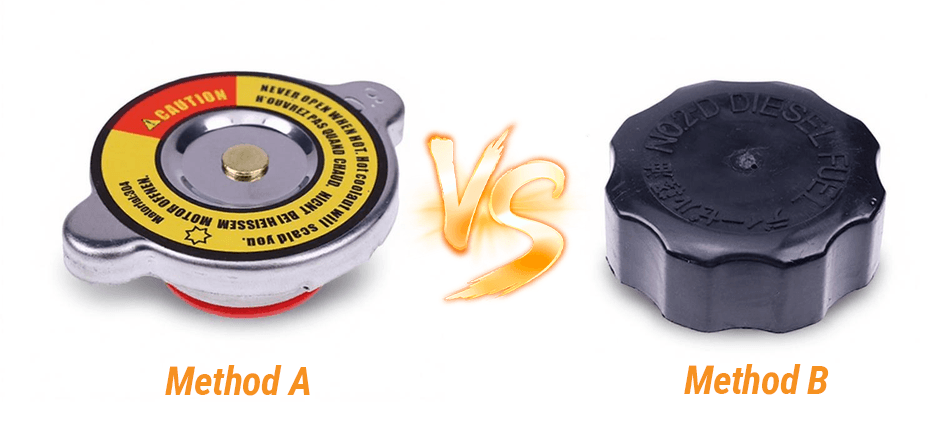
Credit: www.fridayparts.com

Credit: www.youtube.com
Frequently Asked Questions
How Do I Know When To Bleed My Coolant System?
Air bubbles or overheating engine often show it’s time to bleed the coolant system.
What Tools Are Needed To Bleed A Coolant System?
You need a radiator cap, coolant, a container, and sometimes a bleed valve tool.
Can I Bleed The Coolant System Without Opening The Radiator Cap?
No, you must open the radiator cap or bleed valve to release trapped air.
How Long Does It Take To Bleed A Coolant System Properly?
Usually, it takes about 10 to 20 minutes to remove all air from the system.
What Happens If I Don’t Bleed My Coolant System?
Air pockets can cause overheating and poor engine performance if not removed timely.
Conclusion
Bleeding a coolant system keeps your engine running cool and smooth. Air bubbles can cause overheating or damage. Follow the steps carefully and take your time. Check for leaks and refill coolant as needed. Regular maintenance helps avoid costly repairs later.
Remember, a well-bleeded system means better performance and longer engine life. Simple care goes a long way. Keep your vehicle healthy with this easy task. You’ll save money and stress in the long run.