

Are you struggling with a dead 12V battery and wondering how to bring it back to life safely and quickly? Knowing how to charge your 12V battery the right way can save you time, money, and frustration.
Whether it’s for your car, motorcycle, or other devices, getting the charging process right is crucial to keep your battery healthy and ready to power your needs. In this guide, you’ll discover simple, step-by-step tips that anyone can follow—even if you’re not an expert.
Keep reading, and you’ll learn exactly what to do to charge your 12V battery effectively and avoid common mistakes that could damage it. Your battery’s best performance starts here.
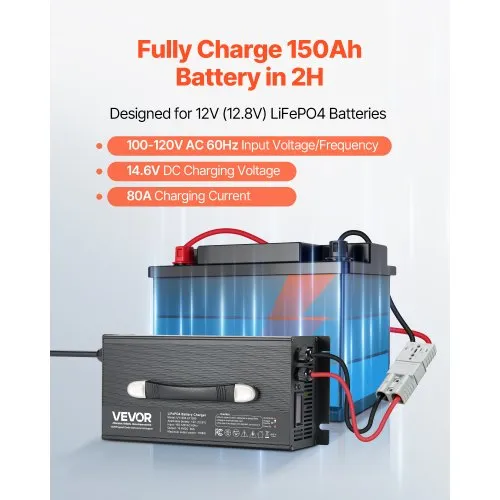
Credit: www.vevor.ca
Choosing The Right Charger
Charging a 12V battery needs the correct charger. Using the right charger keeps the battery safe and lasts longer.
Different chargers work in different ways. Knowing what to choose helps you charge your battery well.
Types Of 12v Chargers
There are many types of chargers for 12V batteries. Each type fits different needs and battery types.
- Trickle Chargers: Provide a low, steady charge. Good for maintenance.
- Smart Chargers: Adjust charge based on battery condition.
- Fast Chargers: Charge batteries quickly but need care.
- Solar Chargers: Use sunlight to charge outdoors.
Charger Specifications
Check charger specs to match your battery. The right specs keep charging safe and effective.
- Voltage: Must be 12 volts to match the battery.
- Amperage: Controls charge speed; higher amps charge faster.
- Charge Type: Constant or smart charging affects battery health.
- Battery Type Compatibility: Some chargers work only with certain battery types.
Safety Features To Look For
Safety features protect you and the battery during charging. Look for important safety options.
- Overcharge Protection: Stops charging when battery is full.
- Short Circuit Protection: Prevents damage from wiring errors.
- Reverse Polarity Protection: Stops damage if cables connect wrong.
- Temperature Control: Prevents overheating during charging.

Credit: www.grankia.com
Preparing The Battery For Charging
Charging a 12V battery safely starts with proper preparation. This helps the battery last longer and work well.
Before charging, check the battery condition, clean the terminals, and ensure good ventilation around it.
Inspecting The Battery Condition
Look for cracks, leaks, or bulges on the battery case. These signs mean the battery is damaged and may be unsafe to charge.
Check the battery’s fluid level if it is a wet cell type. Add distilled water if the level is low, but do not overfill.
Cleaning Battery Terminals
Dirty or corroded terminals can stop the charger from working properly. Clean them before connecting the charger.
- Disconnect the battery cables, starting with the negative (black) terminal.
- Use a wire brush or battery terminal cleaner to remove corrosion and dirt.
- Wipe the terminals with a clean cloth.
- Apply a thin layer of petroleum jelly to protect terminals from future corrosion.
- Reconnect the cables, starting with the positive (red) terminal.
Ensuring Proper Ventilation
Charging a battery releases gases that can be harmful or explosive. Good air flow is important to keep the area safe.
| Ventilation Tip | Reason |
|---|---|
| Charge battery outdoors or in a garage with open doors | Prevents gas buildup |
| Avoid enclosed spaces without air circulation | Reduces risk of explosion |
| Keep charger away from flammable materials | Improves safety |
| Use fans if indoor charging is necessary | Helps disperse gases |
Step-by-step Charging Process
Charging a 12V battery is simple if you follow the right steps carefully. This guide explains how to charge your battery safely and effectively.
Always use the correct charger and monitor the process to protect the battery and yourself.
Connecting The Charger Correctly
Proper connection of the charger to the battery is key to a safe charging process. Follow these points to connect it right.
- Turn off the charger before connecting.
- Connect the positive (red) clamp to the battery’s positive terminal.
- Connect the negative (black) clamp to the battery’s negative terminal.
- Make sure clamps are secure and do not touch each other.
- Place the charger on a dry, stable surface away from flammable materials.
Setting The Charging Mode
Select the right charging mode based on your battery type and condition. Most chargers have multiple settings.
| Mode | Description | Use For |
| Slow Charge | Charges battery gently over longer time | Deep cycle or old batteries |
| Fast Charge | Charges battery quickly | Emergency charging |
| Trickle Charge | Maintains full charge without overcharging | Battery storage |
Monitoring The Charging Progress
Keep an eye on the battery while charging to prevent damage or hazards. Check the charger and battery regularly.
- Look for indicator lights on the charger showing charging status.
- Feel the battery for overheating; it should be warm, not hot.
- Check voltage with a multimeter if you have one.
- Disconnect charger once the battery is fully charged.
- Store the charger and battery safely after use.
Tips For Safe And Efficient Charging
Charging a 12V battery needs care to keep it safe and last longer. Follow simple steps to charge it right.
Using the right tools and checking the battery often helps avoid damage. Safety is key when charging.
Avoiding Overcharging
Overcharging can damage the battery and reduce its life. Always watch the charger and battery during charging.
Use a charger with an automatic shut-off or timer. This stops charging when the battery is full.
- Check the charger’s settings before starting
- Do not leave the battery charging unattended for long
- Use a smart charger if possible
- Disconnect the charger once the battery is full
Handling Battery Acid Safely
Battery acid can harm your skin and eyes. Always handle the battery with care to avoid spills or leaks.
Wear gloves and goggles when charging or inspecting the battery. Keep the area well ventilated to avoid fumes.
- Wear protective gloves and safety glasses
- Keep a clean cloth nearby to wipe spills
- Do not smoke or use open flames near the battery
- Store battery acid away from children and pets
Storing The Battery After Charging
After charging, store the battery in a cool, dry place. Avoid extreme heat or cold to keep it healthy.
Keep the battery upright and clean. Check the charge level now and then if stored for a long time.
- Store in a ventilated area away from direct sunlight
- Keep the battery upright to prevent leaks
- Clean battery terminals before storage
- Recharge the battery every few months if unused

Credit: www.wattcycle.com
Frequently Asked Questions
How Long Does It Take To Charge A 12v Battery?
Charging time depends on battery size and charger power. Usually, it takes 4 to 12 hours.
What Type Of Charger Is Best For A 12v Battery?
A smart charger with automatic shutoff is safest and keeps the battery healthy.
Can I Charge A 12v Battery With A Car Charger?
Yes, using the car’s alternator while running can charge the battery slowly.
Is It Safe To Charge A 12v Battery Indoors?
Charging indoors is safe if the area is well-ventilated to avoid gas buildup.
How Do I Know When My 12v Battery Is Fully Charged?
The charger often shows a green light or stops charging automatically when full.
Conclusion
Charging a 12V battery is simple with the right steps. Always use a charger designed for 12V batteries. Connect the positive and negative terminals carefully. Keep an eye on the charging process for safety. Avoid overcharging to protect the battery’s life.
Regular charging helps your battery stay strong. With patience and care, your battery will work well longer. Follow these tips, and charging will be easy every time.