

Are you struggling to keep your camper battery charged and ready for your next adventure? Knowing how to charge your camper battery properly can save you from unexpected power failures and keep your trip smooth and worry-free.
In this guide, you’ll discover simple, effective ways to charge your camper battery safely and efficiently. Whether you’re a beginner or just need a quick refresher, this article will help you master the essentials and ensure your battery lasts longer.
Keep reading to learn the secrets to powering up your camper like a pro!
Credit: ipowerqueen.com
Types Of Camper Batteries
Choosing the right battery is important for your camper’s power needs. Different batteries work best for different uses.
Knowing the types helps you charge and maintain them properly. This keeps your battery healthy and lasting longer.
Lead-acid Batteries
Lead-acid batteries are the oldest type used in campers. They are heavy but cost less than others.
These batteries need regular water checks and careful charging. Overcharging can damage them quickly.
- Require maintenance by adding distilled water
- Use slow charging to avoid damage
- Good for short trips with lower power needs
Lithium-ion Batteries
Lithium-ion batteries are light and last longer than lead-acid types. They store more energy in less space.
They charge faster and need less maintenance. These batteries are more expensive but very efficient.
- Lightweight and compact design
- Fast charging with built-in protection
- Long lifespan and deep discharge capability
Agm And Gel Batteries
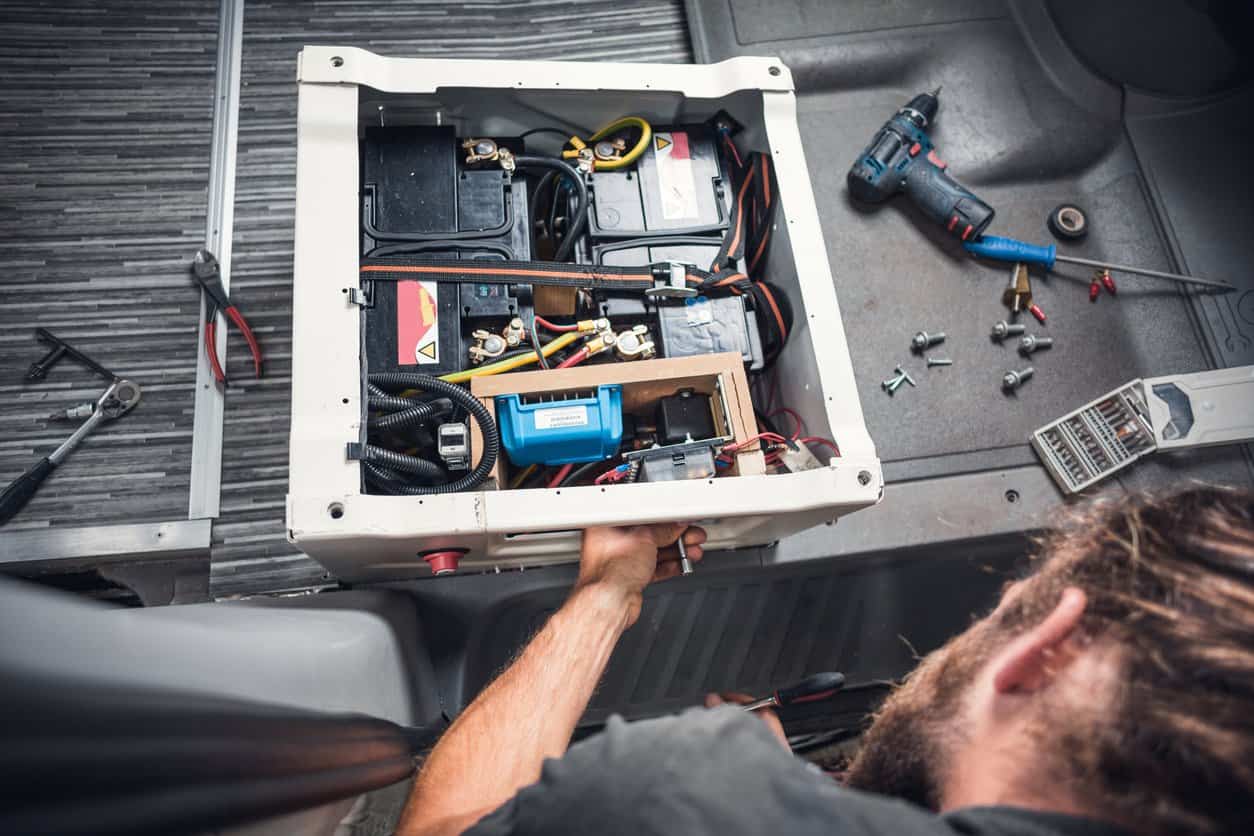
AGM and Gel batteries are types of sealed lead-acid batteries. They do not need water refills and are spill-proof.
AGM batteries handle high currents well. Gel batteries work better in hot or cold weather.
- Maintenance-free and sealed design
- AGM good for heavy use and quick bursts
- Gel better for extreme temperatures
Credit: outrig.com
Charging Methods
Keeping your camper battery charged is important for a smooth trip. There are several ways to charge it. Each method works well in different situations.
Understanding these methods helps you choose the best one for your camper. Let’s look at three common ways to charge your camper battery.
Using A Solar Panel
Solar panels use sunlight to charge your camper battery. They are quiet and eco-friendly. You just need to place the panel where it gets sunlight.
Solar charging works best on sunny days. It may take longer if the sun is weak or the panel is small. Make sure your solar panel matches your battery size.
- Place the panel in direct sunlight
- Use a charge controller to protect the battery
- Check panel output for best results
Charging With A Generator
A generator can charge your camper battery anywhere. It uses fuel to make electricity. This method works well if you have no sun or vehicle power.
Generators are loud and need fuel. Use them in well-ventilated areas. Connect the generator to your battery charger safely to avoid damage.
- Start the generator and let it run
- Connect the charger to the battery
- Turn on the charger to begin charging
- Monitor the battery voltage during charging
Vehicle Alternator Charging
Your vehicle’s alternator can charge the camper battery while driving. The alternator creates power as the engine runs. This method charges the battery on the go.
Use a proper wiring kit to connect the battery to the alternator. Avoid overcharging by using a voltage regulator. This method is fast and convenient during travel.
- Start your vehicle engine
- Connect battery via an isolator or relay
- Drive to let the alternator charge the battery
- Check battery levels regularly
Best Charging Practices
Charging your camper battery correctly helps it last longer and work better. Good habits prevent damage and keep your power steady.
Use the right charger and follow steps to protect your battery. This guide covers key points for safe and efficient charging.
Avoiding Overcharging
Overcharging can harm your camper battery and reduce its life. Stop charging once the battery is full.
Use a smart charger that automatically stops or lowers power when full. This prevents heat build-up and damage.
- Use chargers with automatic shutoff
- Check battery voltage regularly
- Disconnect charger after full charge
Maintaining Battery Health
Keep your camper battery clean and dry. Dirt and moisture can cause corrosion and lower battery performance.
Store the battery in a cool place away from heat. High temperatures can damage the battery cells.
- Clean terminals with a brush
- Apply a thin coat of petroleum jelly to terminals
- Store battery in a dry, cool area
Monitoring Charge Levels
Check your battery’s charge level often to avoid deep discharge. Low charge can damage the battery.
Use a voltmeter or battery monitor to track power. Keep the charge above 50% for longer life.
- Measure voltage regularly
- Recharge before battery drops below half
- Use a battery monitor for easy tracking
Troubleshooting Charging Issues
Charging a camper battery can sometimes be tricky. Problems can stop the battery from charging properly.
This guide helps you find and fix common charging issues. It makes your camper battery last longer.
Identifying Faulty Connections
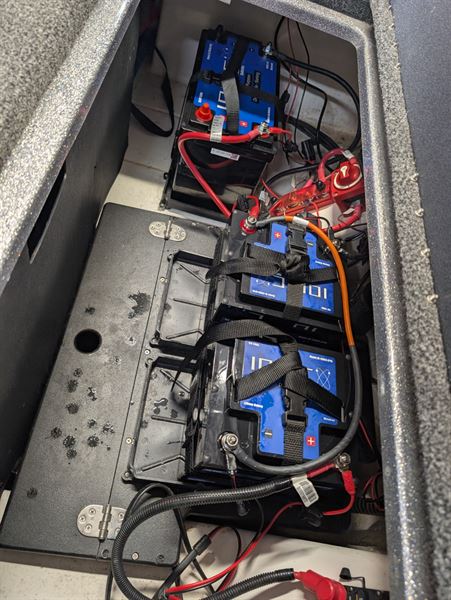
Loose or corroded connections can stop your battery from charging. Check the battery terminals and cables.
Look for dirt, rust, or broken wires. Clean or tighten them to improve the connection.
- Turn off the battery charger first
- Remove any corrosion with a wire brush
- Tighten all cable clamps firmly
- Replace damaged cables if needed
Dealing With Slow Charging
Slow charging means your battery takes too long to fill up. It may happen if the charger is weak.
Check the charger’s output and settings. Make sure it matches your battery type and size.
- Use a charger with the right voltage and amps
- Avoid charging in very cold or hot weather
- Inspect the battery for damage or wear
- Try charging with a different charger if possible
When To Replace The Battery
Batteries wear out after years of use. Replace it if it no longer holds a charge well.
Signs include fast power loss and swollen or cracked battery cases. Old batteries can be unsafe.
- Battery age over 3-5 years
- Battery voltage drops quickly
- Physical damage or leaks
- Repeated failure to charge fully
Credit: lithiumhub.com
Frequently Asked Questions
How Long Does It Take To Charge A Camper Battery?
Charging time depends on battery size and charger type. Usually, it takes 4 to 12 hours.
Can I Use A Car Charger For My Camper Battery?
Yes, a car charger can work but it may charge slowly and is not ideal for deep-cycle batteries.
What Is The Best Method To Charge A Camper Battery?
Using a smart charger or solar panel offers safe, efficient, and automatic charging for camper batteries.
How Often Should I Charge My Camper Battery?
Charge your battery after each use or at least once a month to keep it healthy and ready.
What Happens If I Overcharge My Camper Battery?
Overcharging can damage the battery, reduce its life, and cause overheating or leaks. Use a proper charger to avoid this.
Conclusion
Charging your camper battery keeps your adventures powered and safe. Choose the right charger for your battery type and size. Always follow safety steps to avoid damage or injury. Regularly check your battery’s charge level and condition. Simple care extends battery life and ensures reliable energy.
Enjoy your trips without worrying about power shortages. Stay prepared, stay charged, and make every journey smooth.