

If you own an RV, keeping your batteries charged is key to enjoying every trip without a hitch. But how do you charge RV batteries the right way?
Getting it wrong can lead to poor performance or even damage. You’ll discover simple, effective steps to charge your RV batteries safely and efficiently. Whether you’re a beginner or just need a refresher, you’ll learn how to extend your battery life and keep your RV powered up no matter where the road takes you.
Ready to take control of your RV’s power? Let’s dive in.
Types Of Rv Batteries
RV batteries store power to run your appliances and lights. Choosing the right battery helps you camp longer without hookups.
Two common types of RV batteries are lead-acid and lithium. Each type has benefits and limits.
Lead-acid Vs. Lithium
Lead-acid batteries are the traditional choice. They cost less but weigh more. They need regular maintenance like checking water levels.
Lithium batteries are lighter and last longer. They charge faster and hold more power. They cost more but need less care.
| Feature | Lead-Acid | Lithium |
|---|---|---|
| Weight | Heavy | Light |
| Cost | Low | High |
| Maintenance | Required | Minimal |
| Lifespan | Shorter | Longer |
| Charging Speed | Slower | Faster |
Choosing The Right Battery
Select a battery based on your camping style and power needs. Think about weight, cost, and how long you stay off-grid.
- For short trips and low budget, lead-acid batteries work well.
- If you want longer trips and less weight, lithium batteries are better.
- Consider your RV’s charging system compatibility.
- Check battery size to fit your battery compartment.
- Look for good warranty and brand reputation.
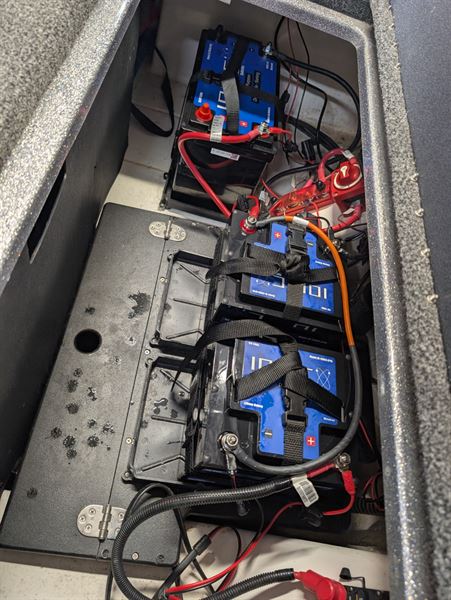
Credit: lithiumhub.com
Charging Methods
Charging RV batteries is important to keep your power running smoothly. There are different ways to charge your batteries. Each way fits different needs and situations.
Understanding these charging methods helps you keep your batteries healthy and ready for use. Here are some common charging options for RV batteries.
Solar Panels
Solar panels use sunlight to charge your RV batteries. They are quiet and save fuel. Solar charging works well if you spend time outdoors in sunny places.
Solar panels need good sunlight to work best. They charge slowly but keep batteries topped up during the day. A solar charge controller helps protect the batteries.
- Place panels where sunlight hits directly
- Use a charge controller to avoid overcharging
- Solar works well for long trips without shore power
Generator Charging
Generators produce electricity that charges RV batteries. They are useful when solar power is weak or not available. Generators provide power anytime you need it.
Run the generator near your RV and connect it to your battery system. Generators can charge batteries faster than solar panels but use fuel and make noise.
- Start the generator and let it run steadily
- Connect to the RV’s power system safely
- Monitor battery voltage to avoid overcharging
Shore Power
Shore power means plugging your RV into an electrical outlet at a campsite or home. It provides steady power to charge your batteries quickly. This method is simple and reliable.
Use a battery charger or converter connected to shore power. It controls charging to keep batteries full and healthy. Shore power is the best way to charge when available.
- Plug the RV into a shore power outlet
- Use the built-in charger or an external one
- Check the charger settings for correct voltage
Charging Best Practices
Charging RV batteries correctly helps them last longer. It also keeps your RV ready for trips.
Following safe charging tips protects your batteries and avoids damage. Use good habits every time.
Avoid Overcharging
Overcharging can damage your RV battery. It reduces battery life and causes heat build-up.
Stop charging when the battery reaches full power. Use chargers with automatic shut-off features.
- Check charger settings before use
- Use smart chargers that detect full charge
- Do not leave batteries charging unattended
Monitor Battery Levels
Keep an eye on your battery’s charge level. This helps you know when to recharge safely.
Use a battery monitor or voltmeter to check power levels. Regular checks prevent unexpected power loss.
- Measure voltage before and after charging
- Look for signs of low battery, like dim lights
- Track battery health over time
Use Proper Chargers
Choose chargers made for your battery type. Using the wrong charger can harm the battery.
Match the charger’s voltage and current to your battery’s needs. This ensures safe and efficient charging.
- Use chargers designed for lead-acid or lithium batteries
- Check charger output matches battery specifications
- Prefer chargers with multi-stage charging modes
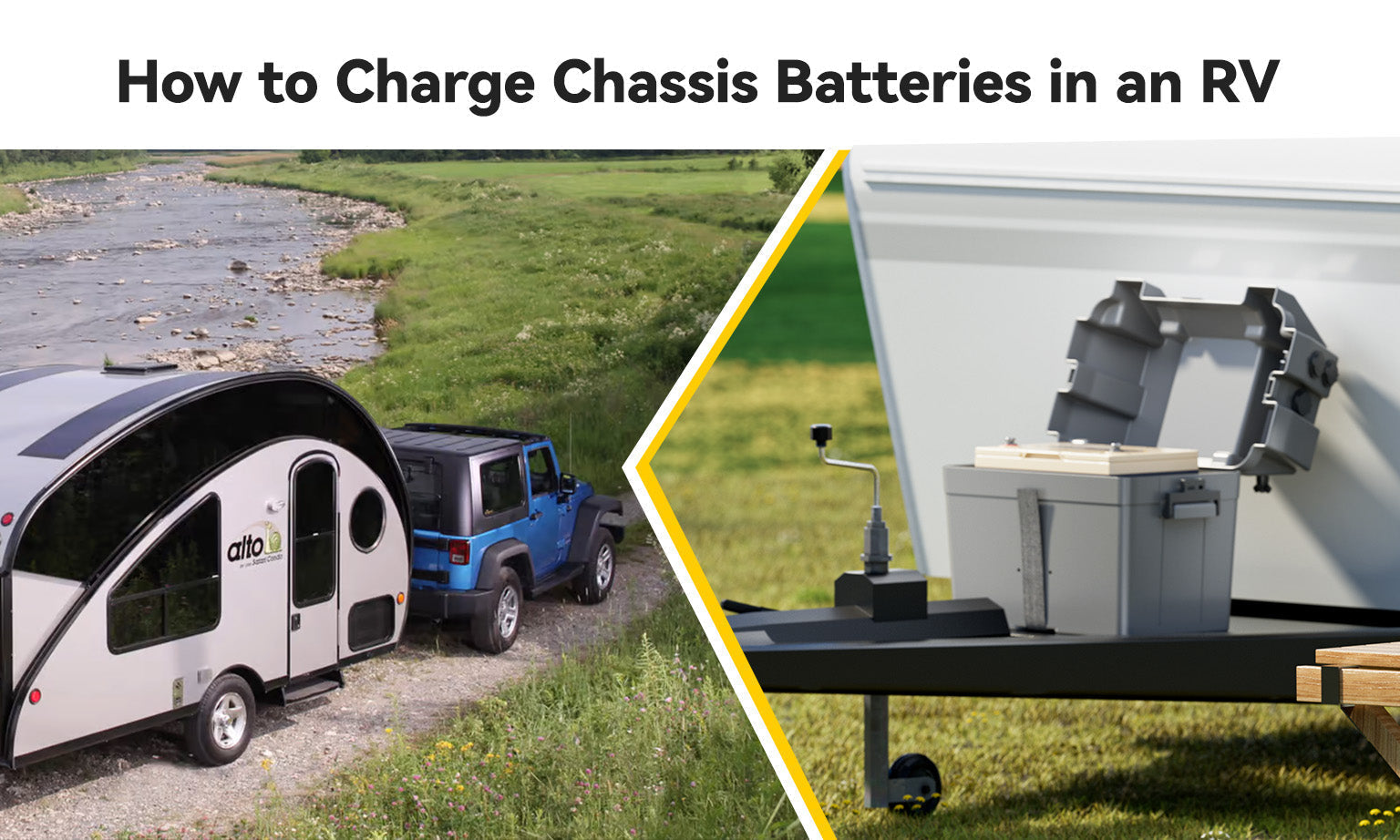
Credit: ipowerqueen.com
Maintenance Tips
Keeping your RV batteries in good shape helps them last longer. Regular care avoids sudden power loss.
Follow simple steps to check and clean your batteries. Proper storage also protects them when not in use.
Regular Inspections
Look over your RV batteries often. Check for cracks, leaks, or corrosion on the surface. Ensure cables are tight and secure.
- Inspect battery case for damage.
- Check cable connections for looseness.
- Look for any signs of corrosion.
- Test battery voltage with a meter.
Cleaning Battery Terminals
Clean terminals to stop corrosion. Corrosion reduces battery power and can cause failure.
| Step | Action |
| 1 | Disconnect the battery cables, starting with the negative terminal. |
| 2 | Mix baking soda and water to make a cleaning paste. |
| 3 | Use a brush to scrub terminals and connectors gently. |
| 4 | Rinse with clean water and dry completely. |
| 5 | Reconnect the cables, negative last. |
Storage Guidelines
Store batteries in a cool, dry place. Avoid freezing temperatures and direct sunlight.
- Charge batteries fully before storage.
- Disconnect batteries to prevent drain.
- Check and recharge every month.
- Keep batteries off cold floors and away from metal objects.

Credit: battlebornbatteries.com
Frequently Asked Questions
How Long Does It Take To Charge Rv Batteries Fully?
Charging time depends on battery size and charger power, typically 8 to 12 hours for a full charge.
What Is The Best Way To Charge Rv Batteries Safely?
Use a quality charger with automatic shut-off to prevent overcharging and damage.
Can Solar Panels Charge Rv Batteries Effectively?
Yes, solar panels can charge batteries well, especially with enough sunlight and a good controller.
How Often Should Rv Batteries Be Charged?
Charge batteries after each use or at least once a month to keep them healthy.
What Type Of Charger Is Best For Rv Batteries?
A smart charger or multi-stage charger works best to maintain battery life and efficiency.
Conclusion
Charging RV batteries is key to keeping your adventure alive. Use the right charger and follow safety steps carefully. Regular checks help your batteries last longer and work better. Avoid overcharging to protect battery health. Simple habits make a big difference on the road.
Stay prepared, and your RV will always have power when you need it most.