

Last Updated on June 17, 2026
Your car’s brake fluid is one of the most important parts keeping you safe on the road. But do you know how to check your brake fluid levels?
Ignoring this simple task could lead to serious problems, even brake failure. The good news is, checking brake fluid is quick and easy once you know what to look for. You’ll learn step-by-step how to check your brake fluid levels like a pro, so you can stay safe and avoid costly repairs.
Keep reading—you’ll want to make this a regular part of your car care routine.

Credit: www.rickhendrickchevy.com
Importance Of Brake Fluid
Brake fluid is a key part of your vehicle’s brake system. It helps transfer force from the brake pedal to the brakes.
Without enough brake fluid, your brakes may not work well. Checking brake fluid keeps you safe on the road.
How Brake Fluid Works
Brake fluid moves pressure from the pedal to the brake pads. It pushes the pads to slow or stop the car.
The fluid must be clean and at the right level to work properly. Dirty or low fluid can cause brake failure.
Signs Of Low Brake Fluid
Low brake fluid can make the brake pedal feel soft or sink to the floor. It can also cause warning lights.
- Brake warning light on dashboard
- Soft or spongy brake pedal
- Longer stopping distances
- Squeaking or grinding noises when braking
Why Regular Checks Matter
Brake fluid can absorb water and dirt over time. This lowers its ability to stop your car safely.
Checking fluid levels often helps catch problems early. It keeps your brakes reliable and safe.
Tools Needed For Checking
Checking your brake fluid level is important for safe driving. You need a few simple tools to do this job correctly. These tools help you see the fluid level clearly and keep your hands clean.
Getting the right tools ready before you start saves time. It also makes sure you do the check safely and accurately.
Brake Fluid Reservoir
The brake fluid reservoir is where you check the fluid level. It is usually a small, clear container near the engine. Look for it under the hood of your car.
Clean Cloth Or Paper Towels
You need a clean cloth or paper towels to wipe the reservoir cap. This prevents dirt from falling into the brake fluid when you open it. Keeping the fluid clean is very important.
Flashlight
A flashlight helps you see inside the reservoir clearly. Some reservoirs are in dark spots under the hood. The light lets you check the fluid level without guessing.
Gloves
Wearing gloves keeps your hands safe from brake fluid. This fluid can irritate your skin. Gloves also help keep your hands clean while working.
Tools List
- Brake fluid reservoir (part of your car)
- Clean cloth or paper towels
- Flashlight for better visibility
- Protective gloves
Steps To Check Brake Fluid
Checking your brake fluid is important for safe driving. Brake fluid helps your brakes work well.
Follow these simple steps to check the brake fluid level and condition in your vehicle.
Locate The Reservoir
Open the hood of your car and find the brake fluid reservoir. It is usually near the back of the engine bay.
The reservoir is a small, clear plastic container with a cap labeled “Brake Fluid” or a brake symbol.
Check Fluid Level
Look at the side of the reservoir to see the fluid level. Most reservoirs have “Min” and “Max” marks.
- Make sure the fluid level is between the “Min” and “Max” marks.
- If the fluid is below the “Min” mark, you need to add brake fluid.
- Use the type of brake fluid recommended in your vehicle’s manual.
Inspect Fluid Condition
Brake fluid should look clear or light yellow. Dark or cloudy fluid can mean it is old or contaminated.
| Fluid Color | Condition |
| Clear or light yellow | Good condition |
| Dark brown or black | Needs replacement |
| Cloudy or has particles | Contaminated, replace fluid |
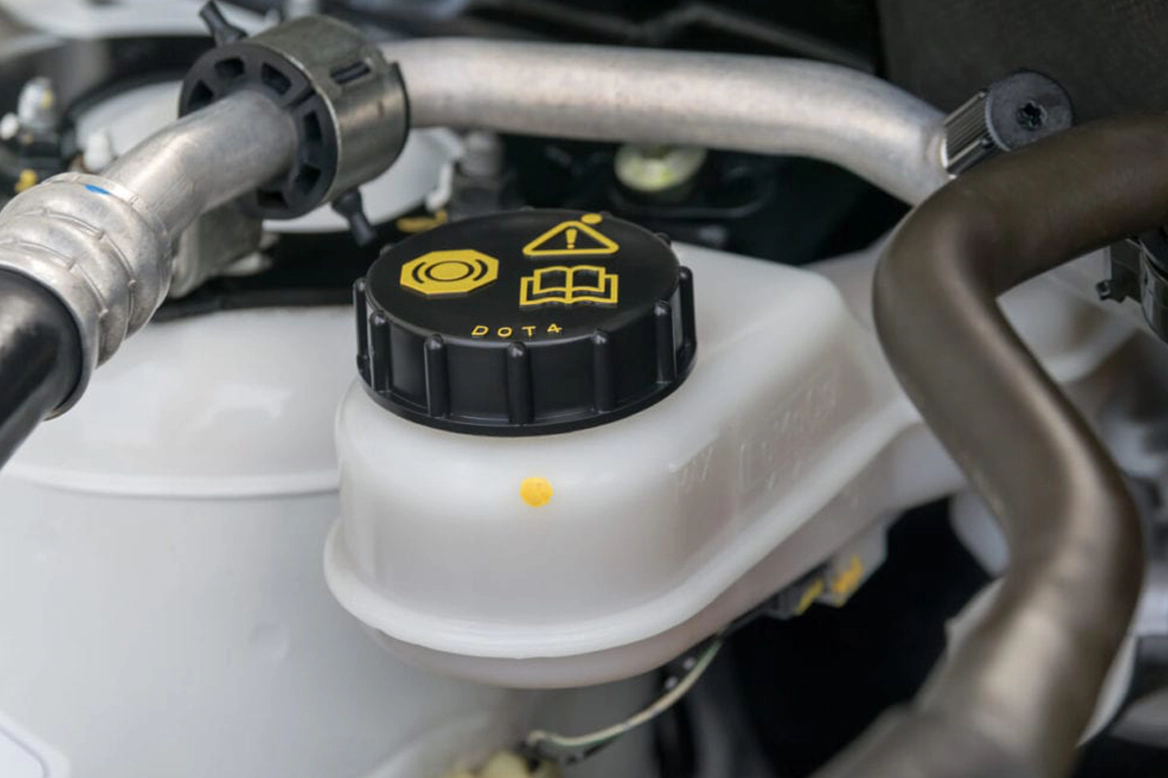
Credit: www.sunautoservice.com
When To Add Or Replace Fluid
Brake fluid is vital for your car’s braking system. Checking its level helps keep you safe on the road.
Knowing when to add or replace brake fluid can prevent brake failure and costly repairs.
Signs You Need To Add Brake Fluid
Brake fluid can drop due to normal wear or small leaks. Low fluid affects brake performance.
- Brake warning light appears on the dashboard
- Brake pedal feels soft or sinks to the floor
- Visible fluid level below the “MIN” mark in the reservoir
Check the fluid level regularly and add the correct type if it is low.
When To Replace Brake Fluid
Brake fluid absorbs moisture over time. This reduces its ability to work well.
- Brake fluid looks dark or dirty
- Brake system feels less responsive
- Every 2 years or as your car manual suggests
Replacing fluid keeps brakes working safely and prevents corrosion in the system.
How To Check Brake Fluid Level
Open the hood and find the brake fluid reservoir. It is usually near the back of the engine bay.
Look at the side of the reservoir to see the fluid level. The fluid should be between the “MIN” and “MAX” marks.
- If the fluid is below “MIN,” add brake fluid slowly
- Use the correct brake fluid type listed in your car manual
- Do not overfill the reservoir
Precautions When Adding Or Replacing Fluid
Brake fluid can damage paint. Avoid spills and clean any drops immediately.
Use only fresh brake fluid from a sealed container. Old fluid can harm the system.
- Wear gloves and eye protection
- Keep brake fluid away from children and pets
- Dispose of old brake fluid properly

Credit: www.youtube.com
Frequently Asked Questions
How Often Should I Check My Brake Fluid Level?
Check brake fluid at least once a month to keep your brakes working well.
Where Is The Brake Fluid Reservoir Located In My Car?
The brake fluid reservoir is usually near the back of the engine bay, near the driver.
What Is The Right Brake Fluid Level In The Reservoir?
The fluid should be between the “MIN” and “MAX” marks on the reservoir.
Can Low Brake Fluid Affect My Car’s Braking?
Yes, low brake fluid can make brakes feel soft or less effective.
What Type Of Brake Fluid Should I Use For My Car?
Use the brake fluid type recommended in your car’s owner manual for best results.
Conclusion
Checking your brake fluid level keeps your car safe. It only takes a few minutes to do. Use the right tools and clean hands. Look at the fluid reservoir and find the marks. Keep the fluid between the minimum and maximum lines.
Low brake fluid can cause problems on the road. Check it regularly, especially before long trips. Taking care of this small step protects you and others. Stay safe by keeping your brakes in good shape. Simple checks help avoid costly repairs later.