

Your car’s coolant reservoir plays a crucial role in keeping your engine cool and running smoothly. But over time, it can get dirty or clogged, which may lead to overheating and costly repairs.
Knowing how to clean your coolant reservoir properly can save you money and keep your vehicle in top shape. In this guide, you’ll discover simple, step-by-step tips to clean your coolant reservoir safely and effectively. Keep reading to learn how to protect your engine and boost your car’s performance with just a little maintenance you can do yourself.

Credit: www.youtube.com
Signs Of A Dirty Coolant Reservoir
A dirty coolant reservoir can cause problems for your car’s engine. It is important to know the signs of contamination early. This helps keep your engine running smoothly.
Coolant reservoirs collect and store the engine coolant. Over time, dirt and rust can build up inside. This affects the coolant quality and engine performance.
Visual Indicators
You can often see if the coolant reservoir is dirty by checking its appearance. Look for changes in color or texture.
- Cloudy or murky coolant fluid instead of clear or bright color
- Rust or sediment build-up inside the reservoir
- Stains or residue on the reservoir walls
- Unusual floating particles in the coolant
- Cracks or discoloration on the plastic container
Impact On Engine Performance
A dirty coolant reservoir can harm the engine’s cooling system. This causes overheating and other issues.
| Symptom | Possible Cause |
| Engine overheating | Clogged coolant passages |
| Coolant leaks | Cracked reservoir or hoses |
| Warning light on dashboard | Low coolant level or sensor issues |
| Reduced heater performance | Dirty or blocked coolant flow |
| Engine damage risk | Continuous overheating and poor cooling |

Credit: www.youtube.com
Tools And Materials Needed
Cleaning a coolant reservoir is important for your car’s health. Using the right tools makes the job easier and safer.
This guide lists all the tools and materials you need to clean your coolant reservoir well.
Cleaning Supplies
You need the right cleaning supplies to remove dirt and old coolant from the reservoir. These supplies help clean without damaging the parts.
- Distilled water to rinse the reservoir
- Dish soap or mild detergent for cleaning
- Soft brush or sponge to scrub gently
- Clean cloths or paper towels for drying
- Plastic funnel for refilling coolant
- Coolant fluid for refilling after cleaning
Safety Equipment
Wear safety equipment to protect yourself while cleaning. Coolant can be harmful if it touches your skin or eyes.
- Protective gloves to keep chemicals off your hands
- Safety goggles to shield your eyes
- Old clothes or apron to avoid stains
- Face mask if you are sensitive to fumes
Step-by-step Cleaning Process
Cleaning your car’s coolant reservoir keeps the cooling system working well. Dirt and old coolant can clog the reservoir over time. This guide shows how to clean it safely and easily.
Follow each step carefully to avoid damage. You only need a few tools and cleaning supplies to get started.
Draining The Coolant
First, drain the old coolant from the reservoir. This prevents spills and helps you clean inside properly. Make sure the engine is cool before starting.
- Open the hood and locate the coolant reservoir.
- Place a drain pan under the reservoir’s drain valve or hose.
- Open the drain valve or disconnect the hose to let coolant flow out.
- Wait until all the fluid drains completely.
- Close the valve or reattach the hose tightly.
Scrubbing The Reservoir
After draining, scrub the inside of the reservoir to remove buildup and slime. Use a soft brush and a safe cleaner to avoid damage.
Here is a simple cleaning checklist:
- Prepare a mixture of warm water and mild detergent.
- Use a soft bottle brush or sponge to scrub inside.
- Rinse the reservoir thoroughly with clean water.
- Check for cracks or damage before refilling.
Refilling And Testing
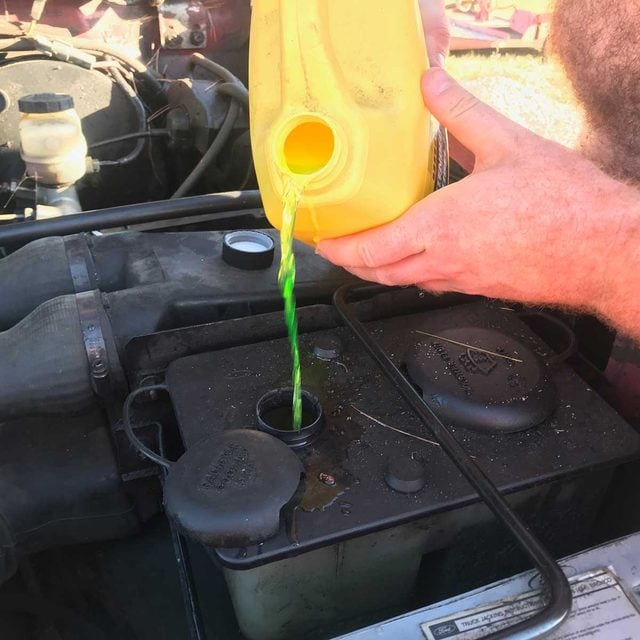
Refill the reservoir with fresh coolant. Use the correct type for your car. After refilling, test the system to ensure it works well.
| Task | Details |
| Refill coolant | Use the recommended coolant type and fill to the indicated level. |
| Start engine | Run the engine for 10 minutes to circulate coolant. |
| Check for leaks | Inspect hoses and reservoir for any leaks or drips. |
| Monitor temperature | Make sure engine temperature stays normal during operation. |
Credit: www.familyhandyman.com
Frequently Asked Questions
How Often Should I Clean The Coolant Reservoir?
Clean the coolant reservoir every 1-2 years to prevent buildup and keep the system working well.
What Tools Do I Need To Clean A Coolant Reservoir?
You need gloves, a screwdriver, a cleaning brush, water, and mild detergent or vinegar.
Can I Use Household Cleaners To Clean The Reservoir?
Yes, mild detergent or vinegar works well; avoid harsh chemicals that can damage parts.
How Do I Safely Remove The Coolant Reservoir?
Make sure the engine is cool, then carefully disconnect the hoses and bolts holding the reservoir.
What Signs Show My Coolant Reservoir Needs Cleaning?
Cloudy fluid, dirt inside, or coolant leaks indicate the reservoir needs cleaning or replacement.
Conclusion
Cleaning your coolant reservoir keeps your car running smooth. Regular cleaning stops dirt and old coolant from causing problems. Use simple tools and follow safety steps for best results. Check the reservoir often to avoid engine trouble. A clean reservoir helps your cooling system work well.
Stay safe and keep your car healthy with easy maintenance. Taking a little time now saves bigger repairs later. Keep your engine cool and enjoy a worry-free drive.