

Is your car making strange noises or handling differently? Your rear differential might be trying to tell you something.
Knowing when your rear differential needs replacing can save you from costly repairs and unexpected breakdowns. You’ll discover clear signs to watch for, so you can act before small problems turn into big headaches. Keep reading to protect your ride and stay safe on the road.
Common Rear Differential Issues
The rear differential is an important part of your vehicle. It helps the wheels turn smoothly.
When the rear differential has problems, your car may not drive well. It is important to notice signs early.
Unusual Noises
You may hear strange noises from the rear of your car. These sounds can be whining, howling, or clunking.
These noises often mean the gears or bearings inside the differential are worn out or damaged.
Pay attention to these noises, especially when turning or accelerating.
Leaking Fluid
The rear differential uses special fluid to stay lubricated. If you see fluid leaks under your car, it could be a problem.
Leaking fluid can cause the differential to run dry and fail faster.
- Check for wet spots or puddles under the rear of your vehicle
- Look for a strong oily smell or dirt build-up near the differential
- Low fluid levels reduce the life of the rear differential
Vibrations While Driving
If your car shakes or vibrates while driving, the rear differential might be the cause.
Worn gears or bearings can create uneven movement and vibrations.
- Notice if the vibration changes with speed
- Check if vibrations happen only when turning or always
- Vibrations can damage other parts if not fixed

Credit: overbeckauto.com
Signs You Need Replacement
The rear differential helps your vehicle turn smoothly. It sends power to the wheels while they turn at different speeds.
If the rear differential has problems, it can cause serious issues. Watch for these signs to know if you need a new one.
Difficulty Turning
If your car struggles to turn corners, the rear differential may be failing. You might feel resistance or hear clunking noises.
The rear differential allows the wheels to spin at different speeds when turning. A damaged differential can cause stiff or jerky turns.
- Car pulls to one side during turns
- Steering feels heavy or tight
- Clunking or grinding noises while turning
Burning Smell
A burning smell near the rear of your vehicle can mean the differential is overheating. This happens if the fluid is low or the gears are damaged.
Heat can damage the internal parts. If you smell burning oil or rubber, check the differential right away to avoid bigger problems.
- Smell of burning oil or rubber near rear wheels
- Smoke coming from under the car
- Overheating differential fluid
Poor Vehicle Performance
A worn rear differential can reduce your car’s power and speed. You may notice slow acceleration or strange vibrations.
Damaged gears or bearings inside the differential can cause uneven power delivery. This affects your vehicle’s overall performance and safety.
- Slow or weak acceleration
- Vibrations while driving
- Unusual noises when driving straight
Fixes And Maintenance Tips
The rear differential helps your car turn smoothly by managing power to the wheels. It needs care to work well.
If you hear noises or feel vibrations, your rear differential might need fixing or maintenance. Here are tips to help.
Fluid Change Procedures
Changing the rear differential fluid keeps parts lubricated and stops damage. Old fluid can cause wear and noise.
Check the fluid every 30,000 miles or as your car manual suggests. Use the right type of fluid for your vehicle.
- Lift the car safely and remove the differential cover or drain plug.
- Drain old fluid completely and clean the inside of the differential.
- Replace the gasket or seal to prevent leaks.
- Refill with new, correct fluid up to the proper level.
- Check for leaks after you finish and test drive the vehicle.
When To Repair Vs Replace
Small issues like leaks or worn seals can be repaired. Major problems may require replacing the whole differential.
Repair if the noise or leaks are minor and parts are available. Replace if gears are badly worn or damaged.
- Repair: Fix leaks, replace seals, or clean small damage.
- Replace: Broken gears, severe noise, or major metal damage.
- Consult a mechanic if unsure about the damage level.
Preventive Care Practices
Regular maintenance prevents problems with your rear differential. Keep parts clean and fluid fresh.
Drive gently to reduce stress on the differential. Avoid quick turns or heavy loads that can cause damage.
- Inspect the differential and fluid regularly.
- Change fluid on schedule.
- Fix leaks quickly to avoid damage.
- Drive carefully to reduce wear and tear.
- Have a mechanic check the differential during routine services.
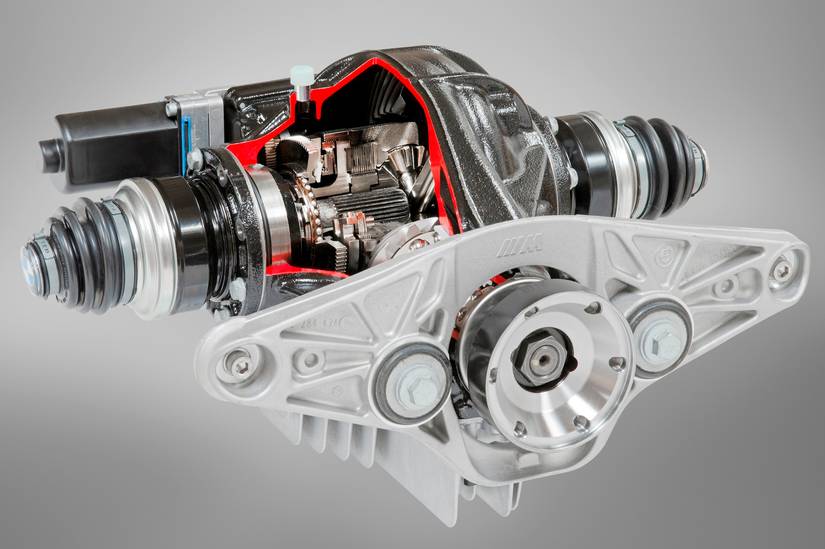
Credit: carbuzz.com

Credit: www.reddit.com
Frequently Asked Questions
What Are Common Signs Of A Failing Rear Differential?
Unusual noises, like whining or clunking, and difficulty turning often indicate rear differential problems.
How Does Rear Differential Noise Sound When It’s Bad?
A bad rear differential usually makes whining, humming, or clunking noises during driving.
Can Leaking Fluid Mean Rear Differential Issues?
Yes, leaking gear oil under your vehicle can signal a rear differential leak.
How Does A Bad Rear Differential Affect Vehicle Handling?
A failing rear differential can cause vibrations, poor traction, and difficulty steering smoothly.
How Often Should Rear Differential Fluid Be Changed?
Rear differential fluid should be changed every 30,000 to 60,000 miles or as recommended by the vehicle manual.
Conclusion
A faulty rear differential can cause serious car problems. Strange noises, vibrations, and leaks are warning signs. Regular checks help catch issues early. Fixing or replacing the differential keeps your vehicle safe. Don’t ignore these signs to avoid costly repairs.
Taking care of your car ensures smooth driving. Stay alert and act quickly if you notice problems. Your car will thank you with better performance.