

Last Updated on June 17, 2026
Have you ever wondered why your auto tools don’t always deliver the results you expect? The secret lies in calibration.
Calibration is the key to making sure your tools work accurately every single time. Without it, you risk mistakes, wasted time, and even costly repairs. You’ll discover why calibration is not just a technical detail but a crucial step to protect your investment and boost your work quality.
Keep reading to learn how taking care of your tools the right way can save you money and stress down the road.
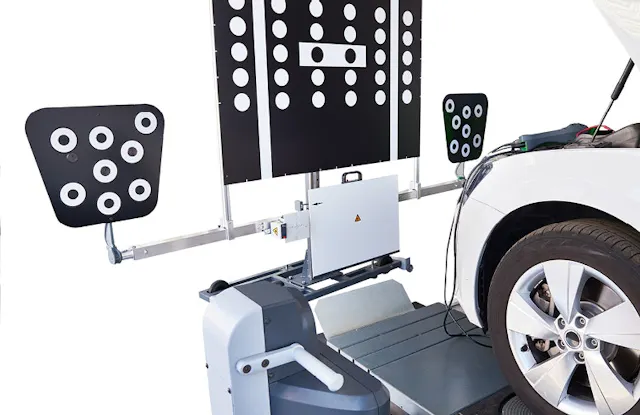
Credit: www.fenderbender.com
Role Of Calibration In Auto Tools
Calibration ensures auto tools work accurately and safely. It helps maintain the quality of repairs and services.
Without calibration, tools may give wrong readings. This can cause damage to vehicles and increase costs.
Ensuring Accuracy And Precision
Auto tools must measure and apply force correctly. Calibration sets the tools to the right standards. This prevents errors in repairs.
Improving Safety In Repairs
Proper calibration reduces risks of tool failure. It protects both the mechanic and the vehicle. Safe tools prevent accidents and injuries.
Extending Tool Life And Performance
Calibrated tools face less wear and tear. They work smoothly and last longer. Regular calibration keeps tools in good condition.
Benefits Of Regular Calibration
- Accurate measurements and settings
- Reduced risk of errors and accidents
- Improved vehicle repair quality
- Longer tool lifespan
- Cost savings on replacements and repairs
Calibration Frequency And Standards
| Tool Type | Recommended Calibration Interval | Calibration Standard |
| Torque Wrenches | Every 6 months | ISO 6789 |
| Pressure Gauges | Annually | ASTM E74 |
| Diagnostic Scanners | Every 12 months | Manufacturer Guidelines |
Impact On Precision And Accuracy
Calibration is key to keeping auto tools precise and accurate. It makes sure tools measure and work correctly.
Without calibration, tools may give wrong readings. This leads to poor repairs and unsafe vehicles.
Consistency In Measurements
Calibration helps tools give the same results every time. This consistency is important for quality work.
When tools are calibrated, mechanics trust their measurements. This reduces mistakes and saves time.
Reducing Errors
Auto tools can lose accuracy over time. Calibration finds these errors and fixes them before use.
- Prevents wrong torque on bolts
- Ensures proper tire pressure readings
- Improves engine diagnostics accuracy
Improving Safety
Accurate tools help keep vehicles safe. Proper calibration avoids faulty repairs that risk accidents.
Mechanics can trust their tools to work within safe limits. This protects both workers and drivers.
Extending Tool Life
Calibration checks if tools work well and do not wear out. This helps in maintaining tools longer.
Regular calibration can catch small problems early. This saves money by avoiding tool replacement.
Enhancing Safety Measures
Calibration of auto tools is important for safety. It helps tools work correctly and prevents accidents.
Accurate tools reduce risks for mechanics and vehicle users. Regular checks keep tools reliable.
Prevents Tool Malfunction
Calibrated tools perform as expected. This lowers chances of errors during repairs or maintenance.
Malfunctioning tools can cause damage to cars or injure workers. Calibration stops this risk.
Ensures Accurate Measurements
Auto tools often measure pressure, torque, or alignment. Calibration keeps these readings correct.
Accurate measurements help fix cars safely and avoid future breakdowns or hazards.
Maintains Compliance With Safety Standards
Many safety rules require using calibrated tools. This protects workers and vehicle owners.
Regular calibration helps businesses meet legal safety requirements and avoid penalties.
Reduces Risk Of Injury
Tools that work right reduce chances of slips, cuts, or other accidents during use.
Calibrated tools give better control and safer handling for mechanics.
Improves Vehicle Safety
Proper tool calibration ensures car parts are fixed correctly. This keeps cars safe to drive.
Correct repairs prevent failures that could cause crashes or breakdowns.

Credit: www.crane-electronics.com
Best Practices For Regular Calibration
Calibration is important to keep auto tools accurate. It ensures tools measure correctly and work safely.
Regular calibration stops errors and extends the life of your tools. Follow these best practices to stay on track.
Set A Calibration Schedule
Make a calendar for calibration checks. This helps prevent tools from losing accuracy over time.
Check tools more often if they are used a lot or exposed to tough conditions.
- Mark dates on a calendar or software
- Follow manufacturer’s recommended intervals
- Adjust schedule based on tool usage
Use Certified Standards
Always calibrate tools using certified reference standards. These standards guarantee the accuracy of the calibration.
Certified standards come with traceable documentation to national or international benchmarks.
- Use standards that match the tool’s measurement range
- Replace standards regularly to keep them accurate
- Store standards properly to avoid damage
Train Staff On Calibration Procedures
Make sure all staff know how to calibrate tools correctly. Training reduces errors and tool damage.
Teach the importance of calibration and how to record results properly.
- Provide clear instructions and manuals
- Offer hands-on practice sessions
- Review calibration records regularly
Keep Detailed Calibration Records
Record every calibration check with date, results, and who performed it. This helps track tool performance.
Use these records to spot trends and plan maintenance or replacements.
- Log tool ID and calibration date
- Note any adjustments made
- Keep records organized and accessible
Perform Calibration In A Controlled Environment
Calibrate tools in a clean, stable area. Temperature and humidity affect calibration accuracy.
Avoid areas with dust, vibration, or strong magnetic fields during calibration.
- Choose a quiet room with steady temperature
- Use anti-static mats if needed
- Keep the area free from dust and dirt

Credit: blog.toolden.co.uk
Frequently Asked Questions
What Is Calibration In Auto Tools?
Calibration means checking and adjusting tools to ensure they measure accurately.
Why Is Calibration Important For Auto Tools?
It keeps tools reliable, safe, and helps maintain vehicle performance.
How Often Should Auto Tools Be Calibrated?
Calibration frequency depends on tool use, but usually every 6 to 12 months.
What Happens If Auto Tools Are Not Calibrated?
Tools may give wrong readings, causing poor repairs and safety risks.
Can Calibration Improve The Life Of Auto Tools?
Yes, regular calibration keeps tools working well and extends their lifespan.
Conclusion
Calibration keeps auto tools working right and precise. It helps avoid mistakes and saves money. Regular checks stop breakdowns and keep tools safe. Accurate tools mean better work and happy customers. Skipping calibration can cause delays and extra costs. Trust your tools by checking them often.
This small step protects your investment and improves results. Keep calibration part of your routine for steady performance. Simple, smart, and necessary.