

Last Updated on June 17, 2026
Your workshop tools are more than just equipment—they are the backbone of every project you tackle. When you keep your tools in good shape, you save time, avoid costly repairs, and ensure your work is safe and precise.
Imagine reaching for a wrench only to find it rusted or a drill that won’t start. Frustrating, right? By maintaining your tools regularly, you avoid these setbacks and boost your efficiency. You’ll discover simple yet powerful ways to care for your workshop tools, helping you get the best results every time you work.
Keep reading, and take control of your workshop’s success.
Benefits Of Well-maintained Tools
Keeping workshop tools in good condition helps workers do their jobs better. Well-maintained tools last longer and work more safely.
Using tools that are clean and sharp saves time and effort. It also reduces the chance of mistakes and accidents in the workshop.
Improved Safety
Tools that are cared for properly lower the risk of injury. Dull or broken tools can slip or break, causing harm.
Increased Efficiency
Using sharp and clean tools helps finish work faster. Well-maintained tools reduce the effort needed to complete tasks.
- Less force needed to cut or shape materials
- More precise work with sharp edges
- Fewer tool failures during tasks
Longer Tool Life
Regular cleaning and fixing stop tools from wearing out quickly. This saves money by reducing the need to buy new tools often.
| Maintenance Task | Benefit |
| Cleaning after use | Prevents rust and dirt build-up |
| Sharpening blades | Keeps cutting efficient |
| Checking handles | Ensures firm grip and control |
| Oiling moving parts | Reduces wear and tear |
Cost Savings
Well-kept tools need fewer repairs and replacements. This lowers expenses for the workshop and avoids downtime.
Tips for Saving Costs:
- Schedule regular tool inspections
- Store tools in dry and safe places
- Train workers to use tools correctly
- Replace worn parts early
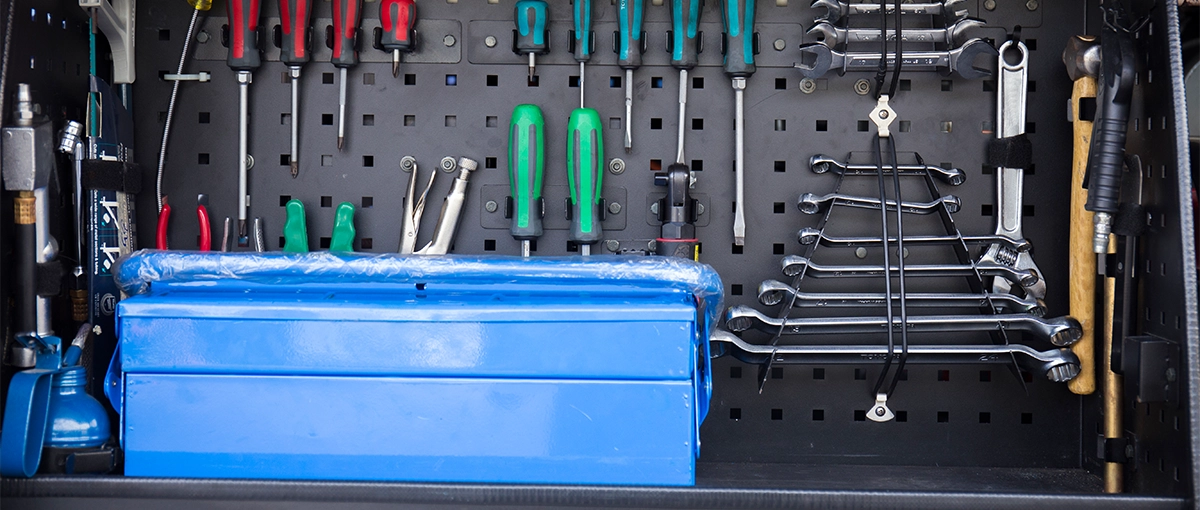
Credit: www.hubindustrial.com
Common Tool Maintenance Practices
Keeping workshop tools in good condition helps them last longer. It also keeps work safe and efficient. Simple care routines prevent damage and costly repairs.
Regular checks and cleaning remove dirt and rust. Proper storage protects tools from moisture and wear. These steps save money and time over the long run.
Cleaning And Lubrication
Clean tools after use to remove dust and grease. Use a soft cloth or brush. Apply lubricant on moving parts to reduce friction and prevent rust.
Inspection And Repair
Check tools regularly for damage or wear. Look for cracks, loose parts, or dull edges. Fix small problems early to avoid bigger repairs later.
Proper Storage
Store tools in a dry, clean place. Use racks, boxes, or cabinets to keep tools organized. Avoid piling tools on top of each other to prevent damage.
- Keep tools dry to stop rust
- Separate sharp tools from others
- Label storage areas for easy access
- Use protective covers for delicate tools
Sharpening And Calibration
Sharp tools work better and safer. Use the right sharpening tools for blades and cutting edges. Calibrate measuring tools to keep accuracy high.
| Tool Type | Maintenance Action | Frequency |
| Wrenches | Clean, lubricate joints | Monthly |
| Hammers | Check handles, clean heads | Monthly |
| Measuring Tape | Clean, check markings | Every 3 months |
| Hand Saws | Sharpen teeth, oil blade | After heavy use |
Impact On Workplace Safety
Maintaining workshop tools is key to keeping the workplace safe. Tools that work well help prevent accidents.
When tools are in poor shape, they can cause injuries or damage. Proper care lowers these risks.
Prevents Tool Malfunctions
Regular checks keep tools in good condition. This stops them from breaking during use.
Broken tools can slip or fail, causing harm. Well-maintained tools work as expected.
- Sharp blades stay sharp and safe
- Power tools work without sudden stops
- Hand tools do not slip from hands
Reduces Workplace Hazards
Clean and organized tools reduce clutter. Clutter can cause trips and falls.
Safe storage of tools stops accidental injuries. Workers can find tools easily and use them safely.
- Keep tools off floors
- Store sharp tools in cases
- Label tool areas clearly
Ensures Proper Tool Use
Maintained tools work as designed. This helps workers use them correctly and safely.
Damaged tools may cause workers to use unsafe fixes. Proper tools reduce unsafe shortcuts.
- Check tools before use
- Replace worn parts immediately
- Train workers on tool care
Improves Worker Confidence
Workers feel safer using tools that work well. Confidence reduces mistakes and accidents.
Regular maintenance shows that safety matters. This builds a safer work culture.
- Routine tool inspections
- Clear maintenance schedules
- Encourage reporting of tool issues
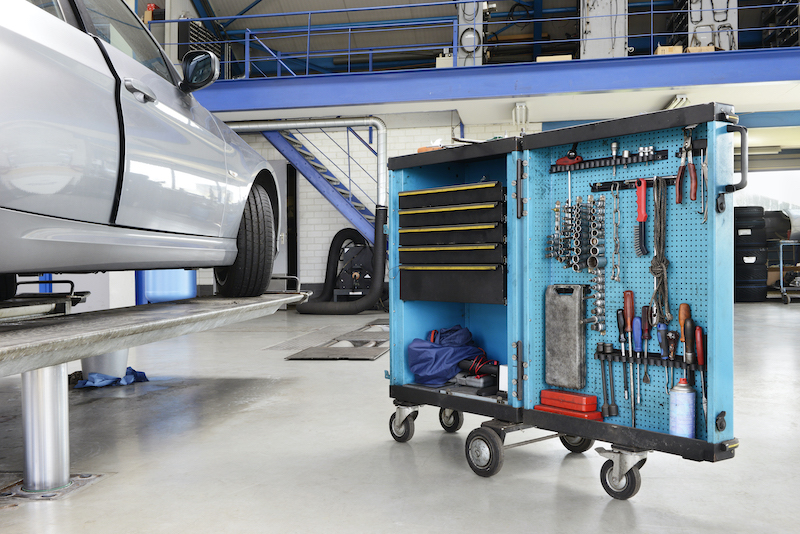
Credit: www.techmangms.com
Tips For Creating A Maintenance Routine
Keeping workshop tools in good shape helps them work better and last longer. A regular maintenance routine prevents damage and saves money.
Follow these tips to build a simple and effective maintenance routine for your tools.
Schedule Regular Inspections
Check your tools often to find problems early. Look for rust, loose parts, or wear. Fix small issues before they grow.
- Inspect tools weekly or monthly
- Look for cracks, rust, or broken parts
- Test moving parts for smooth operation
Clean Tools After Each Use
Dirt and dust can cause tools to wear out fast. Clean tools with a brush or cloth after every job. This keeps them ready for the next use.
- Remove dust and debris carefully
- Use oil or lubricant on metal parts
- Store tools in dry, clean places
Use Proper Storage Methods
Store tools where they stay safe and dry. Use racks, toolboxes, or shelves to organize them. Proper storage prevents damage and loss.
- Keep tools off the ground
- Use tool organizers for small items
- Store sharp tools safely
Sharpen And Lubricate Regularly
Dull tools work harder and can be unsafe. Sharpen blades and drill bits often. Lubricate moving parts to reduce friction and wear.
- Sharpen blades when cutting becomes hard
- Apply lubricant to hinges and joints
- Use the right oil for each tool type
Keep A Maintenance Log
Write down when you inspect, clean, or repair tools. A log helps track maintenance and plan future tasks. It improves tool care over time.
- Record dates of inspections and repairs
- Note issues found and fixes made
- Use a notebook or digital app

Credit: www.gz-supplies.com
Frequently Asked Questions
Why Is Regular Maintenance Of Workshop Tools Important?
Regular maintenance keeps tools safe, working well, and lasting longer in any workshop.
How Does Tool Maintenance Improve Workshop Safety?
Well-maintained tools reduce accidents by working properly and preventing unexpected breaks.
What Are The Cost Benefits Of Maintaining Workshop Tools?
Maintaining tools lowers repair costs and delays buying new tools by extending tool life.
How Often Should Workshop Tools Be Cleaned And Checked?
Tools should be cleaned and inspected after every use to ensure they stay in good shape.
Can Poor Tool Maintenance Affect Work Quality?
Yes, dull or damaged tools lead to poor work results and waste materials.
Conclusion
Maintaining workshop tools saves money and time. Tools last longer and work better. It keeps your work safe and smooth. Clean and check tools after each use. Small problems fix before they grow. Organized tools help find them fast. Regular care stops big repairs later.
Good tools make projects easier and faster. Take care of tools today for better work tomorrow. Simple steps protect your investment and boost your skills.