

Last Updated on June 17, 2026
Have you ever been stuck in traffic and wished the constant noise outside your car would just disappear? Imagine driving in peace, hearing only your favorite music or the voice of someone you care about.
Noise insulation in cars isn’t just a luxury—it can change the way you experience every trip. You’ll discover why noise insulation matters and how it can make your drives more comfortable, safer, and even healthier. Keep reading to find out how a quieter ride can improve your daily journeys in ways you might not expect.
Benefits Of Noise Insulation
Noise insulation in cars helps block outside sounds. It creates a quieter cabin for drivers and passengers.
Reducing noise improves the overall driving experience and comfort inside the vehicle.
Improved Ride Comfort
Noise insulation reduces road, engine, and wind noise. This makes the ride more peaceful and relaxing.
- Less distraction from outside sounds
- Smoother communication between passengers
- Better focus on driving
- Increased feeling of luxury inside the car
Reduced Driver Fatigue
Lower noise levels help drivers stay alert for longer. Loud noise can cause tiredness and stress.
| Effect | With Noise Insulation | Without Noise Insulation |
| Driver Fatigue | Reduced | Increased |
| Stress Levels | Lower | Higher |
| Focus on Road | Improved | Decreased |
Enhanced Audio Experience
Noise insulation improves sound quality inside the car. It blocks outside noise that interferes with music and calls.
Benefits of noise insulation for audio:
- Clearer music playback
- Better voice call quality
- Less need to raise volume
- More enjoyable entertainment
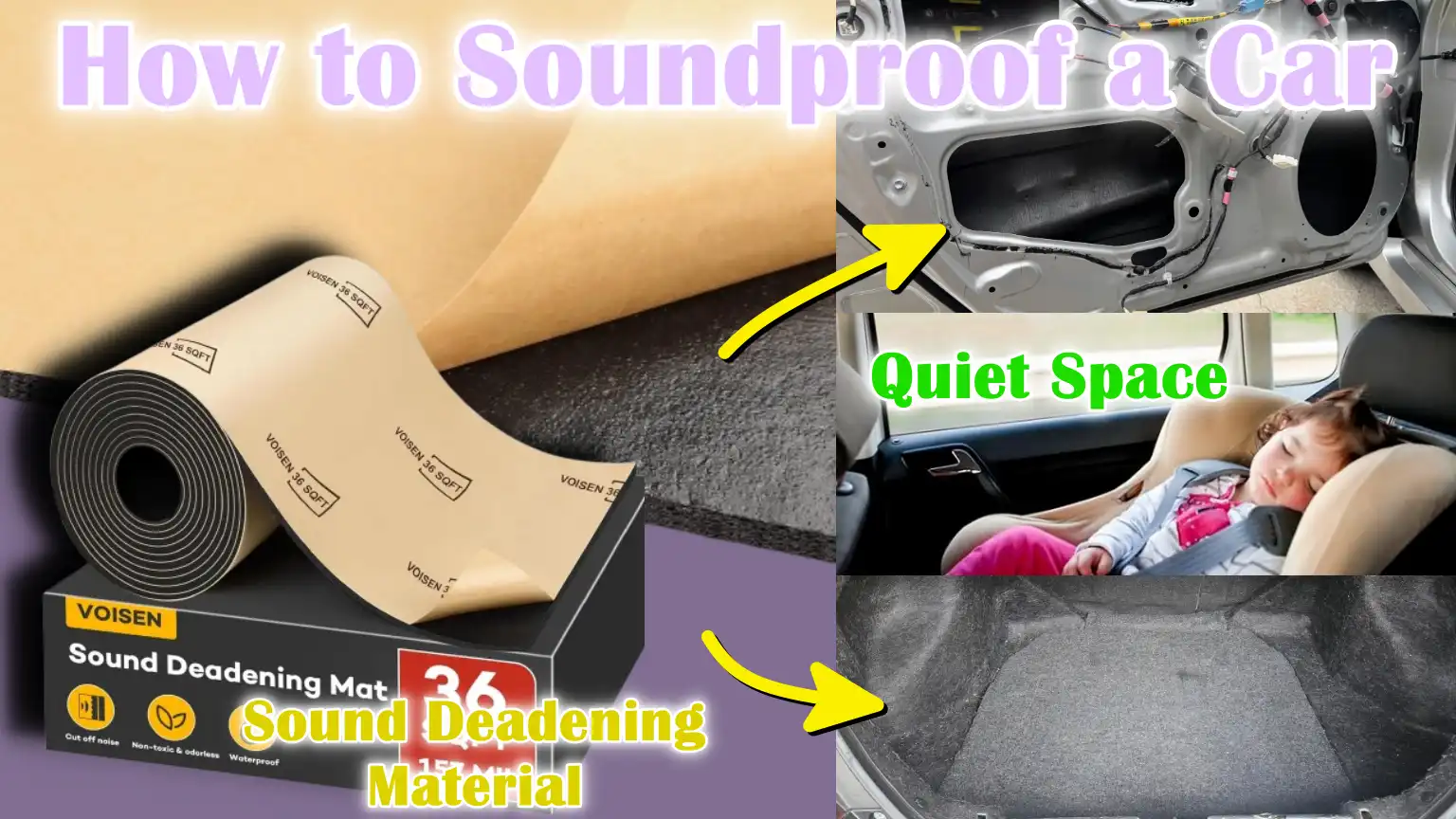
Credit: dondodicarcustoms.com
Common Noise Sources In Cars
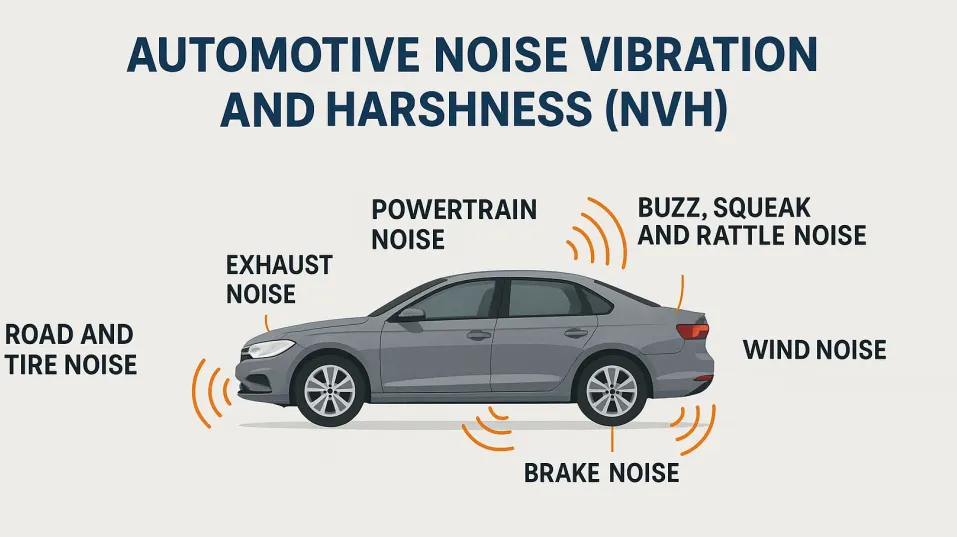
Noises inside a car can make driving less comfortable. These sounds come from different parts of the vehicle. Understanding noise sources helps improve noise insulation.
Noise insulation reduces loud sounds and creates a peaceful cabin. Below are common noise sources found in cars.
Engine And Exhaust Noise
The engine produces strong noise while running. Exhaust systems also release sound from burning fuel. Both can be loud and disturbing inside the car.
Noise insulation uses special materials around the engine and exhaust areas. This helps lower the sound entering the cabin.
- Engine vibrations cause deep rumbling sounds
- Exhaust noise varies with engine speed
- Insulation blocks noise from engine bay
Road And Tire Noise
Tires create noise when they roll on road surfaces. Rough or uneven roads make more sound. This noise travels into the car through the wheels and floor.
Good noise insulation under the car floor and wheel wells reduces this noise. It also stops vibrations from spreading inside.
- Different tires produce different noise levels
- Gravel and rough roads increase tire noise
- Insulation mats reduce sound and vibration
Wind And Aerodynamic Noise
Wind noise happens when air moves around the car. Faster speeds make louder wind sounds. Open windows or gaps increase this noise inside.
Seals around doors and windows help block wind noise. Aerodynamic design also lowers air resistance and reduces sound.
- Wind noise rises with vehicle speed
- Door and window seals keep air out
- Smooth shapes cut down aerodynamic noise
Materials For Effective Insulation
Noise insulation in cars helps reduce unwanted sounds. It makes rides quiet and more comfortable.
Different materials block or absorb sound in various ways. Using the right materials improves car noise control.
Sound-absorbing Foams
Sound-absorbing foams reduce noise by trapping sound waves. They soften echoes inside the car cabin.
These foams are light and easy to fit in car doors and panels. They help lower road and engine noise.
- Open-cell structure absorbs sound well
- Lightweight and flexible for tight spaces
- Commonly used in door panels and roofs
Mass Loaded Vinyl
Mass Loaded Vinyl (MLV) blocks sound by adding heavy layers. It stops noise from passing through walls and floors.
MLV is thin but dense. It fits behind panels without taking much space. It works well against low-frequency sounds.
- High density blocks vibrations and noise
- Thin and flexible for easy installation
- Used under carpets and inside door panels
Acoustic Barriers
Acoustic barriers stop sound by reflecting or absorbing it. They create a strong layer that noise cannot pass.
These barriers often combine materials to improve sound blocking. They protect the car cabin from road and wind noise.
- Can include foam, vinyl, and fiberglass
- Placed in doors, floors, and trunk areas
- Reduce both high and low-frequency noises

Credit: journals.sagepub.com
Installation Techniques
Noise insulation in cars reduces outside sounds and creates a quiet ride. Proper installation is key to effective soundproofing.
Using the right techniques ensures the insulation fits well and lasts long. This guide covers important methods for car noise insulation.
Door And Window Sealing
Sealing doors and windows blocks wind and road noise from entering the car. It stops gaps where sound can pass through.
Use weatherstripping tape or rubber seals. Clean the surface before applying to help it stick tightly. Press firmly for a good bond.
- Remove old seals and clean dirt
- Cut new seals to fit door edges
- Apply seals evenly without gaps
- Check seals close fully without pinching
Floor And Roof Insulation
Insulating floors and roofs lowers noise from tires and rain. It also helps keep the car temperature stable.
Use foam or mats designed for cars. Remove seats and carpets to install. Cut material to fit and fix it with glue or tape.
- Lift carpets and clean floor
- Measure and cut insulation mats
- Apply adhesive to hold mats in place
- Replace carpets and seats carefully
Custom Insulation Kits
Custom kits come with materials made for specific car models. They save time and fit perfectly without extra cutting.
Follow kit instructions step-by-step. Use tools like rollers to press materials well. Check for any loose edges after installation.
- Unpack and identify all parts
- Match pieces to car areas
- Clean surfaces before applying
- Press material firmly with roller
- Inspect and fix loose spots
Credit: www.suzukirndindia.com
Frequently Asked Questions
What Is Noise Insulation In Cars?
Noise insulation reduces outside and engine sounds inside the car cabin. It improves comfort.
Why Is Noise Insulation Important For Car Comfort?
It lowers loud noises, making driving peaceful and less tiring for passengers.
How Does Noise Insulation Affect Fuel Efficiency?
Better insulation may add slight weight but usually does not impact fuel use much.
What Materials Are Used For Car Noise Insulation?
Common materials include foam, rubber mats, and special sound-absorbing fabrics.
Can Noise Insulation Improve Car Resale Value?
Yes, quieter cars feel higher quality and attract more buyers in the market.
Conclusion
Quiet rides make driving safer and more comfortable. Noise insulation blocks outside sounds effectively. It helps drivers focus and reduces stress on long trips. Car interiors stay peaceful, letting passengers enjoy conversations and music. Investing in good noise insulation improves overall travel quality.
Choose cars with proper soundproofing for a better experience. Noise control is a small change with big benefits.