

Last Updated on June 17, 2026
Have you ever wondered how a simple flick of your finger can keep you and others safe on the road? That small action of using your turn signal plays a huge role in preventing accidents and making driving smoother for everyone.
Understanding the importance of turn signal systems isn’t just for drivers—it’s for anyone who cares about road safety. Keep reading to discover why this often-overlooked feature deserves your full attention and how it can protect you every time you get behind the wheel.

Credit: www.familyhandyman.com
Role Of Turn Signals In Road Safety
Turn signals help drivers show their next move to others on the road. They tell when a driver wants to turn or change lanes.
Using turn signals keeps traffic smooth and lowers the chance of crashes. They are key for safe driving and clear communication.
How Turn Signals Prevent Accidents
Turn signals warn others about your driving intentions. This gives them time to react and avoid collisions.
They reduce confusion on the road. Drivers and pedestrians can see your signal and stay alert.
- Help other drivers keep safe distance
- Alert pedestrians when you plan to turn
- Prevent sudden stops or lane changes
- Improve overall traffic flow
Legal Requirements For Turn Signal Use
Laws require drivers to use turn signals before turning or changing lanes. This rule exists in most countries.
Failing to use signals can lead to fines or penalties. It also puts everyone on the road at risk.
- Signal at least 100 feet before turning
- Use signals for all lane changes
- Check local laws for specific rules
- Turn signals must be in good working order
Common Turn Signal Mistakes
Turn signals help drivers share their intentions on the road. Using them properly keeps everyone safe.
Many drivers make mistakes with turn signals. These errors can cause accidents and confusion.
Failing To Signal
Not using turn signals is a common problem. Drivers who fail to signal surprise others on the road.
When you do not signal, other drivers cannot know your next move. This increases the risk of crashes.
- Always signal before turning or changing lanes
- Signal early enough to warn others
- Check your signals regularly to ensure they work
Incorrect Timing
Signaling too late or too early causes confusion. Other drivers may not react correctly to your signals.
Signal too late and people have less time to adjust. Signal too early and others may think you will turn sooner.
- Signal at least 100 feet before a turn in the city
- Signal well before lane changes on highways
- Turn off signals after completing your move
Tips For Effective Turn Signal Use
Turn signals help drivers communicate their moves. Using them correctly keeps roads safer.
Knowing when and how to signal can prevent accidents and confusion. Follow simple tips for better use.
When To Signal
Always signal before you turn or change lanes. This warns other drivers about your plans.
Signal early enough to give others time to react. A good rule is to signal at least 100 feet before your move.
- Before turning left or right
- When changing lanes on roads or highways
- Before merging into traffic
- When pulling over or parking
Proper Signal Techniques
Use your turn signals clearly and consistently. Make sure your signals work before driving.
Cancel your signal after completing your turn or lane change. Leaving it on can confuse other drivers.
- Check signal lights before starting your trip
- Use hand signals if your lights fail
- Signal smoothly, not too fast or slow
- Turn off signals immediately after your move

Credit: www.youtube.com
Technology Enhancing Turn Signal Systems
Turn signal systems help drivers communicate their moves. Technology now makes these signals smarter and safer.
New tech improves how turn signals work. This helps avoid accidents and makes driving easier.
Smart Turn Signals
Smart turn signals adjust based on driving conditions. They can blink faster or slower depending on the situation.
These signals can also warn other drivers if you change lanes or turn suddenly. This reduces surprise and keeps roads safer.
- Automatic blinking speed
- Emergency signal activation
- Improved visibility in bad weather
Integration With Driver Assistance
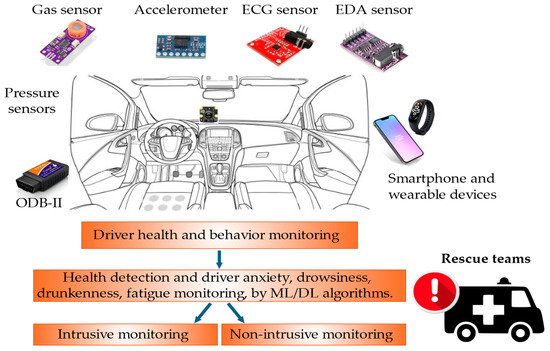
Turn signals now work with driver assistance systems. These systems use sensors to detect other vehicles and obstacles.
When the system senses danger, it can help control the turn signals. This warns other drivers and helps avoid crashes.
- Automatic lane change signals
- Collision warning alerts
- Better coordination with braking and steering
Credit: www.mdpi.com
Frequently Asked Questions
What Is The Main Purpose Of Turn Signal Systems?
Turn signals help drivers show their next move to others on the road, improving safety.
How Do Turn Signals Prevent Accidents?
They warn others about turns or lane changes, reducing surprise and collisions.
Are Turn Signals Required By Law?
Yes, most countries mandate using turn signals to follow traffic rules and avoid fines.
When Should Drivers Use Turn Signals?
Drivers should use signals before turning, changing lanes, or merging to alert others.
Can Faulty Turn Signals Cause Traffic Problems?
Yes, broken signals confuse other drivers and increase the risk of crashes and delays.
Conclusion
Turn signal systems keep drivers safe on the road. They clearly show your next move to others. This helps avoid accidents and confusion. Using turn signals shows respect for other drivers. It also follows traffic laws and reduces fines. Everyone benefits from clear communication while driving.
Always use your turn signals before turning or changing lanes. Simple actions make roads safer for all. Don’t forget: signaling is a small effort with big impact. Stay safe, alert, and responsible behind the wheel.