

Last Updated on June 17, 2026
Have you ever felt your brakes losing their grip just when you needed them the most? Your safety depends on how well your brakes perform, and that’s where brake bleeding tools come into play.
These simple yet powerful tools help remove air bubbles from your brake lines, making sure your brakes respond quickly and smoothly every time you press the pedal. If you want to keep your vehicle safe and avoid costly repairs, understanding the role of brake bleeding tools is a must.
Keep reading, and you’ll discover how these tools can save your brakes—and maybe even your life.

Credit: www.bgstechnic.com
Why Brake Bleeding Matters
Brake bleeding removes air bubbles from the brake lines. Air in the system can cause brake failure. Proper bleeding ensures brakes work safely and smoothly.
Using the right brake bleeding tools makes the process easier. These tools help keep the brake system free of air and old fluid.
Impact On Brake Performance
Air bubbles in the brake fluid reduce pressure on brake pads. This makes the brakes feel soft or spongy. It also increases stopping distance.
- Hard brake pedal means good pressure and no air
- Soft pedal shows air or leaks in the system
- Proper bleeding restores firm brake feel
- Better control and safety on the road
Common Brake Fluid Issues
| Issue | Cause | Effect |
|---|---|---|
| Air Contamination | Brake fluid exposed to air during service | Spongy brakes, reduced braking power |
| Old Fluid | Brake fluid ages and absorbs moisture | Corrosion, brake failure risk |
| Leaks | Damaged lines or seals | Loss of brake fluid, poor brake response |
Types Of Brake Bleeding Tools
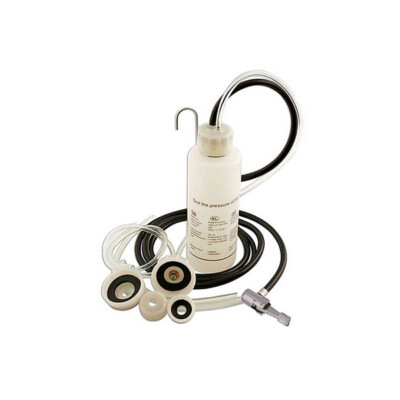
Brake bleeding tools help remove air from brake lines. Air in brake lines can cause poor brake performance.
Different tools make bleeding brakes easier. Each tool type works in a unique way.
Manual Brake Bleeders
Manual brake bleeders use hand pressure to push fluid through the brake lines. A person opens and closes a valve to let air escape.
These tools are simple and cost less. They need one person to pump the brake pedal while another opens the valve.
Vacuum Brake Bleeders
Vacuum brake bleeders create suction to pull air out of the brake system. They attach to the brake line and use a pump to make vacuum pressure.
These tools help one person do the job. They reduce the need to pump the brake pedal manually.
Pressure Brake Bleeders
Pressure brake bleeders push brake fluid into the system with air pressure. They connect to the brake fluid reservoir and force fluid through the lines.
This tool makes bleeding faster and easier. It also works well for modern brake systems with ABS.
How Tools Improve Safety
Brake bleeding tools help keep your vehicle safe. They remove air from brake lines.
Using the right tools makes brake maintenance easier and more effective. This improves safety on the road.
Removing Air Bubbles
Air bubbles in brake lines can cause brakes to feel soft or spongy. This lowers brake performance.
Brake bleeding tools force air out of the brake system. This keeps the brakes working well and safely.
- Tools create pressure to push air bubbles out
- They prevent brake fluid from leaking during bleeding
- Clear brake lines improve pedal feel and response
Ensuring Consistent Brake Pressure
Consistent brake pressure helps you stop smoothly and quickly. Uneven pressure can cause unsafe braking.
Brake bleeding tools keep pressure steady by removing air and old fluid. This helps brakes work the same every time.
- Tools keep brake fluid clean and fresh
- They help balance pressure on all brake lines
- Consistent pressure reduces wear on brake parts
Credit: hillsidewealth.ca
Choosing The Right Tool
Brake bleeding tools help remove air from brake lines. Picking the right tool makes the job easier and safer.
Different tools suit different brake systems. Consider your vehicle and skill level before buying a tool.
Compatibility With Vehicle Types
Some brake bleeding tools work with most vehicles. Others fit specific brands or brake systems only.
Check if the tool matches your vehicle’s brake system. This avoids damage and ensures proper bleeding.
- Standard tools fit most cars and trucks
- Special tools needed for ABS or electronic brakes
- Adapters may be required for certain brake calipers
- Always read the tool’s compatibility list before buying
Ease Of Use And Maintenance
Choose tools that are simple to operate. Clear instructions help avoid mistakes during brake bleeding.
Look for tools that are easy to clean and store. Durable materials last longer and save money.
- Tools with quick connectors speed up the process
- Transparent reservoirs help monitor fluid flow
- Reusable parts reduce waste and cost
- Regular cleaning prevents blockages and damage

Credit: www.amazon.ca
Frequently Asked Questions
What Is The Main Purpose Of Brake Bleeding Tools?
Brake bleeding tools remove air bubbles from brake lines to keep brakes working well.
How Do Brake Bleeding Tools Improve Vehicle Safety?
They ensure brakes respond quickly by removing trapped air that can cause brake failure.
Which Types Of Brake Bleeding Tools Are Commonly Used?
Common types include vacuum, pressure, and manual pump bleeders for different brake systems.
How Often Should Brake Bleeding Be Performed Using These Tools?
Bleeding should be done every 1-2 years or when brakes feel soft or spongy.
Can Brake Bleeding Tools Prevent Costly Brake Repairs?
Yes, regular bleeding keeps brakes efficient and prevents damage that leads to expensive fixes.
Conclusion
Brake bleeding tools keep your vehicle’s brakes working well. They help remove air from brake lines quickly and safely. Using the right tool makes the job easier and prevents brake failure. Regular brake maintenance improves driving safety and saves repair costs.
Choose tools that fit your needs and skill level. Remember, clean and well-functioning brakes protect you on the road. Proper brake bleeding is a small step with a big impact. Keep your brakes healthy for safe and smooth rides every time.