

Last Updated on June 17, 2026
Have you ever noticed a strange smell or felt stuffy inside your car? The secret behind fresh and clean air in your vehicle lies in one small but powerful part: the cabin air filter.
This tiny filter plays a huge role in protecting you and your passengers from dust, pollen, and harmful pollutants every time you hit the road. Understanding the role of cabin air filters can help you breathe easier and enjoy a healthier, more comfortable drive.
Keep reading to discover why this simple component deserves your attention and how it can make a real difference in your daily rides.
How Cabin Air Filters Work
Cabin air filters clean the air inside your vehicle. They trap dust, pollen, and other particles. This keeps the air fresh and safe for breathing.
These filters are part of the ventilation system. They work silently to improve air quality during every drive.
Air Filtration Process
Air from outside enters the vehicle through vents. The cabin air filter captures harmful particles before air reaches passengers.
- First, large debris like leaves and dust are caught.
- Next, smaller particles such as pollen are filtered out.
- Finally, some filters remove odors and harmful gases.
Types Of Cabin Air Filters
There are mainly three types of cabin air filters. Each type offers different levels of filtration.
| Filter Type | Description |
| Particle Filters | Trap dust and pollen |
| Activated Carbon Filters | Remove odors and gases |
| Electrostatic Filters | Attract small particles with static charge |
Maintenance And Replacement
Filters get dirty over time and lose effectiveness. Regular replacement keeps air clean and systems working well.
- Check the filter every 12,000 to 15,000 miles.
- Replace more often in dusty areas.
- Follow the vehicle manufacturer’s guidelines.

Credit: www.speedcraftnissan.com
Health Benefits Of Clean Cabin Air
Clean cabin air improves the comfort and safety of vehicle passengers. It helps protect your lungs and keeps you alert while driving.
Cabin air filters play a key role in removing dust, pollen, and harmful particles from the air inside your car. This keeps the air fresh and healthy to breathe.
Reduces Allergens And Irritants
Cabin air filters trap pollen, dust mites, and pet dander. This lowers the risk of allergic reactions during your drive. Clean air reduces sneezing, coughing, and itchy eyes.
- Blocks pollen from flowers and trees
- Removes dust particles from the air
- Traps pet hair and dander
- Prevents mold spores from entering the cabin
Protects Respiratory Health
Breathing clean air helps keep your lungs healthy. Cabin air filters reduce harmful pollutants like exhaust fumes and smoke. This protects passengers from breathing problems.
| Pollutant | Effect on Health |
| Exhaust Fumes | Causes headaches and breathing issues |
| Smoke | Triggers asthma and lung irritation |
| Dust | Leads to coughing and allergies |
Improves Driver Alertness And Comfort
Fresh air inside the car helps drivers stay awake and focused. It reduces fatigue and headaches caused by stale or polluted air. Clean cabin air improves your overall driving experience.
Tips to maintain clean cabin air:
- Replace cabin air filters every 12,000 miles or yearly
- Keep windows closed in heavy traffic
- Use the car’s recirculation mode wisely
- Clean the air vents regularly
Improving Comfort With Effective Filtration
Cabin air filters play a key role in keeping your vehicle’s interior clean. They filter dust, pollen, and other particles from the air you breathe inside.
Using the right cabin air filter helps improve comfort during every drive. It also protects passengers from allergens and pollution.
Cabin air filters trap dirt and particles from outside air before it enters the car. They use layers of filtering material to catch pollutants.
Clean air filters improve airflow and reduce bad odors inside the vehicle. This creates a fresher and more comfortable environment.
Benefits Of Effective Cabin Air Filtration
- Removes dust and pollen to reduce allergy symptoms
- Blocks harmful pollutants and exhaust fumes
- Prevents fogging on windows by controlling moisture
- Improves air quality and freshness inside the cabin
- Helps maintain HVAC system efficiency
Signs You Need To Replace Your Cabin Air Filter
| Sign | Description |
| Reduced airflow | Air vents blow less air than usual |
| Bad odors | Musty or stale smells inside the car |
| Increased dust | More dust buildup on dashboard and seats |
| Foggy windows | Windows fog up more easily and take longer to clear |
| Allergy symptoms | More sneezing, coughing, or watery eyes inside the vehicle |
Tips For Maintaining Cabin Air Filters
Keep your cabin air filter working well with these tips:
- Check the filter every 12,000 miles or once a year.
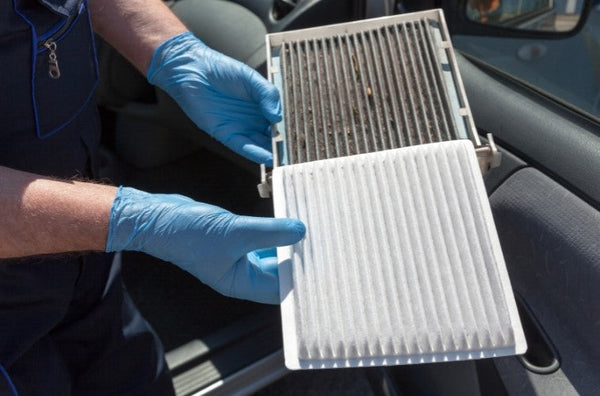
- Replace the filter if it looks dirty or clogged.
- Use filters that fit your vehicle model for best results.
- Keep windows closed in dusty or polluted areas.
- Have your HVAC system inspected during regular vehicle maintenance.
Credit: www.neodrift.in
Maintenance Tips For Cabin Air Filters
Cabin air filters keep the air inside your car clean. They block dust, pollen, and pollutants. Regular care helps the filter work well.
Good maintenance improves air quality and protects your health. It also helps your car’s ventilation system last longer.
Check Filter Condition Regularly
Look at the cabin air filter every 12,000 miles or once a year. If it looks dirty or clogged, it needs cleaning or replacement. A dirty filter reduces airflow and makes the air inside your car stale.
Replace Filters On Time
Filters lose their power after some time. Replace them as your car manual suggests. Usually, this is every 15,000 to 30,000 miles. A new filter gives better air quality and helps your AC system work well.
Keep The Filter Area Clean
Dirt can build up around the cabin air filter. Clean the filter housing and area when you change the filter. This stops dust from entering your car and keeps the filter working better for longer.
Use The Right Filter Type
Choose a filter that fits your car model. Some filters block allergens, while others reduce odors. Picking the right filter helps keep your car air fresh and healthy.
Tips To Extend Filter Life
- Park in shaded areas to reduce dust buildup
- Keep windows closed in dusty places
- Clean the car interior often to reduce dirt
- Avoid smoking inside the vehicle
- Use air recirculation mode during heavy traffic
Signs You Need To Service Your Cabin Air Filter
| Symptom | Possible Cause |
| Weak airflow from vents | Clogged filter |
| Unpleasant odor inside car | Dirty or moldy filter |
| Increased dust on dashboard | Filter not working well |
| Foggy windows inside car | Poor air circulation |
.png)
Credit: www.superspares.com.au
Frequently Asked Questions
What Is The Main Purpose Of A Cabin Air Filter?
A cabin air filter cleans the air inside your car by trapping dust, pollen, and pollutants.
How Often Should Cabin Air Filters Be Replaced?
Typically, cabin air filters should be changed every 12,000 to 15,000 miles or once a year.
Can A Dirty Cabin Air Filter Affect Car Air Quality?
Yes, a clogged filter reduces air flow and lets dust and allergens inside the car.
Does A Cabin Air Filter Improve Hvac System Performance?
Yes, a clean filter helps the heating and cooling system work better and last longer.
What Symptoms Indicate A Cabin Air Filter Needs Replacement?
Bad odors, weak airflow, and foggy windows often show it’s time to change the filter.
Conclusion
Cabin air filters keep the car’s air clean and fresh. They block dust, pollen, and harmful particles. A clean filter helps protect your health while driving. Changing the filter regularly improves air quality inside the car. It also helps the air conditioner and heater work better.
Simple care can make a big difference in comfort. Remember, a good filter means safer and more pleasant rides every time. Don’t forget to check it often for the best results.