

Last Updated on June 17, 2026
Have you ever wondered how your car’s engine stays cool even during long drives or hot weather? The secret lies in a small but powerful part: the grille.
You might think grilles are just about looks, but they play a crucial role in keeping your engine from overheating. Understanding how grilles work can help you appreciate your vehicle’s design and even spot potential cooling issues early. Keep reading to discover the surprising role of grilles in engine cooling and why they matter more than you might think.

Credit: www.youtube.com
How Grilles Aid Airflow
Grilles are important parts of a vehicle’s front end. They help move air into the engine area.
Good airflow keeps the engine cool and stops it from getting too hot.
Directing Cool Air To Engine
Grilles guide fresh air straight to the engine. This air helps cool down engine parts.
The design of the grille controls how much air flows inside. More air means better cooling.
- Open spaces in grilles allow more air in
- Grille shape focuses air toward the engine
- Airflow helps keep engine temperature stable
Reducing Heat Build-up
Grilles help heat escape from the engine area. This stops heat from building up inside.
By letting hot air out, grilles reduce engine wear and improve performance.
- Cool air enters through the grille
- Hot air moves out to keep engine cool
- Less heat means the engine works better
Material Choices For Grilles
Grilles help cool an engine by allowing air to flow through it. The material used for grilles affects how well they work.
Choosing the right material is important for both performance and durability. Different materials have unique features.
Impact On Heat Dissipation
Some materials let heat pass through better than others. Good heat dissipation helps the engine stay cool.
Metal grilles, like aluminum, conduct heat well. This helps remove heat from the engine area quickly.
- Aluminum is lightweight and transfers heat fast
- Steel also conducts heat but is heavier
- Plastic usually does not conduct heat well
Durability And Maintenance
Strong materials last longer and need less fixing. This saves time and money over the grille’s life.
Metal grilles resist damage but may rust if not treated. Plastic grilles avoid rust but can crack.
- Aluminum resists rust and is durable
- Steel is strong but may need rust protection
- Plastic is light and easy to clean
- Plastic may fade or crack over time
Design Variations And Their Effects
Grilles play a key role in engine cooling by controlling airflow. Their design affects how well the engine stays cool and how the vehicle moves through air.
This article looks at two important design aspects of grilles: open versus closed patterns, and how aerodynamics link to cooling efficiency.
Open Vs. Closed Grille Patterns
Open grilles allow more air to pass through and cool the engine directly. Closed grilles limit airflow but can improve the car’s appearance and reduce drag.
- Open Grilles:Better engine cooling due to increased airflow.
- Closed Grilles:Improved style and protection but less cooling.
- Hybrid Designs:Balance cooling and aerodynamics with partial openings.
Aerodynamics And Cooling Efficiency
Grille design affects how air moves over and through a vehicle. Good airflow reduces engine heat and improves fuel efficiency.
| Design Type | Aerodynamic Impact | Cooling Efficiency |
|---|---|---|
| Open Grille | Higher drag, more air resistance | High, due to maximum airflow |
| Closed Grille | Lower drag, better fuel economy | Low, limited air to engine |
| Hybrid Grille | Balanced drag and airflow | Moderate, optimized cooling |
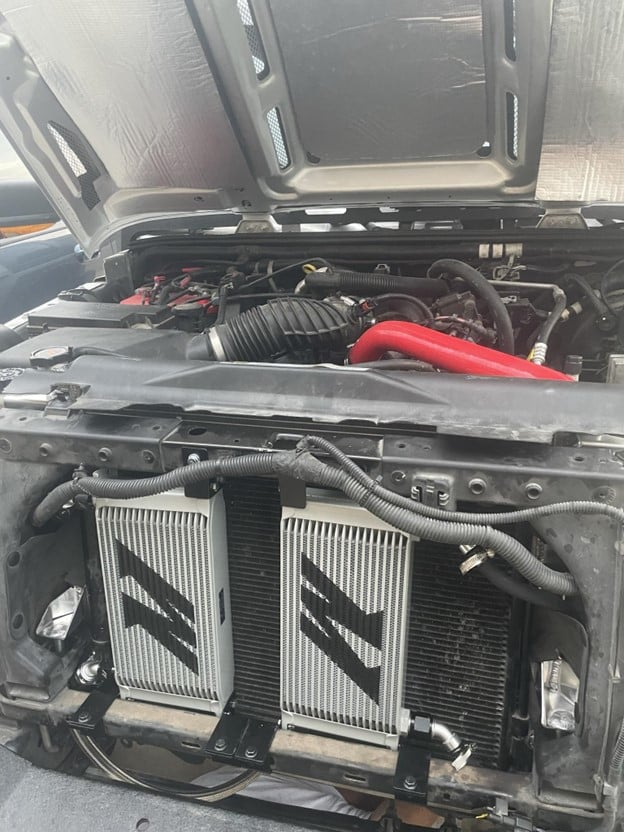
Credit: www.extremeterrain.com
Grilles And Engine Longevity
Grilles play an important role in keeping an engine cool. They allow air to flow into the engine area. This helps to control the engine temperature.
Good airflow through grilles can increase the life of an engine. It prevents damage caused by heat build-up inside the engine.
Preventing Overheating
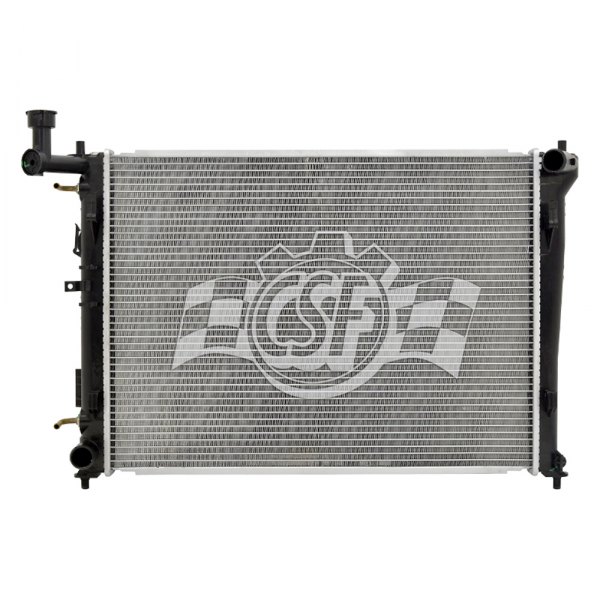
Grilles help air reach the radiator and engine parts. This air cools down the engine. Without enough air, engines can get too hot.
When the engine stays cool, it works better. Overheating can cause engine parts to wear out fast or fail. Grilles stop this by letting fresh air in.
- Allow constant airflow to engine
- Help radiator cool the engine coolant
- Reduce risk of engine damage from heat
- Keep engine temperature within safe limits
Enhancing Performance Reliability
When the engine stays at the right temperature, it runs smoothly. Grilles keep the engine from getting too hot or too cold.
This balance helps the engine perform well all the time. It also means fewer breakdowns and repairs are needed.
- Maintain steady engine temperature
- Prevent engine parts from overheating
- Improve fuel efficiency by cooling engine
- Support long-term engine health
Credit: www.carid.com
Frequently Asked Questions
What Is The Main Purpose Of Engine Cooling Grilles?
Engine cooling grilles let air flow into the engine area to cool down hot parts.
How Do Grilles Affect Engine Temperature Control?
Grilles help control engine temperature by improving air circulation and heat release.
Can Grille Design Impact Vehicle Fuel Efficiency?
Yes, good grille design reduces air drag, which can improve fuel efficiency.
Why Are Some Engine Grilles Larger Than Others?
Larger grilles allow more air for bigger engines needing extra cooling power.
How Do Grilles Protect The Engine From Debris?
Grilles block dirt and stones while letting air in to keep the engine safe.
Conclusion
Grilles help air flow into the engine to keep it cool. They stop the engine from getting too hot during driving. Without grilles, the engine might overheat and stop working well. Car makers design grilles to let enough air in while protecting the engine.
Choosing the right grille can improve cooling and engine life. A good grille keeps your car running strong and safe. Simple but important parts like grilles make a big difference.