

Last Updated on June 17, 2026
If you want to unlock your vehicle’s true potential, understanding the role of the ECU in performance tuning is a game-changer. Your ECU, or Engine Control Unit, is like the brain of your car, controlling how every part of the engine works together.
By tuning this powerful component, you can boost power, improve fuel efficiency, and get a smoother driving experience. Ready to see how your car’s performance can transform? Keep reading to discover the secrets behind ECU tuning and how it puts you in control of your ride.

Credit: www.zelvant.com
Ecu Basics
The ECU stands for Engine Control Unit. It is a computer that controls many parts of a vehicle’s engine.
The ECU helps the engine run smoothly and efficiently. It adjusts settings based on data it receives from sensors.
What The Ecu Controls
The ECU controls many engine functions to keep the car running well. It manages fuel, air, and ignition timing.
It also controls the idle speed and emissions systems. The ECU makes sure the engine uses fuel efficiently.
- Fuel injection timing and amount
- Air-fuel mixture balance
- Ignition timing for spark plugs
- Idle speed control
- Emission control systems
How The Ecu Affects Engine Performance
The ECU changes engine settings to improve power and fuel efficiency. It adjusts parameters based on driving conditions.
By tuning the ECU, you can increase horsepower and torque. It also helps reduce fuel consumption and emissions.
- Optimizes fuel delivery for better combustion
- Adjusts ignition timing for more power
- Controls boost pressure in turbo engines
- Improves throttle response and acceleration
- Reduces engine knocking and misfires
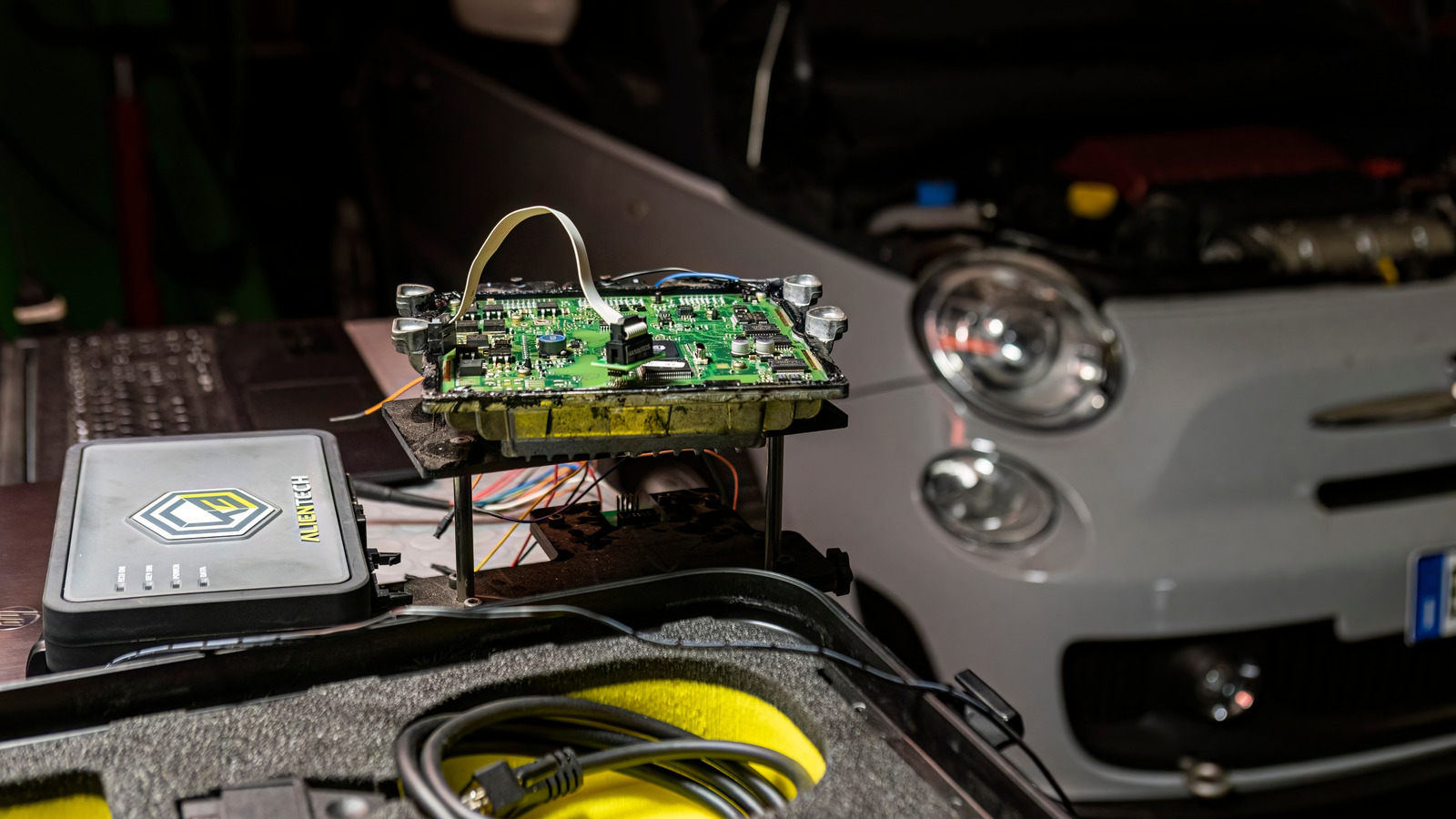
Credit: www.slashgear.com
Tuning Techniques
The ECU controls the engine’s performance by managing fuel and air. Tuning the ECU changes how the engine behaves.
Tuning techniques improve power, fuel efficiency, and throttle response. These methods adjust the ECU’s settings.
Software Reflashing
Software reflashing updates the ECU’s firmware. It replaces the original software with new tuning data.
This process changes parameters like fuel injection timing and boost pressure. It is done using a special tool connected to the car.
- Improves engine power and torque
- Can increase fuel efficiency
- Allows quick changes without hardware swaps
Chip Tuning
Chip tuning replaces or modifies the ECU’s memory chip. It changes stored data to improve engine control.
This technique adjusts fuel maps, ignition timing, and boost levels. It often requires opening the ECU casing.
- Offers a physical change to ECU settings
- Can provide strong performance gains
- Needs technical skill to install safely
Custom Maps
Custom maps are tailored ECU settings made for specific engines or uses. They optimize performance for conditions or parts.
Tuners create maps by testing and adjusting fuel, air, and ignition values. Custom maps can target power, economy, or driveability.
- Designed for individual car setups
- Improves engine response and efficiency
- Requires expert tuning tools and knowledge
Benefits Of Ecu Tuning
The Engine Control Unit (ECU) controls many parts of a car’s engine. Tuning the ECU changes how the engine runs.
ECU tuning can improve a car’s power, fuel use, and response. It adjusts settings to fit driving needs.
Increased Horsepower
ECU tuning can raise the engine’s horsepower. It changes fuel and air mix to burn better.
More horsepower means the car can accelerate faster and pull heavier loads.
Improved Fuel Efficiency
Tuning the ECU can also help the engine use fuel more wisely. It adjusts timing and fuel injection.
This means the car can travel farther on the same amount of fuel, saving money and resources.
Enhanced Throttle Response
Throttle response is how fast the car reacts when you press the gas pedal. ECU tuning can make this quicker.
A better throttle response gives you more control and a smoother driving experience.

Credit: mychiptuningfiles.com
Risks And Considerations
Changing the ECU settings can improve car performance. It also comes with risks and things to think about. Understanding these helps keep your car safe and legal.
Below are key points about engine damage, warranty, and legal issues. Each section explains what to watch for during tuning.
Potential Engine Damage
Adjusting ECU settings may push the engine beyond its design limits. This can cause overheating and wear on parts. Poor tuning can lead to serious engine problems.
- Increased cylinder pressure can cause engine knock.
- Too much fuel or timing changes may damage pistons.
- Overheating risks rise with aggressive tuning.
- Incorrect air-fuel mix harms engine components.
Warranty Implications
Modifying the ECU often voids car warranty. Manufacturers may refuse repairs if tuning caused damage. This can lead to high repair costs paid out of pocket.
| Warranty Aspect | Effect of ECU Tuning |
| Engine Coverage | May be voided if damage is linked to tuning |
| Emission Systems | Repairs may not be covered if altered |
| Transmission | Warranty may be lost due to tuning stress |
Legal And Emissions Issues
Changing the ECU can break laws about emissions and noise. Cars must meet rules to stay street legal. Illegal tuning risks fines and failed inspections.
Common legal issues include:
- Failing emissions tests due to altered fuel maps
- Exceeding noise limits with modified engine settings
- Using software that disables pollution controls
- Non-compliance with local vehicle regulations
Frequently Asked Questions
What Is The Ecu’s Function In Performance Tuning?
The ECU controls engine parts to improve power, fuel use, and response during tuning.
How Does Ecu Tuning Boost Car Performance?
ECU tuning changes engine settings to increase horsepower and torque safely.
Can Ecu Tuning Improve Fuel Efficiency?
Yes, it can adjust fuel and air mix for better mileage without hurting power.
Is Ecu Tuning Safe For My Car’s Engine?
Proper tuning keeps engine parts safe and avoids damage if done correctly.
What Tools Are Used For Ecu Performance Tuning?
Special software and devices connect to the ECU to change and save new settings.
Conclusion
The ECU plays a key role in car performance tuning. It controls fuel, air, and timing settings. Tuning the ECU helps the engine run better and faster. Small changes can improve power and fuel use. It also keeps the engine safe from damage.
Understanding the ECU gives you more control over your vehicle. Performance tuning is not just about speed. It’s about making your car work smarter. The ECU is the brain behind these changes. Knowing how it works helps you make smart choices.