

Last Updated on June 17, 2026
Have you noticed your car’s brakes feeling different lately? If your brake pedal feels hard or your stopping distance has increased, your brake booster might be failing.
Ignoring these signs can put you and others in danger on the road. You’ll learn the key warning signs of a failing brake booster and what you can do to stay safe. Keep reading to protect yourself and your vehicle before it’s too late.
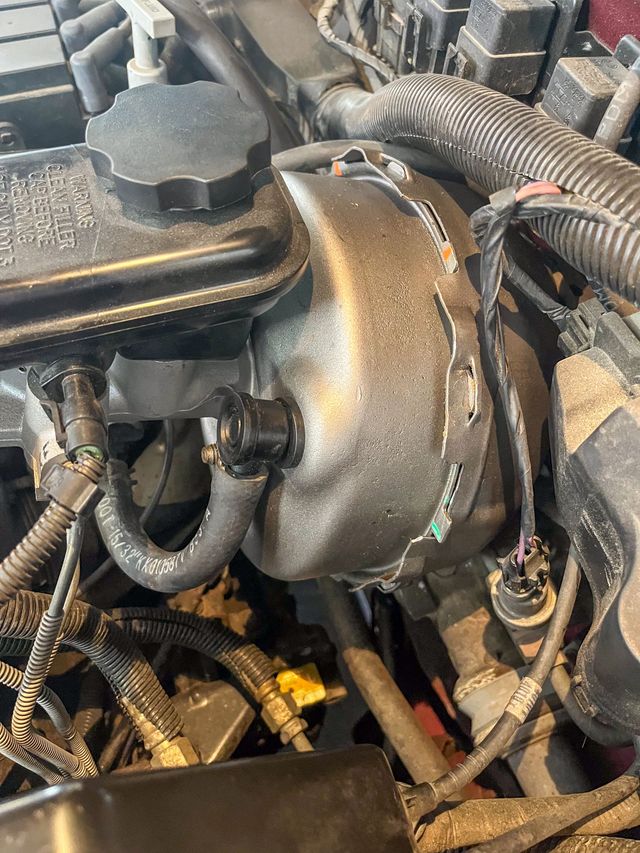
Credit: www.branghamautorepair.com
Common Symptoms
A brake booster helps make braking easier by increasing pressure. When it fails, you may notice changes in how your brakes feel. Recognizing these signs early can keep you safe on the road.
Below are common symptoms that show a brake booster might be failing. Watch for these signs to know when to get your brakes checked.
Increased Pedal Effort
If your brake booster is failing, you might feel the brake pedal is harder to press. This means you need to use more force to stop the car.
Here are some reasons why pedal effort increases:
- Loss of vacuum pressure inside the booster
- Damaged or leaking booster diaphragm
- Faulty check valve allowing air back into the system
Spongy Brake Pedal
A spongy brake pedal feels soft and sinks too easily when pressed. This can happen if the brake booster is not working right.
| Cause | Effect on Brakes |
| Air leak in brake booster | Soft pedal feel |
| Fluid leak or low brake fluid | Reduced brake pressure |
| Damaged booster diaphragm | Loss of vacuum assist |
Hissing Noise
A hissing sound when pressing the brake pedal can mean air is leaking from the brake booster. This noise is a key sign of a vacuum leak.
Common reasons for the hissing noise include:
- Cracked vacuum hose
- Failed booster seal
- Loose or damaged check valve
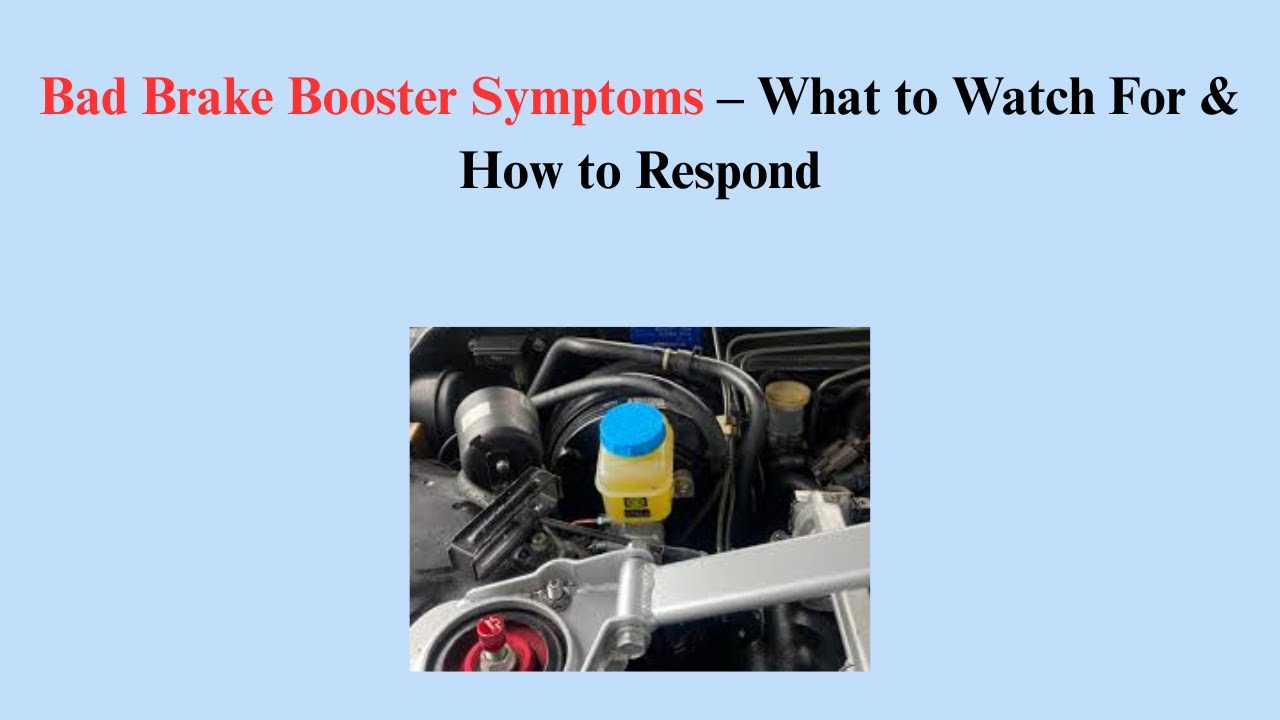
Credit: www.youtube.com
Brake Performance Issues
The brake booster helps you stop your car safely. If it fails, your brakes may not work well. This can make driving dangerous.
Watch for signs that your brake booster is failing. These signs affect how your brakes respond when you press the pedal.
Longer Stopping Distances
A failing brake booster can make your car take longer to stop. This happens because the booster does not help as much as it should.
- You press the brake pedal hard but the car slows down slowly.
- The brake pedal feels stiff and needs more force to push down.
- Your car may feel unsafe in traffic or on hills.
- It can increase the risk of accidents due to delayed stopping.
Brake Pedal Stuck Or Slow Return
The brake pedal may stick or take time to come back up after you release it. This is a warning sign of brake booster trouble.
| Symptom | Possible Cause |
| Brake pedal stays down | Internal booster leak |
| Pedal slowly returns | Vacuum hose damage |
| Hard pedal feel | Loss of vacuum pressure |
Visual And Physical Clues
A failing brake booster shows signs that you can see and feel. These clues help you find problems early.
Look for leaks, damage, and changes in how your brake pedal feels. These signs warn of booster issues.
Fluid Leaks Near Booster
Check around the brake booster for brake fluid leaks. Fluid here means a seal or master cylinder may fail.
- Look under the booster for wet spots or puddles.
- Inspect brake lines near the booster for cracks or breaks.
- Notice any brake fluid smell or residue on parts.
- Leaks can cause brake failure or reduced power assist.
Damaged Vacuum Hose
The vacuum hose connects the engine to the booster. Damage here reduces brake power assist.
| Damage Type | Effect on Brake Booster |
| Cracks | Air leaks reduce vacuum pressure |
| Holes | Loss of brake assist power |
| Disconnected hose | Brake pedal becomes hard to press |
| Loose clamps | Vacuum loss and unstable braking |
Safety Risks And Next Steps
The brake booster helps you stop your car easily. When it fails, brakes may not work well. This can be very dangerous on the road.
Knowing the signs of a failing brake booster can keep you safe. It also helps you decide when to get help from a mechanic.
Potential Accident Hazards
A failing brake booster can cause many problems. Your car may take longer to stop or the brake pedal might feel hard. These issues raise the chance of accidents.
- Longer stopping distance on roads
- Hard or stiff brake pedal
- Engine stalls when brakes are applied
- Brake warning lights on the dashboard
- Car pulls to one side while braking
When To Seek Professional Help
If you notice any brake problems, do not wait. A trained mechanic can find the cause and fix it safely. Ignoring these signs puts you and others at risk.
| Signs | Action |
| Brake pedal feels hard | Visit mechanic immediately |
| Engine stalls when braking | Stop driving and call for help |
| Brake warning light on | Have car checked soon |
| Car pulls when braking | Schedule inspection quickly |
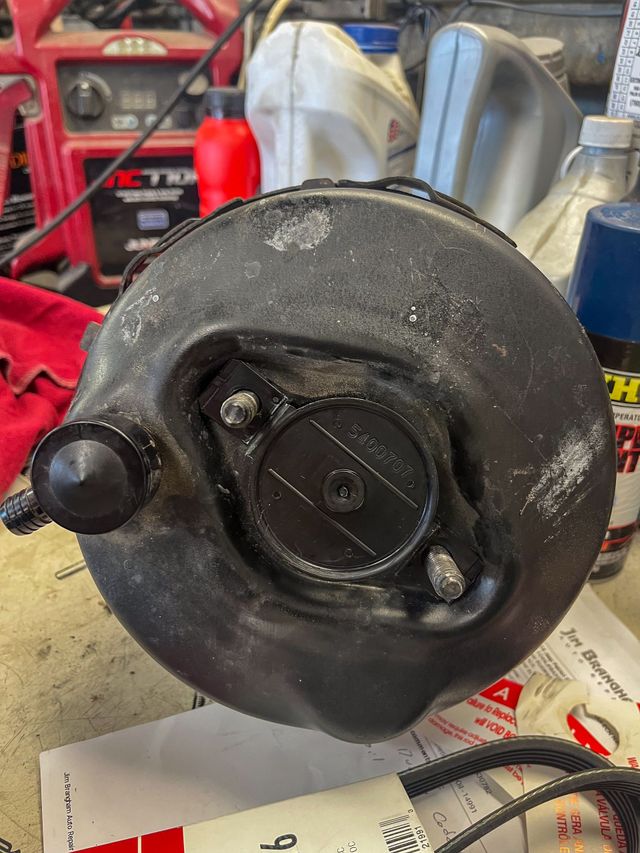
Credit: www.branghamautorepair.com
Frequently Asked Questions
What Are Common Signs Of A Failing Brake Booster?
A hard brake pedal and longer stopping distance often signal brake booster issues.
How Does A Bad Brake Booster Affect Braking?
It makes the brake pedal stiff and brakes less responsive, needing more force.
Can A Failing Brake Booster Cause Engine Problems?
Yes, it can cause rough idling or engine stalling due to vacuum leaks.
Is It Safe To Drive With A Failing Brake Booster?
Driving is risky; brakes may not work well, increasing accident chances.
How To Test If The Brake Booster Is Failing?
Press the brake with engine off, then start engine; pedal should drop slightly.
Conclusion
A failing brake booster shows clear signs you should not ignore. Strange noises, hard brake pedals, or longer stopping distances all signal trouble. These issues affect your safety on the road every day. Catching problems early can save money and avoid accidents.
Regular checks keep your brakes working well and your drive safe. Stay alert to these warning signs and act quickly. Your car and your safety depend on it.