

Last Updated on June 17, 2026
Have you ever wondered how skilled drivers control their brakes so smoothly, avoiding sudden stops and maintaining full control? That skill comes down to something called brake modulation.
Understanding brake modulation can make a big difference in how you drive, helping you stop safely and confidently every time. You’ll discover exactly what brake modulation is, why it matters, and how you can use it to improve your driving.
Keep reading—you’re about to unlock a simple yet powerful technique that could change the way you handle your vehicle.
Credit: www.bikemag.com
Brake Modulation Basics
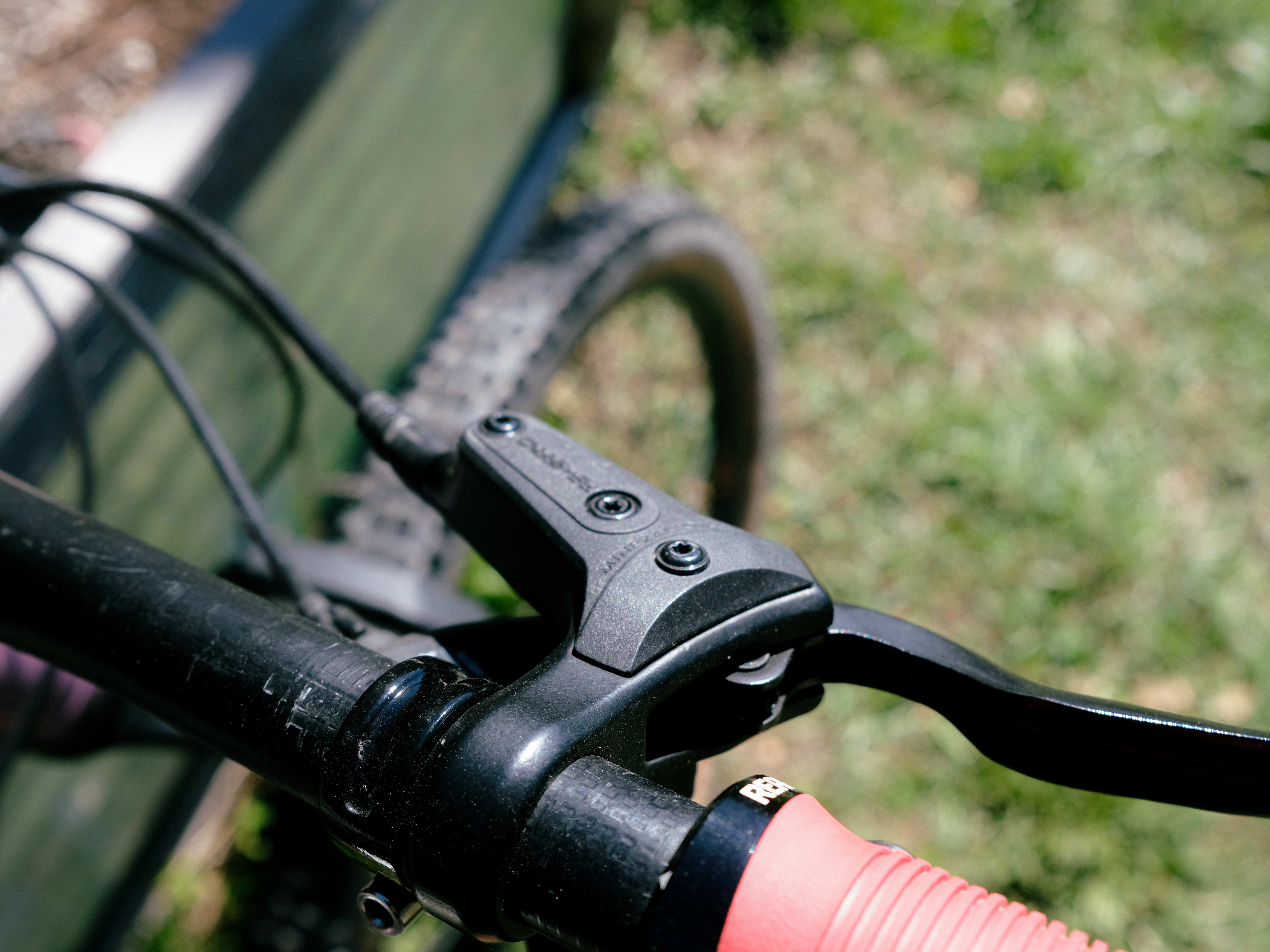
Brake modulation means controlling how much braking force you apply. It helps you stop smoothly and safely.
Good brake modulation prevents skidding and keeps the vehicle stable during braking.
How Brake Modulation Works
Brake modulation works by adjusting pressure on the brakes. The driver or system changes force to slow the vehicle safely.
This control lets you avoid locking the wheels. It keeps tires gripping the road better.
Types Of Brake Systems
There are several brake systems. Each controls braking differently to help with modulation.
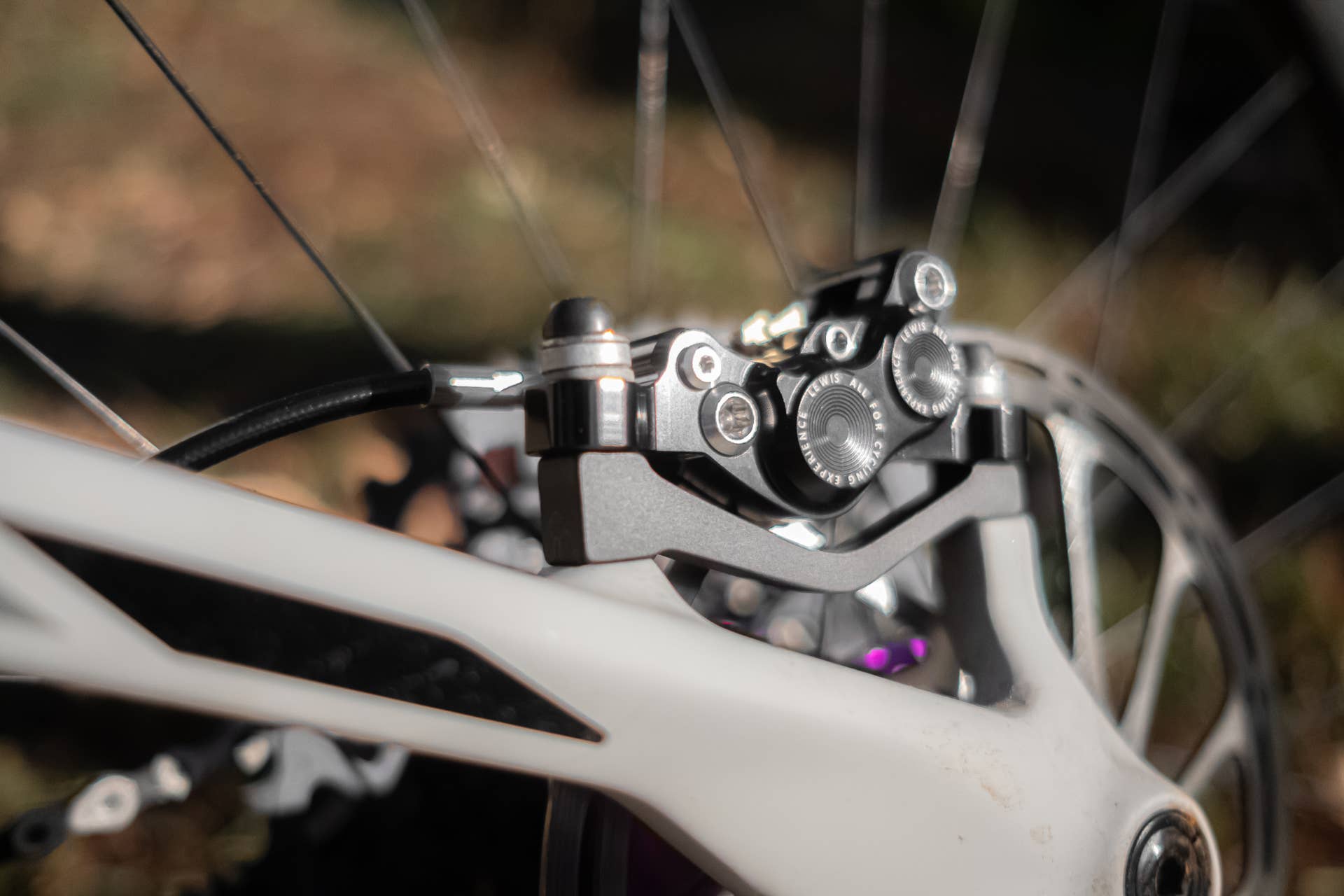
- Disc brakes use calipers to squeeze pads on a rotor.
- Drum brakes push shoes against a drum to create friction.
- Anti-lock Braking System (ABS) stops wheels from locking.
- Electronic Brakeforce Distribution (EBD) balances brake force.
Credit: www.bikemag.com
Benefits Of Brake Modulation
Brake modulation helps drivers control their vehicle better while stopping. It adjusts the brake pressure to avoid wheel lockup.
This system improves safety and driving comfort by making braking smoother and more effective.
Improved Vehicle Control
Brake modulation keeps the wheels from locking during hard braking. This helps the driver steer the vehicle.
When the wheels keep rolling, the driver can avoid obstacles and keep the car on the road.
- Prevents wheel lockup
- Maintains steering ability
- Improves handling on slippery roads
Enhanced Safety In Emergencies
Brake modulation helps drivers stop quickly and safely in emergency situations. It prevents skidding and loss of control.
The system adjusts braking force to keep the car stable, reducing the risk of accidents.
- Reduces chance of skidding
- Keeps vehicle stable during sudden stops
- Helps maintain control on wet or icy roads
Techniques For Effective Brake Modulation
Brake modulation means controlling brake pressure smoothly. It helps keep control and avoid sudden stops.
Using the right techniques makes braking safer and more comfortable for everyone on the road.
Smooth Pressure Application
Apply brake pressure gently and increase it step by step. This avoids locking the wheels and slipping.
- Start by pressing the brake pedal lightly.
- Increase pressure steadily as you slow down.
- Release pressure smoothly to avoid jerks.
- Practice to get a feel for your vehicle’s brakes.
Adjusting To Road Conditions
Road surfaces change braking needs. Wet or icy roads need softer and longer brake application.
| Road Condition | Brake Modulation Tip |
| Dry pavement | Apply moderate pressure steadily |
| Wet roads | Use gentle pressure and increase slowly |
| Gravel or dirt | Brake lightly to avoid skidding |
| Ice or snow | Brake very gently and early |
Common Mistakes To Avoid
Brake modulation helps you control the brake pressure. It improves safety and smoothness while driving. Many drivers make simple mistakes that hurt their control.
Knowing what to avoid can keep your braking safe and effective. Let’s look at common errors that reduce brake modulation.
Overbraking Issues
Overbraking means pressing the brake too hard or for too long. This can cause the wheels to lock up or skid. It reduces your ability to steer and stop safely.
Drivers often slam on the brakes in panic. This leads to jerky stops and longer stopping distances. Brake modulation means applying just the right pressure.
- Press brakes gently and increase pressure slowly
- Avoid sudden, hard braking unless necessary
- Practice smooth braking to keep control
Ignoring Brake Feedback
Brake feedback is the feel you get through the brake pedal. It tells you how much pressure you are applying. Ignoring this feedback leads to poor control.
Many drivers push the pedal blindly. This causes over or under braking. Pay attention to how the brake feels and respond accordingly.
- Feel the pedal pressure and adjust smoothly
- Listen for brake noises and vibrations
- Use feedback to avoid skids and lockups

Credit: www.freepik.com
Frequently Asked Questions
What Is Brake Modulation In Simple Terms?
Brake modulation means controlling brake pressure to stop smoothly and safely.
Why Is Brake Modulation Important For Driving?
It helps avoid wheel lock and keeps the vehicle steady during braking.
How Does Brake Modulation Improve Vehicle Safety?
It prevents skidding and maintains steering control in emergency stops.
Can Brake Modulation Reduce Brake Wear And Tear?
Yes, it helps apply brakes gently, which lowers brake system wear.
Is Brake Modulation Used In Modern Cars?
Most modern cars have systems that assist with brake modulation automatically.
Conclusion
Brake modulation helps drivers control their vehicle safely and smoothly. It allows better stopping power without locking the wheels. This skill improves driving confidence and prevents accidents. Understanding brake modulation can make driving easier for everyone. Practice it regularly to feel the difference in control.
Safe driving starts with small, smart actions like this. Remember, smooth braking means safer roads for all. Keep learning and stay alert behind the wheel.