

Last Updated on June 17, 2026
Have you ever wondered how different parts of your vehicle talk to each other so quickly and smoothly? That’s where the CAN Bus system comes in.
It’s a hidden network inside your car that helps everything work together perfectly—from the engine to your dashboard lights. Understanding what CAN Bus is can help you grasp how modern vehicles stay reliable and smart. Keep reading to discover how this technology impacts your driving experience and why it’s important for your car’s performance.
Credit: jerry.ai
Basics Of Can Bus
CAN Bus is a communication system used in vehicles. It helps different parts talk to each other.
This system makes vehicle electronics work together smoothly and safely.
Can Bus Definition
CAN stands for Controller Area Network. It is a network inside vehicles.
It allows electronic devices to send and receive data quickly and reliably.
How Can Bus Works
CAN Bus uses a two-wire system to connect devices. These wires carry signals back and forth.
Each device can send messages to all other devices on the network. Messages have priority levels.
- Devices send data in short packets
- Higher priority messages go first
- Bus checks for errors in messages
- Devices resend messages if errors occur
Key Components
The CAN Bus system has important parts that make it work well.
- CAN Controller:Manages message sending and receiving
- Transceiver:Converts signals between controller and wires
- Bus Wires:Two wires that carry signals across devices
- Nodes:Electronic units like sensors or control modules

Credit: medium.com
Can Bus Protocols
CAN Bus is a communication system used in vehicles. It helps different parts talk to each other.
The CAN Bus protocol controls how messages are sent and received. It makes sure the data is clear and fast.
Standard Vs Extended Frame
The CAN Bus uses two types of frames: standard and extended. Frames carry the data between vehicle parts.
The standard frame uses 11 bits for the ID. The extended frame uses 29 bits for more detailed IDs.
- Standard frame: 11-bit ID, simpler and shorter
- Extended frame: 29-bit ID, more information
- Both frames include control and data fields
Message Prioritization
CAN Bus assigns priority to messages by their ID. Lower ID means higher priority.
If two messages send at the same time, the one with higher priority goes first. The other waits.
- Priority based on message ID number
- Lower ID wins the bus access
- Helps avoid message collisions
Error Handling
CAN Bus has ways to detect and fix errors. It checks message data for mistakes.
When an error is found, the system stops the message. It sends a signal to try again.
- Error detection with checksums and bit monitoring
- Automatic message retransmission on error
- Helps keep data reliable and safe
Applications In Vehicles
CAN Bus is a communication system used in vehicles. It helps different parts of a car talk to each other quickly and reliably.
This system reduces the need for many wires. It makes vehicle electronics easier to manage and more efficient.
Engine Control
CAN Bus connects the engine control unit with sensors and actuators. It sends data about fuel, air, and engine speed.
This helps the engine run smoothly and saves fuel. It also reduces harmful emissions by adjusting engine parts in real time.
Safety Systems
Safety features like airbags and anti-lock brakes use CAN Bus to share information. This allows quick response during emergencies.
Data from sensors is sent instantly to the control units. It helps keep passengers safe by activating systems at the right time.
- Airbag deployment signals
- Anti-lock braking system status
- Traction control adjustments
Infotainment Integration
CAN Bus links infotainment devices like radios and navigation systems. It allows these devices to work with vehicle controls.
Drivers can control music and maps using buttons on the steering wheel. The system sends commands through the CAN Bus network.
Troubleshooting And Maintenance
The Controller Area Network Bus, or Can Bus, connects vehicle electronics. It allows parts to talk to each other quickly and safely. Proper troubleshooting and maintenance keep the system running well.
This guide covers common issues, useful tools, and best practices. It helps you find and fix Can Bus problems in vehicles.
Common Issues
Can Bus problems can cause many vehicle errors. Some common issues include wiring faults, connector problems, and sensor failures.
- Broken or damaged wires
- Loose or corroded connectors
- Interference from other electronics
- Faulty sensors sending wrong data
- Software errors in control modules
Diagnostic Tools
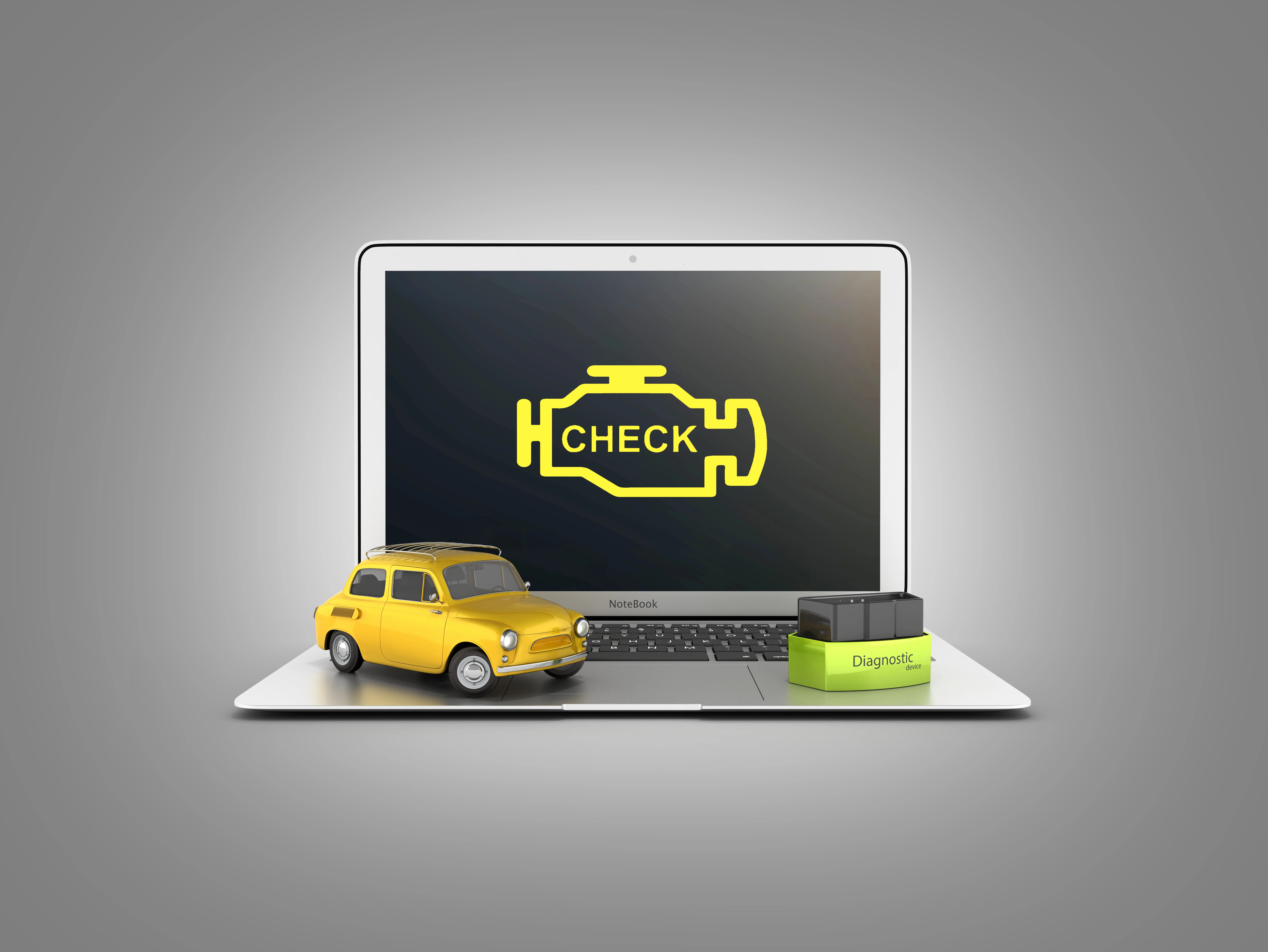
Using the right tools helps find Can Bus faults quickly. Mechanics use scanners and testers to read error codes and check signals.
| Tool | Use |
| OBD-II Scanner | Reads fault codes from vehicle systems |
| Can Bus Analyzer | Monitors Can Bus traffic and detects errors |
| Multimeter | Tests wiring and voltage levels |
| Oscilloscope | Shows signal waveforms for deeper analysis |
Best Practices
Follow these steps to keep Can Bus systems healthy and avoid faults.
- Inspect wiring and connectors regularly for damage.
- Keep connectors clean and free from corrosion.
- Use quality replacement parts when repairing.
- Update vehicle software as recommended by the manufacturer.
- Test the system after repairs to confirm the issue is fixed.
Credit: www.bestcaraudio.com
Frequently Asked Questions
What Is Can Bus In Vehicles?
CAN Bus is a system that allows different parts of a vehicle to communicate with each other.
How Does Can Bus Improve Vehicle Performance?
It helps parts share information quickly, making the vehicle work more smoothly and efficiently.
Which Vehicles Use Can Bus Technology?
Most modern cars, trucks, and buses use CAN Bus for better control and safety.
What Are Common Problems With Can Bus Systems?
Issues often include wiring faults, message errors, or faulty control modules.
How Does Can Bus Enhance Vehicle Safety?
It enables quick data exchange between safety systems like airbags and brakes for faster response.
Conclusion
Can Bus helps different parts of a vehicle talk to each other. It makes cars safer and easier to fix. Many modern vehicles use Can Bus to control lights, engines, and brakes. Understanding Can Bus shows how technology improves driving.
It plays a big role in car design today. Knowing this system helps you see how cars work inside. Simple, smart, and useful. Can Bus is a key part of vehicle communication.