

Last Updated on June 17, 2026
Have you ever wondered what makes steering your car feel so smooth and effortless? That’s where Electric Power Steering, or EPS, comes into play.
It’s the hidden technology that helps you turn the wheel with ease, giving you better control and a safer drive. If you want to understand how this system works and why it matters for your daily driving experience, keep reading.
You’ll discover how EPS can improve your comfort, save energy, and even boost your vehicle’s performance. Let’s dive into the world of Electric Power Steering and see what it means for you behind the wheel.
Credit: www.cardekho.com
Electric Power Steering Basics
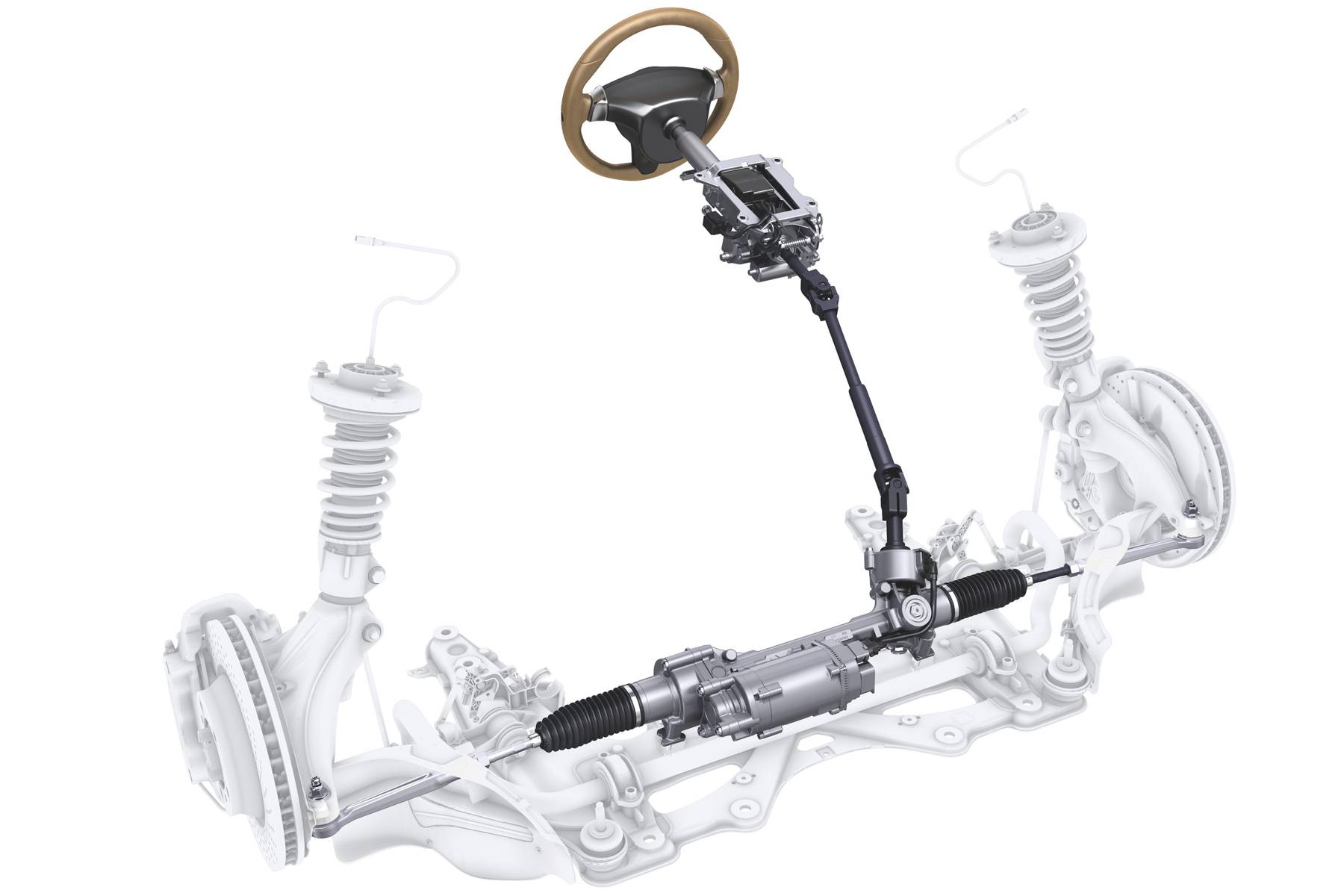
Electric Power Steering (EPS) helps drivers turn the steering wheel with less effort. It uses an electric motor to assist the driver.
EPS replaces older hydraulic systems. It is lighter and uses less energy, improving fuel efficiency.
How It Works
EPS uses sensors to detect how much the driver turns the wheel. Then, an electric motor adds extra force to help turn the wheels.
The system adjusts the motor’s power based on driving speed. At low speeds, it gives more help for easy parking. At high speeds, it gives less help for better control.
Types Of Eps Systems
There are three main types of EPS systems. They differ by where the electric motor is placed.
- Column Assist EPS:The motor is on the steering column. It helps turn the steering shaft.
- Pinion Assist EPS:The motor is near the pinion gear. It directly helps the gear that moves the wheels.
- Rack Assist EPS:The motor is on the steering rack. It pushes the rack to turn the wheels.
Advantages Of Electric Power Steering
Electric power steering helps drivers steer cars with less effort. It uses an electric motor instead of a hydraulic system.
This system offers many benefits that improve driving and car maintenance.
Fuel Efficiency
Electric power steering consumes less energy than hydraulic systems. It only uses power when needed, saving fuel.
Cars with electric power steering often get better gas mileage because the engine works less hard.
Improved Handling
This system offers smoother and more precise steering control. It adjusts assistance based on speed and road conditions.
- Easy steering at low speeds for parking
- Firm steering at high speeds for stability
- Better feel of the road for the driver
Reduced Maintenance
Electric power steering has fewer moving parts than hydraulic systems. It does not require fluid changes or pumps.
| Maintenance Task | Hydraulic System | Electric System |
| Fluid Changes | Needed regularly | Not required |
| Pump Repairs | Possible wear and leaks | None |
| Overall Cost | Higher | Lower |
Key Components Of Eps
Electric Power Steering (EPS) helps drivers steer cars easily. It uses electric power instead of hydraulic systems.
The system has key parts that work together to make steering smooth and safe.
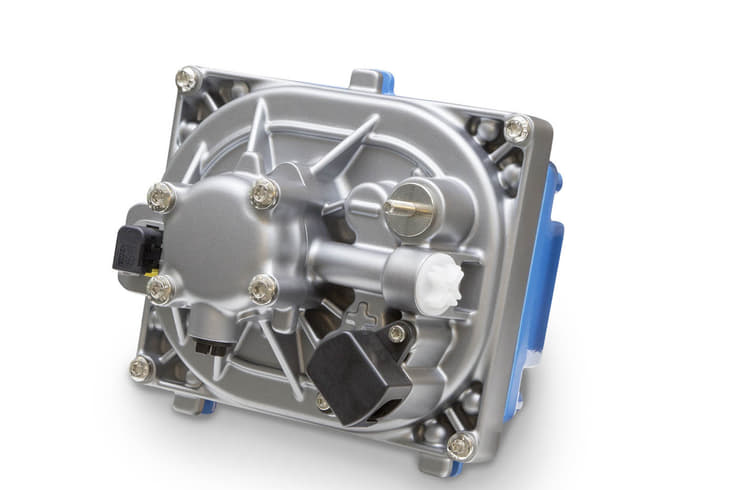
Electric Motor
The electric motor gives the steering system power. It helps turn the wheels with less effort.
This motor adjusts the force based on how the driver moves the steering wheel.
Sensors
Sensors detect how the driver turns the steering wheel. They measure the angle and speed of turning.
These sensors send information to the control module to help adjust the motor power.
Control Module
The control module is the system’s brain. It receives data from sensors and controls the motor’s power.
This module ensures the steering feels natural and safe for the driver.

Credit: www.amazon.ca
Common Applications And Trends
Electric Power Steering (EPS) helps drivers steer cars more easily. It uses electric motors to assist the steering system. EPS replaces older hydraulic systems in many vehicles today.
This technology improves fuel efficiency and lowers maintenance. Many car makers use EPS in new models for better control and safety.
Use In Modern Vehicles
EPS is common in passenger cars, trucks, and SUVs. It offers precise steering and reduces energy use. Here are some typical uses:
- Passenger cars for smooth handling
- Electric vehicles to save battery power
- Hybrid vehicles for better fuel economy
- Light trucks for easier maneuvering
- Luxury cars for advanced driver aids
Future Developments
EPS will grow with new tech in vehicles. It will support self-driving and smart safety features. Car makers plan to improve EPS systems for better feedback and energy savings.
| Development Area | Goal |
| Integration with autonomous driving | Enable precise steering control |
| Improved sensors | Better road condition detection |
| Energy efficiency | Lower power consumption |
| Enhanced feedback | More natural steering feel |
| Compact design | Save space in vehicle design |
Credit: www.autocarpro.in
Frequently Asked Questions
What Is Electric Power Steering (eps)?
Electric power steering uses an electric motor to help turn the steering wheel easily.
How Does Electric Power Steering Work?
An electric motor adjusts steering force based on driver input and vehicle speed.
What Are The Benefits Of Electric Power Steering?
EPS saves fuel, reduces engine load, and improves steering control.
Is Electric Power Steering Better Than Hydraulic?
EPS is more efficient, needs less maintenance, and offers smoother steering.
Can Electric Power Steering Fail? What Happens Then?
Yes, EPS can fail; steering becomes heavier but still works manually.
Conclusion
Electric power steering helps drivers steer with less effort. It uses an electric motor instead of hydraulic fluid. This system improves fuel efficiency and reduces maintenance. Many modern cars now include electric power steering. It offers better control and comfort while driving.
Understanding this technology can help you appreciate your vehicle more. It makes driving easier and safer for everyone.