

Last Updated on June 17, 2026
Have you ever wondered what’s really happening inside your car’s engine? Over time, dirt, sludge, and old oil can build up and slow down your engine’s performance.
That’s where engine flushing comes in. But what exactly is engine flushing, and why should you care about it? You’ll discover how this simple process can help keep your engine clean, improve efficiency, and extend your vehicle’s life. Keep reading to learn how engine flushing might be the easy fix your car needs.

Credit: www.youtube.com
Engine Flushing Basics
Engine flushing is a process that cleans the inside of a car engine. It removes sludge, dirt, and deposits that build up over time. This helps the engine run smoother and last longer.
Many car owners use engine flushing to keep their engines in good condition. It is done before an oil change to clean out old oil and contaminants.
How Engine Flushing Works
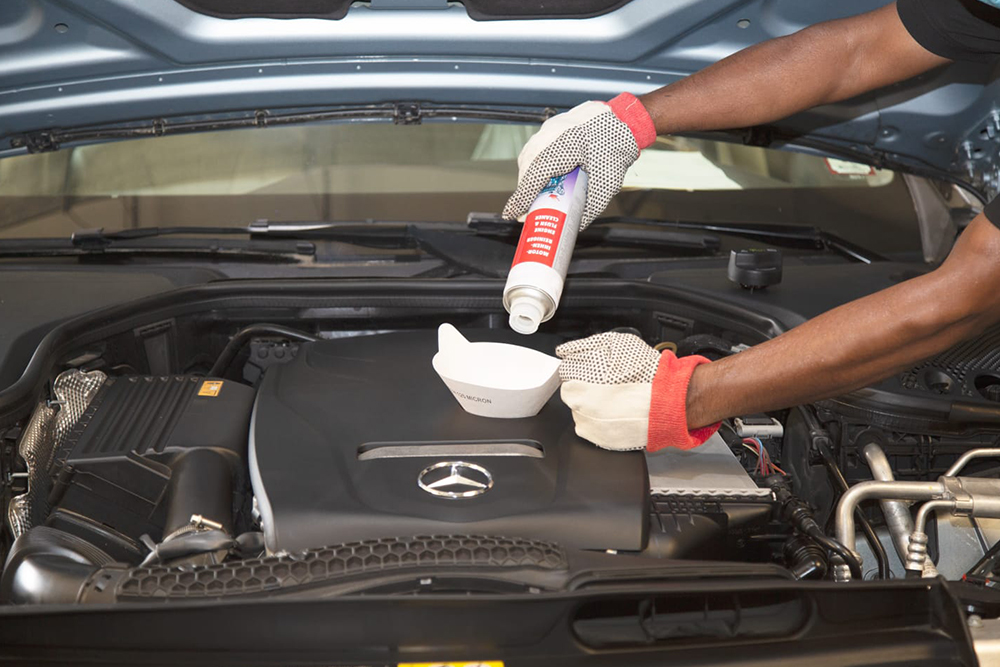
Engine flushing works by adding a special liquid cleaner to the engine oil. This cleaner breaks down sludge and sticky deposits inside the engine. After running the engine for a short time, the dirty fluid is drained out.
- The engine is warmed up to loosen dirt.
- The flushing solution is added to the oil tank.
- The engine runs for a few minutes with the cleaner inside.
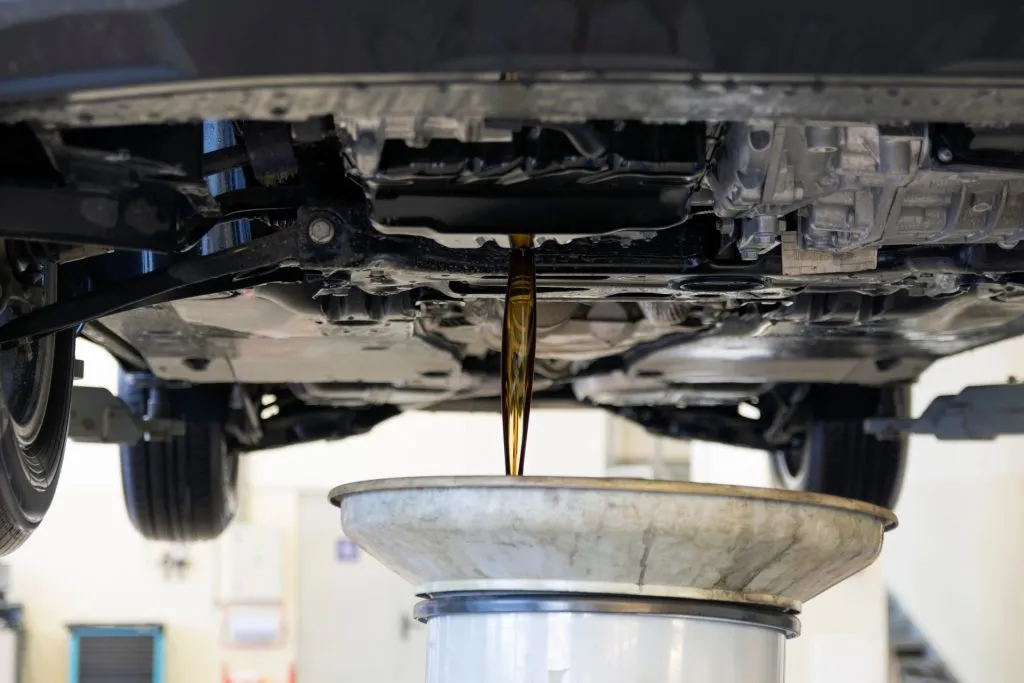
- The old oil and cleaner are drained.
- Fresh oil is added to the engine.
Types Of Engine Flushes
| Type | Description | When to Use |
|---|---|---|
| Chemical Flush | Uses a chemical solution to dissolve sludge and deposits. | Before an oil change in older engines or high mileage cars. |
| Oil Flush | Involves using special flushing oil that cleans while lubricating. | For regular maintenance and light cleaning. |
| Mechanical Flush | Uses a machine to pump cleaning fluid through the engine system. | In cases of heavy sludge or after engine repairs. |
Benefits Of Engine Flushing
Engine flushing cleans the inside of a car engine. It removes sludge, dirt, and deposits.
This process helps the engine run smoother and last longer. It uses special fluids to wash away buildup.
Improving Engine Performance
Flushing the engine clears harmful deposits that slow down parts. This helps the engine work better.
After flushing, the engine parts move more freely. This can improve fuel efficiency and power.
- Removes sludge that blocks oil flow
- Restores smooth movement of engine parts
- Helps the engine burn fuel better
Extending Engine Lifespan
Engine flushing stops damage caused by dirt and sludge buildup. It protects engine parts from wear.
Clean engines last longer and need fewer repairs. Flushing helps keep your engine healthy over time.
- Prevents corrosion and rust inside the engine
- Reduces engine wear from dirt and deposits
- Keeps oil flowing properly to all parts
When To Flush Your Engine
Engine flushing cleans out sludge and deposits inside the engine. It helps keep the engine running smoothly.
You should know the signs that show your engine needs flushing. Also, follow recommended intervals to keep your engine healthy.
Signs Your Engine Needs Flushing
Engine problems can mean it is time to flush. Check for these signs to protect your engine.
- Rough engine idle or stalling
- Reduced fuel efficiency
- Unusual engine noises
- Overheating engine
- Excessive exhaust smoke
- Warning lights on your dashboard
Recommended Flushing Intervals
Engine flushing should follow the manufacturer’s advice and your driving style. Here is a guide to help you decide.
| Driving Condition | Flushing Interval |
| Normal driving | Every 30,000 miles (48,000 km) |
| Heavy city traffic | Every 15,000 miles (24,000 km) |
| Frequent short trips | Every 15,000 miles (24,000 km) |
| Off-road or dusty conditions | Every 10,000 miles (16,000 km) |
Credit: www.abc-auto.ae
Engine Flushing Process
Engine flushing cleans the inside parts of a car engine. It removes sludge, dirt, and old oil buildup. This helps the engine run smoother and last longer.
The process uses a special liquid that breaks down deposits inside the engine. Then, the old fluid and debris are drained out. This refreshes the engine before new oil is added.
Step-by-step Flushing Guide
Start by warming up the engine for a few minutes. This makes the oil thinner and easier to drain. Then, drain the old oil completely.
Next, pour the flushing liquid into the engine. Run the engine at idle speed for the time shown on the product label. Avoid high speeds during this step.
- Warm up the engine
- Drain the old oil
- Add the flushing liquid
- Run the engine at idle for 10-15 minutes
- Drain the flushing liquid and sludge
- Replace the oil filter
- Fill with new engine oil
Precautions And Tips
Check your car manual to see if engine flushing is safe for your model. Some engines are sensitive to flushing chemicals. Use only recommended products.
Do not run the engine for too long with the flush liquid. This can damage engine parts. Always replace the oil filter after flushing. Dispose of old fluids properly.
- Read the car manual first
- Use correct flushing products
- Do not overrun the engine during flush
- Replace the oil filter afterward
- Dispose of fluids safely
Credit: golden-horse.ae
Frequently Asked Questions
What Is Engine Flushing And Why Is It Needed?
Engine flushing cleans old oil and sludge from inside the engine. It helps keep the engine parts working well.
How Often Should Engine Flushing Be Done?
Engine flushing is usually done every 30,000 to 50,000 miles. Check your car manual for exact advice.
Can Engine Flushing Improve Car Performance?
Yes, it removes dirt and deposits that slow the engine, helping it run smoother and cooler.
Is Engine Flushing Safe For All Engines?
Most engines can handle flushing, but always check with a mechanic first to avoid damage.
What Products Are Used For Engine Flushing?
Special engine flush additives mixed with oil break down sludge and deposits for easy removal.
Conclusion
Engine flushing helps clean your car’s engine from dirt and sludge. It improves engine performance and can extend its life. Regular flushing removes harmful deposits that cause damage. Many drivers find it useful to keep their engines running smoothly. Always follow your car’s manual for the best care advice.
Taking good care of your engine saves money on repairs later. Consider engine flushing as part of your routine maintenance. Clean engines run better and last longer. Easy to do, and worth the effort. Simple steps lead to a healthier engine.