

Have you ever wondered why your turbocharger might suddenly stop working? One hidden culprit could be oil sludge buildup.
This sneaky problem can quietly damage your engine’s turbocharger without you even noticing until it’s too late. Understanding how oil sludge affects your turbocharger is key to keeping your car running smoothly and avoiding costly repairs. Keep reading to discover how this common issue might be putting your vehicle at risk—and what you can do to prevent it.
Credit: cateran.com.au
How Oil Sludge Forms
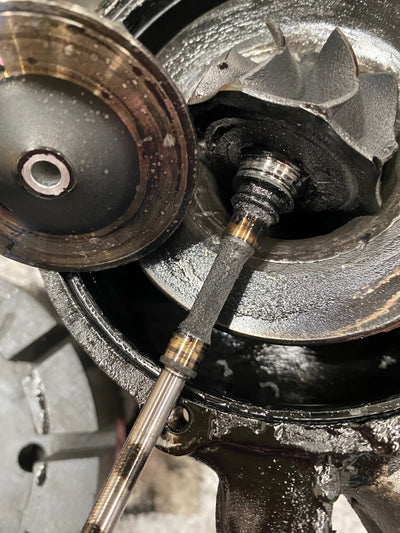
Oil sludge forms when engine oil breaks down and thickens. This thick substance clogs engine parts and blocks oil flow.
Sludge happens over time if the oil is not changed regularly or if the engine runs too hot. It harms engine performance and can cause serious problems.
Causes Of Oil Sludge
Oil sludge forms from dirty oil, high engine temperatures, and short trips. These conditions stop the oil from staying clean and flowing well.
- Using poor quality or wrong type of oil
- Missing regular oil changes
- Engine running too hot for long periods
- Short trips that don’t warm the engine fully
- Contaminants like dirt or coolant entering the oil
Impact On Engine Components
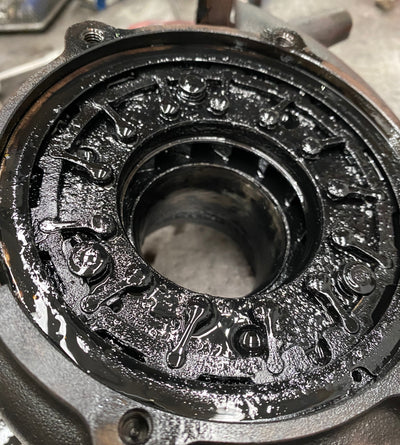
Oil sludge blocks oil passages and starves engine parts of lubrication. This causes parts to wear out faster and can lead to engine damage.
The turbocharger is especially at risk because it needs clean oil to spin smoothly. Sludge buildup can cause it to fail quickly.
- Clogged oil passages reduce lubrication
- Turbocharger bearings wear out from dirty oil
- Increased engine friction and heat
- Possible engine seizing or failure
Credit: cateran.com.au
Turbocharger Vulnerability
Turbochargers help engines run better by increasing air flow. They spin very fast and need good care.
Oil sludge buildup can harm turbochargers. It blocks oil flow and causes damage over time.
Role Of Lubrication In Turbochargers
Lubrication keeps turbo parts cool and stops metal from rubbing. Oil flows through tiny passages to protect the shaft and bearings.
- Oil cools down the hot turbo parts.
- It reduces friction between moving parts.
- Clean oil carries away dirt and metal bits.
- Proper oil flow prevents wear and tear.
Effects Of Sludge On Turbo Function
Sludge is thick, sticky oil that blocks oil paths. It can cause many problems in turbochargers.
| Problem | Effect on Turbo |
| Blocked oil channels | Oil stops flowing, parts overheat |
| Reduced lubrication | Increased friction and wear |
| Oil starvation | Bearings and shaft get damaged |
| Turbo failure | Engine loses power and may break down |
Preventing Turbocharger Damage
Oil sludge buildup can cause serious damage to your turbocharger. Keeping it clean helps your car run smoothly.
Regular care and the right oil choice protect your turbocharger from failure caused by sludge and wear.
Maintenance Tips
Check your oil level and quality often to avoid sludge buildup. Change your oil on time.
- Use the recommended oil change intervals.
- Inspect the turbocharger for leaks or damage.
- Replace air filters regularly to prevent dirt entry.
- Warm up your engine before driving hard.
- Cool down the engine after long drives.
Choosing The Right Oil
Using the correct oil reduces sludge and protects the turbocharger’s moving parts.
| Oil Type | Viscosity | Benefits |
| Synthetic | 5W-30 | Better flow and less sludge |
| Conventional | 10W-40 | Lower cost but more sludge risk |
| Synthetic Blend | 5W-40 | Good balance of protection and price |

Credit: cateran.com.au
Frequently Asked Questions
What Causes Oil Sludge Buildup In Engines?
Oil sludge forms from dirty oil, heat, and moisture mixing inside the engine.
How Does Oil Sludge Affect Turbocharger Performance?
Sludge blocks oil flow, causing poor lubrication and overheating in the turbocharger.
Can Oil Sludge Lead To Complete Turbocharger Failure?
Yes, sludge can damage bearings and seals, causing the turbocharger to fail.
How To Prevent Oil Sludge From Damaging A Turbocharger?
Regular oil changes and using quality oil help keep sludge from forming.
What Are Signs Of Turbo Failure Due To Oil Sludge?
Look for reduced power, strange noises, smoke, and increased engine temperature.
Conclusion
Oil sludge buildup can seriously harm your turbocharger’s health. It blocks oil flow and causes parts to wear out fast. Regular oil changes and using good oil help stop sludge from forming. Keep an eye on engine performance and oil condition.
Catch problems early to avoid costly turbocharger repairs. Clean oil means a strong, lasting turbocharger. Don’t let sludge damage your engine’s power and efficiency. Taking simple care steps keeps your turbo running smoothly and saves money in the long run.