

Last Updated on April 15, 2026
Have you ever wondered what keeps your car’s engine and transmission working smoothly together? The answer lies in a small but powerful device called the Powertrain Control Module, or PCM.
This little box acts like your vehicle’s brain, making sure everything runs just right. Understanding what a PCM does can save you from costly repairs and help you take better care of your car. Stick with me, and you’ll discover exactly how this crucial part works and why it matters to your vehicle’s performance.
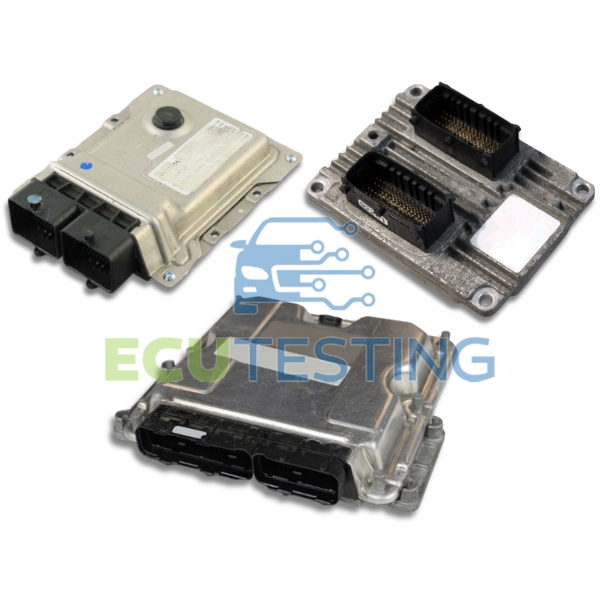
Credit: www.ecutesting.com
Powertrain Control Module Basics
The Powertrain Control Module, or PCM, is a key part of a vehicle’s engine system. It manages the engine and transmission to keep the vehicle running smoothly.
The PCM collects data from sensors and uses it to control various functions. It helps improve fuel efficiency and reduce emissions.
Core Functions
The PCM has several important roles. It controls the fuel injection, ignition timing, and emission systems. This keeps the engine working at its best.
- Monitors engine speed and load
- Adjusts fuel delivery to the engine
- Controls ignition timing for spark plugs
- Manages automatic transmission shifting
- Monitors and controls emission systems
Key Components
The PCM has several key parts inside. Each part plays a role in processing data and controlling the vehicle’s powertrain.
| Component | Function |
| Microprocessor | Processes data from sensors and runs control programs |
| Memory | Stores software and data needed for operation |
| Input/Output Interfaces | Connects sensors and actuators to the PCM |
| Power Supply | Provides electrical power for PCM operation |
How The Pcm Manages Engine Performance
The Powertrain Control Module, or PCM, is a computer in vehicles. It controls how the engine works to keep it running well.
The PCM uses sensors to watch the engine. It then changes settings to improve power and save fuel.
Fuel Injection Control
The PCM controls fuel injection to give the engine the right fuel amount. It adjusts fuel flow based on engine needs.
This helps the engine run smoothly and saves fuel. It also stops the engine from getting too much or too little fuel.
- Measures air intake and engine load
- Calculates fuel needed for best performance
- Controls fuel injectors to deliver fuel precisely
Ignition Timing
The PCM sets the ignition timing to fire spark plugs at the right time. This helps the engine produce power efficiently.
If timing is off, the engine can lose power or waste fuel. The PCM adjusts timing based on speed and load.
- Checks engine speed and position
- Adjusts spark plug firing time
- Improves engine power and fuel use
Emission Regulation
The PCM helps reduce harmful gases from the engine. It controls systems that lower pollution.
It works with parts like the oxygen sensor and catalytic converter to keep emissions low and meet rules.
- Monitors oxygen levels in exhaust gases
- Adjusts fuel mix to reduce emissions
- Ensures catalytic converter works properly
Common Pcm Issues
The powertrain control module (PCM) controls many engine and transmission functions. When the PCM has problems, the vehicle may not run right.
Common issues with the PCM include bad connections, software errors, and internal hardware failure. These problems can cause different symptoms.
Symptoms Of Failure
A failing PCM can cause many engine and transmission problems. Some symptoms are easy to notice, while others need a closer look.
Common signs include poor engine performance, trouble starting, and strange warning lights on the dashboard.
- Engine stalls or runs rough
- Check engine light stays on
- Transmission shifts erratically
- Engine fails to start
- Reduced fuel efficiency
Diagnostic Techniques
To find PCM problems, mechanics use special tools and tests. These help check the PCM and related parts.
Common diagnostic methods include scanning error codes, checking electrical connections, and testing sensor signals.
- Use an OBD-II scanner to read trouble codes
- Inspect wiring and connectors for damage
- Test sensors and actuators controlled by the PCM
- Perform voltage and resistance checks on PCM circuits
- Reprogram or update PCM software if needed

Credit: www.cardone.com
Pcm Maintenance And Replacement
The Powertrain Control Module (PCM) controls your vehicle’s engine and transmission. Keeping it in good shape helps your car run smoothly. Regular checks and timely replacement can prevent costly repairs.
Understanding how to maintain and when to replace your PCM is important. This guide will help you with simple routines and signs of failure.
Routine Checks
Check your PCM regularly to avoid problems. Look for warning signs and keep connections clean. A well-maintained PCM improves fuel efficiency and performance.
- Inspect wiring and connectors for damage or corrosion
- Listen for unusual engine or transmission behavior
- Use a scanner tool to check for error codes
- Keep the engine compartment clean and dry
- Ensure software updates are done by a professional
When To Replace
Replace the PCM if it fails to control engine or transmission properly. Delayed or rough shifting, engine stalling, or frequent error codes can indicate failure.
| Symptom | Reason to Replace |
| Check Engine Light stays on | PCM malfunction or internal failure |
| Engine stalls or runs poorly | PCM not managing fuel or ignition correctly |
| Transmission shifts erratically | PCM unable to control shift timing |
| Failed diagnostic tests | PCM errors detected by scanner |
| No communication with PCM | PCM may be dead or disconnected |
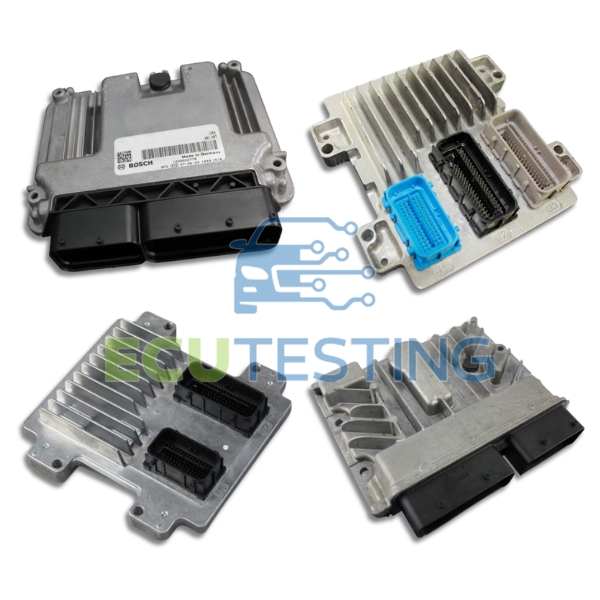
Credit: www.ecutesting.com
Frequently Asked Questions
What Is The Main Function Of A Powertrain Control Module?
The Powertrain Control Module controls engine and transmission systems for better performance and fuel efficiency.
How Does A Pcm Affect Vehicle Fuel Economy?
PCM adjusts fuel injection and ignition timing to optimize fuel use and reduce waste.
What Symptoms Indicate A Faulty Powertrain Control Module?
Common signs include engine stalling, poor fuel economy, check engine light, and rough shifting.
Can A Pcm Be Repaired Or Must It Be Replaced?
Some PCMs can be repaired, but often replacement is needed for full functionality.
How Does A Pcm Communicate With Other Vehicle Systems?
PCM uses sensors and data networks to coordinate engine and transmission operations smoothly.
Conclusion
The powertrain control module keeps your vehicle running smoothly. It controls the engine and transmission for better performance. A faulty PCM can cause many car problems. Regular checks help catch issues early. Understanding the PCM helps you care for your car.
It’s a key part of modern vehicles. Knowing its role saves time and money. Keep your car healthy by paying attention to the PCM. It works quietly but plays a big role. Simple care leads to a longer-lasting vehicle.