

Last Updated on April 15, 2026
Have you ever wondered why some cars feel more powerful at certain speeds? The secret lies in something called a torque curve.
Understanding your vehicle’s torque curve can change the way you think about performance and driving. This simple concept reveals how your engine delivers power and why it matters for acceleration, fuel efficiency, and overall driving experience. Keep reading, and you’ll discover how knowing about torque curves can help you make smarter choices about your car or motorcycle—and even improve how you drive.
Credit: www.silveradosierra.com
Basics Of Torque Curve
A torque curve shows how an engine’s torque changes with speed. It helps us understand engine power at different RPMs.
Torque is the force that makes a car move. The curve shows when the engine produces more or less torque.
What Is Torque?
Torque is the twisting force from the engine. It moves the car’s wheels and controls acceleration.
More torque means the car can pull heavier loads or speed up faster.
How Is A Torque Curve Measured?
The torque curve is measured by testing the engine at different speeds. The results are shown on a graph.
The graph has engine speed (RPM) on the bottom and torque on the side. The curve shows torque changes as RPM changes.
Why Is A Torque Curve Important?
The torque curve helps drivers and engineers know how the engine performs. It shows the best RPM for power.
It helps in choosing the right gear and improving fuel efficiency and engine life.
Typical Shape Of A Torque Curve
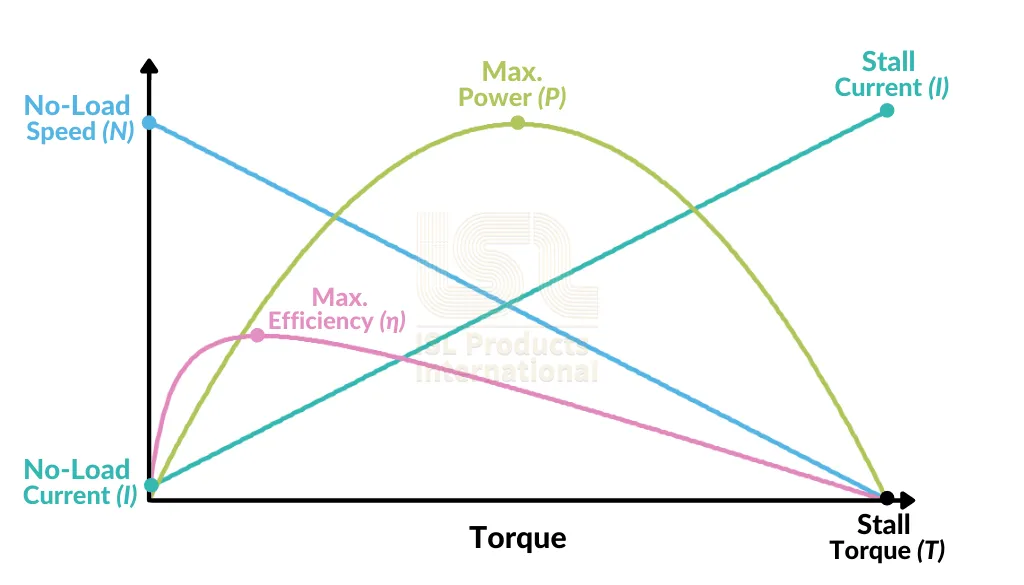
Most torque curves start low at idle, rise to a peak, and then drop at high RPMs. This shape shows where the engine works best.
- Low RPM: Torque is low because the engine spins slowly
- Mid RPM: Torque peaks, giving strong power and acceleration
- High RPM: Torque falls as engine efficiency drops
How Torque Curves Affect Driving
Knowing the torque curve helps drivers shift gears at the right time. This keeps the engine in its power zone.
It also helps in tuning the engine for better performance or fuel savings.
Credit: islproducts.com
How Torque Affects Engine Power
Torque is the twisting force an engine creates. It plays a key role in how powerful a vehicle feels. Understanding torque helps explain engine performance.
Engine power depends on both torque and engine speed. These two work together to move a car efficiently and smoothly.
What Is Torque?
Torque measures how much force an engine applies to turn the wheels. It is usually measured in pound-feet (lb-ft) or Newton-meters (Nm). Higher torque means stronger pulling power.
How Torque Relates To Engine Power
Engine power is calculated by combining torque and engine speed (RPM). Power shows how fast work can be done by the engine. It is measured in horsepower (hp) or kilowatts (kW).
The formula to calculate power is:
This means power rises when torque or engine speed increases.
Why Torque Curve Matters
A torque curve shows how torque changes across different engine speeds. It helps to understand when the engine delivers the most force.
- Flat torque curve means steady power at many speeds.
- Peaky torque means strong force only at specific RPMs.
- Good torque spread improves driving comfort and acceleration.
Impact Of Torque On Driving Experience
High torque at low RPM helps in quick starts and climbing hills. This makes the engine feel more responsive and strong.
| Driving Condition | Torque Benefit |
| Starting from stop | Quick acceleration |
| Climbing steep roads | Better pulling power |
| Highway cruising | Smooth power delivery |
Reading And Interpreting Torque Curves
Torque curves show how much twisting force an engine produces. They help us understand engine power at different speeds.
Reading these curves helps drivers and mechanics choose the right engine and improve vehicle performance.
What Is A Torque Curve?
A torque curve is a graph that plots engine torque against engine speed, usually measured in revolutions per minute (RPM). It shows how torque changes as the engine revs higher.
Understanding Torque Values
Torque values on the curve tell you the engine’s pulling power at certain RPMs. Higher torque means the engine can pull heavier loads or accelerate faster.
- Peak torque: The maximum torque the engine produces.
- Low-end torque: Torque at low RPM, important for quick starts.
- High-end torque: Torque at high RPM, important for speed.
How To Read The Curve
The horizontal axis shows engine speed in RPM. The vertical axis shows torque in pound-feet or Newton-meters. The curve line shows how torque changes with RPM.
| RPM | Torque (lb-ft) |
| 1000 | 150 |
| 2000 | 200 |
| 3000 | 220 |
| 4000 | 210 |
| 5000 | 190 |
Interpreting Torque Curve Shapes
A flat curve means the engine delivers steady torque across many RPMs. A peaked curve means torque is strong only in a narrow RPM range.
Flat curves suit towing and daily driving. Peaked curves suit racing and high-speed use.

Credit: www.morganscloud.com
Optimizing Performance With Torque Data
A torque curve shows how much twisting force an engine produces at different speeds. This data helps improve engine performance and efficiency.
By studying the torque curve, you can adjust settings to get better power and smoother driving.
Understanding Torque Curve Basics
The torque curve graphs engine torque against RPM (revolutions per minute). It shows where the engine makes the most force.
Knowing this helps drivers and mechanics know the best RPM range for power and fuel use.
Improving Engine Tuning
Use torque data to adjust engine parts like fuel injection and ignition timing. This makes the engine run better.
Tuning based on torque curves can increase horsepower and reduce fuel waste.
Choosing The Right Gear Ratios
Gear ratios affect how power from the engine reaches the wheels. Torque curves help pick gears that use engine power well.
This choice can improve acceleration and fuel efficiency by keeping the engine in its best torque range.
- Lower gears for higher torque at low speeds
- Higher gears for better fuel use at cruising speeds
Detecting Engine Issues Early
Changes in the torque curve can show engine problems like worn parts or poor tuning. This helps fix issues before they get worse.
Regularly checking torque data keeps the engine healthy and reliable.
Frequently Asked Questions
What Is A Torque Curve In Simple Terms?
A torque curve shows how an engine’s twisting force changes at different speeds.
Why Is The Torque Curve Important For Car Performance?
It helps understand how strong the engine is at various speeds for better driving.
How Does Torque Curve Affect Fuel Efficiency?
Engines with smooth torque curves use fuel better at different speeds.
Can Torque Curves Differ Between Engine Types?
Yes, petrol and diesel engines have different torque curves due to their design.
How To Read A Torque Curve Graph Easily?
Look for peaks and flat areas to see where the engine has most power.
Conclusion
A torque curve shows how engine power changes with speed. It helps understand how a vehicle performs in different conditions. Knowing this can improve driving and vehicle choice. Engines with smooth torque curves feel easier to control. Sharp peaks may cause jerky rides.
Studying torque curves helps drivers make smarter decisions. It also aids in car maintenance and upgrades. Always remember, torque curves affect power delivery and fuel use. Keep this in mind for better driving experiences and vehicle care.