

Last Updated on April 15, 2026
Have you ever wondered what makes your car move the way it does? If you’ve heard the terms “powertrain” and “drivetrain” but aren’t sure what sets them apart, you’re not alone.
Understanding the difference between these two can help you better grasp how your vehicle works and even make smarter decisions when buying or maintaining a car. You’ll discover exactly what each term means, why it matters to you, and how knowing the difference can save you time and money.
Keep reading—you’ll find the clarity you’ve been looking for.

Credit: mechlesson.com
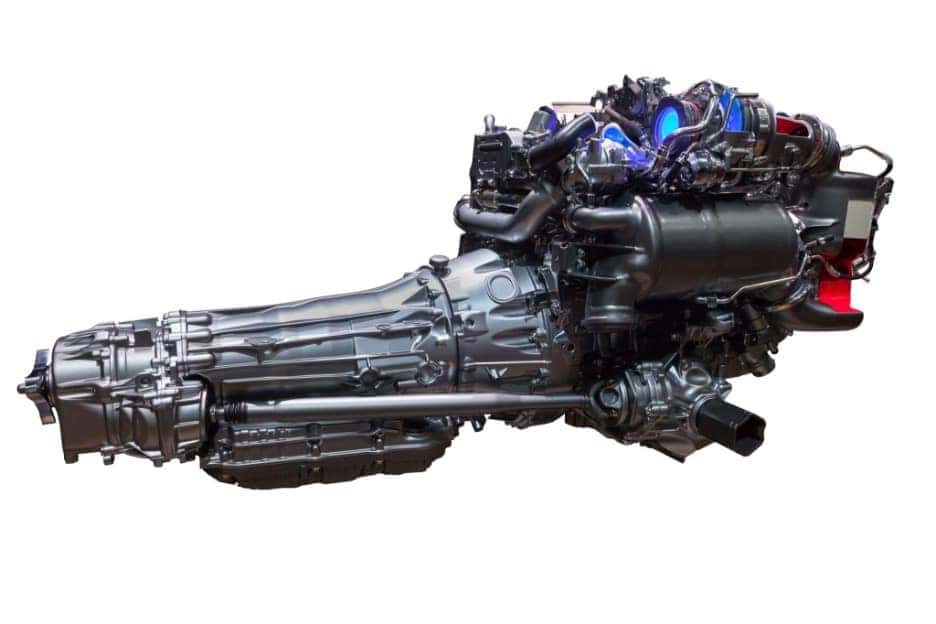
Powertrain Components
The powertrain is a key part of a vehicle. It includes parts that create and send power.
This system works with the drivetrain to move the car forward or backward.
Engine Role
The engine creates power by burning fuel. It turns fuel into mechanical energy.
This energy starts the vehicle’s movement and powers other parts in the powertrain.
Transmission Function
The transmission controls the power from the engine. It changes speed and torque.
- Adjusts gear ratios for different speeds
- Helps the vehicle start moving smoothly
- Allows the vehicle to climb hills or tow loads
- Connects the engine to the wheels
Integration With Drivetrain
The powertrain works closely with the drivetrain. The drivetrain moves the wheels.
| Component | Role |
| Engine | Creates power |
| Transmission | Controls power and speed |
| Drivetrain | Delivers power to wheels |
Credit: www.hellomazdatemecula.com
Drivetrain Elements
The drivetrain moves power from the engine to the wheels. It includes many parts that work together. These parts help the vehicle move smoothly and safely.
Understanding each element helps explain the difference between powertrain and drivetrain. Here, we focus on key drivetrain parts.
Drive Shafts And Axles
Drive shafts transfer engine power to the wheels. They are strong rods that spin and deliver torque. Axles hold the wheels and allow them to turn.
- Drive shafts connect the transmission to the wheels.
- Axles support the vehicle’s weight and rotate the wheels.
- Both parts handle large amounts of force and torque.
Differentials Explained
Differentials let wheels spin at different speeds. This is important when turning corners. They split engine power between wheels.
| Part | Function |
| Differential Gear | Allows wheels to rotate at different speeds |
| Ring Gear | Transfers power from drive shaft to differential gears |
| Pinion Gear | Connects drive shaft to ring gear |
Connection To Wheels
The drivetrain connects to wheels through hubs and bearings. These parts keep wheels attached and allow smooth rotation. They must be strong and precise.
- Wheel hubs mount the wheel to the axle.
- Bearings reduce friction for easy wheel turning.
- Seals protect parts from dirt and moisture.
Powertrain Vs Drivetrain
The powertrain and drivetrain are important parts of a vehicle. They both help move the car, but they are not the same.
This article explains the difference between powertrain and drivetrain. It also shows how they work together and affect vehicle performance.
Key Differences
The powertrain includes the engine and parts that create power. The drivetrain carries this power to the wheels.
The drivetrain does not include the engine or motor. It focuses on moving the power to the wheels.
- Powertrain:Engine, transmission, driveshaft, and axles
- Drivetrain:Transmission, driveshaft, axles, and wheels
- Powertrain creates power; drivetrain delivers power
How They Work Together
The engine in the powertrain makes power by burning fuel or using electricity. This power goes to the transmission.
The transmission controls how much power goes to the drivetrain. Then, the drivetrain sends power to the wheels to move the car.
- Powertrain makes and controls power
- Drivetrain moves power to wheels
- Both need to work well for smooth driving
Impact On Vehicle Performance
Powertrain quality affects engine power and fuel use. A strong powertrain can give better speed and efficiency.
The drivetrain affects how well power gets to the wheels. A good drivetrain improves traction and handling.
- Powertrain affects engine power and fuel economy
- Drivetrain affects wheel control and vehicle stability
- Both affect how the car drives and performs
Common Issues And Maintenance
The powertrain and drivetrain are key parts of your vehicle. Both work together to move your car. They need care to keep working well.
This guide explains common problems and how to maintain these systems. It helps you spot issues early and take action.
Signs Of Powertrain Problems
The powertrain includes the engine, transmission, and drivetrain. Problems here affect how your car runs. Watch for these signs.
- Engine stalling or rough idling
- Hard shifting or slipping gears
- Strange noises from the engine or transmission
- Warning lights on the dashboard
- Loss of power during acceleration
Drivetrain Troubleshooting
The drivetrain moves power from the engine to the wheels. Problems cause poor handling and noises. Use these tips to find issues.
- Listen for clunking or grinding sounds
- Check for vibrations when driving
- Notice if the car pulls to one side
- Look for leaks around the axle or differential
- Test if the wheels turn smoothly
Maintenance Tips
Regular maintenance keeps the powertrain and drivetrain strong. Follow these simple steps to avoid costly repairs.
- Change engine oil and transmission fluid on time
- Inspect and replace worn-out belts and hoses
- Keep tires properly inflated and aligned
- Check and grease drivetrain components regularly
- Have a mechanic inspect your vehicle yearly

Credit: www.gillmanhondahouston.com
Frequently Asked Questions
What Is The Main Difference Between Powertrain And Drivetrain?
Powertrain includes the engine and transmission; drivetrain only moves power to the wheels.
Does The Powertrain Include The Vehicle’s Engine?
Yes, the powertrain always includes the engine as a key component.
Which Parts Are Found Only In The Drivetrain System?
Drivetrain includes driveshafts, differentials, axles, and wheels but not the engine.
How Does The Drivetrain Affect Vehicle Movement?
Drivetrain transfers power from the engine to the wheels to move the vehicle.
Can A Car Have A Drivetrain Without A Powertrain?
No, drivetrain needs power from the engine, so it cannot work alone.
Conclusion
Understanding the difference between powertrain and drivetrain helps you know how vehicles work. Powertrain includes the engine and parts that create power. Drivetrain moves this power to the wheels. Both are important for car performance and control. Knowing their roles can help when choosing or fixing a vehicle.
It also makes car talks easier. Keep these basics in mind next time you discuss cars or learn more about them. Simple but key parts that make your ride smooth and strong.