

Last Updated on April 15, 2026
Have you ever wondered how some cars can save energy every time they slow down? That’s where regenerative braking comes in.
It’s a clever technology that helps your vehicle recover energy instead of wasting it as heat. Understanding how regenerative braking works can change the way you think about driving and saving fuel. Keep reading, and you’ll discover how this smart system boosts efficiency, reduces wear on brakes, and even helps the environment—all while making your ride smoother and more efficient.
How Regenerative Braking Works
Regenerative braking is a system that recovers energy when a vehicle slows down. It saves this energy instead of wasting it as heat.
This energy is then used to help power the vehicle, making it more efficient and reducing fuel use or battery drain.
Energy Conversion Process
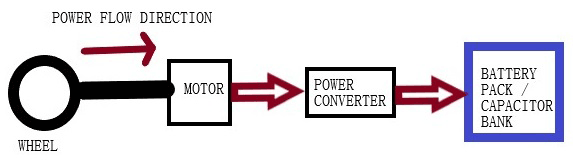
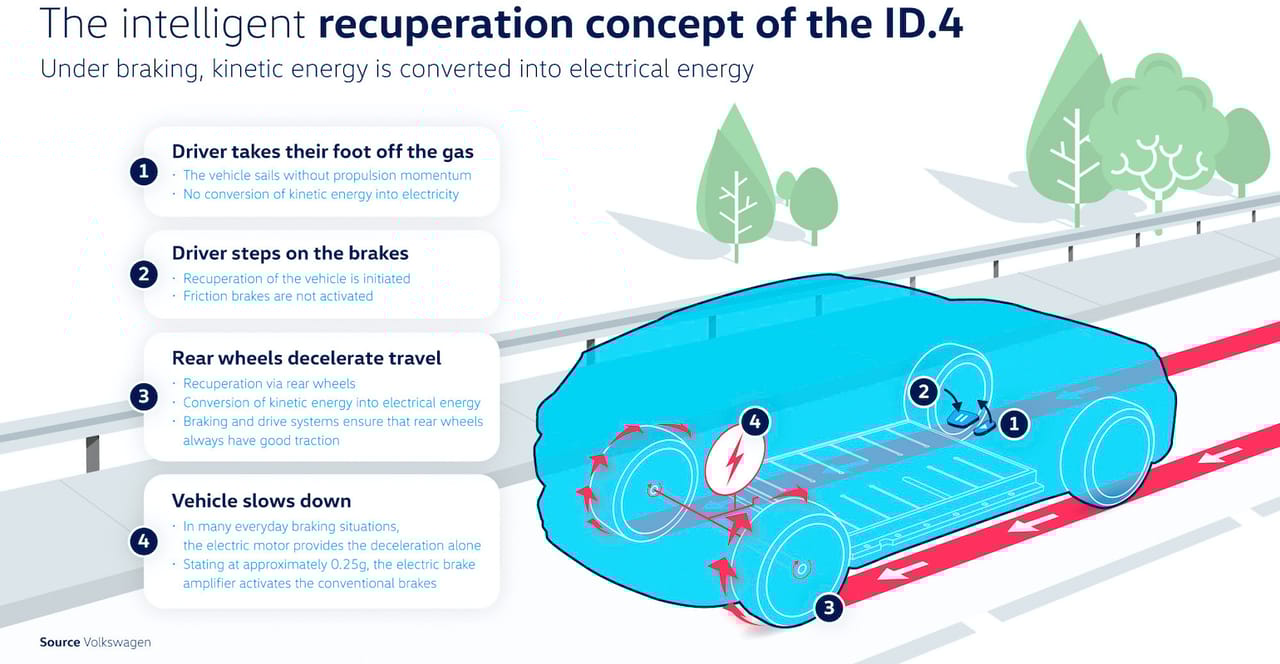
When you press the brakes, the wheels slow down. The vehicle’s motor changes from using electricity to generating it.
This process turns the kinetic energy from the moving car into electrical energy. The electrical energy is stored in the battery.
- Wheels slow down during braking
- Motor acts as a generator
- Kinetic energy converts to electrical energy
- Energy is stored in the battery
Role In Electric Vehicles
Electric vehicles use regenerative braking to extend their driving range. It helps recharge the battery while driving.
This system lowers energy waste and improves efficiency. It reduces how often the vehicle needs to plug in for charging.
- Recharges battery during braking
- Increases driving range
- Reduces energy waste
- Improves overall vehicle efficiency
Comparison With Traditional Braking
Traditional brakes use friction to stop the car. This friction creates heat and wastes energy.
Regenerative brakes recover energy and use it again. They reduce wear on brake pads and save energy.
| Feature | Traditional Braking | Regenerative Braking |
|---|---|---|
| Energy Use | Energy lost as heat | Energy recovered and stored |
| Brake Pad Wear | High wear due to friction | Less wear, longer life |
| Efficiency | Lower due to energy loss | Higher by reusing energy |

Credit: www.everythingpe.com
Benefits Of Regenerative Braking
Regenerative braking is a technology used in many vehicles today. It helps save energy by capturing the energy lost during braking.
This system offers several benefits for drivers and the environment. It improves efficiency and reduces wear on parts.
Energy Savings
Regenerative braking converts kinetic energy into electrical energy. This energy charges the vehicle’s battery instead of wasting it as heat.
This process helps increase the driving range of electric and hybrid vehicles. Drivers use less fuel or electricity overall.
Reduced Wear And Tear
Regenerative braking lowers the use of traditional brakes. This reduces the wear on brake pads and discs.
Less wear means fewer repairs and replacements. It also helps keep the braking system in good condition longer.
Environmental Impact
By saving energy, regenerative braking reduces fuel consumption and emissions. This helps lower air pollution.
Using this technology supports cleaner air and a healthier environment. It contributes to a smaller carbon footprint.
Challenges And Limitations
Regenerative braking helps save energy by capturing it during braking. It can reduce fuel use and emissions. Still, it faces some challenges that limit its performance.
These challenges affect how well regenerative braking works in different vehicles and situations. Understanding them helps improve future designs.
Efficiency Constraints
Regenerative braking cannot recover all energy lost during braking. Some energy turns into heat and friction instead. The system works best at moderate speeds and smooth stops.
At very low speeds or sudden stops, regenerative braking is less effective. This limits the total energy saved by the system.
Cost Considerations
Installing regenerative braking adds parts like electric motors and batteries. These parts increase the vehicle’s cost. Maintenance can also be more expensive compared to regular brakes.
Manufacturers must balance the extra cost with the fuel savings and environmental benefits. This balance affects how widely regenerative braking is used.
Integration With Vehicle Systems
Regenerative braking must work with other vehicle systems like traditional brakes and electronics. This integration can be complex and requires precise control.
Problems with integration can cause reduced braking performance or safety issues. Engineers must carefully design systems to avoid these problems.
Credit: circuitdigest.com
Future Trends In Energy Efficiency
Regenerative braking is a system that recovers energy when a vehicle slows down. It changes this energy into electricity. This saves fuel and lowers emissions.
Energy efficiency is growing in importance. New trends are shaping how regenerative braking will be used in the future.
Advancements In Technology
New materials and designs make regenerative braking systems better. They can store more energy and work in more conditions.
- Improved battery storage
- More efficient electric motors
- Smarter control systems
- Lightweight materials for less energy loss
Potential Applications Beyond Vehicles
Regenerative braking can be used in many places, not just cars. It can help save energy in machines and buildings.
| Application | Energy Recovery Use |
| Elevators | Convert downward motion to electricity |
| Trains | Capture energy during braking to power systems |
| Industrial machines | Recycle energy from stopping parts |
| Wind turbines | Store extra energy during slowdowns |
Role In Sustainable Transportation
Regenerative braking helps reduce fuel use and pollution. It supports the shift to electric and hybrid vehicles. This system makes transport cleaner and greener.
Key benefits in sustainable transport include:
- Lower carbon emissions
- Extended vehicle battery life
- Reduced energy waste
- Cost savings on fuel
Credit: www.designnews.com
Frequently Asked Questions
What Is Regenerative Braking In Simple Terms?
Regenerative braking captures energy during braking and turns it into electricity.
How Does Regenerative Braking Save Car Energy?
It recovers energy that would be lost and stores it for later use.
Which Vehicles Use Regenerative Braking Technology?
Electric cars, hybrids, and some trains use regenerative braking systems.
Does Regenerative Braking Improve Fuel Efficiency?
Yes, it helps reduce fuel use by reusing energy during braking.
Can Regenerative Braking Extend Brake Life?
Yes, it reduces wear on traditional brakes by using electric motors to slow down.
Conclusion
Regenerative braking helps save energy when you slow down. It turns motion into power for the battery. This system makes vehicles more efficient and eco-friendly. Many electric and hybrid cars use this smart method. It reduces waste and extends driving range.
Knowing how regenerative braking works can help you appreciate modern cars more. It’s a simple but useful technology changing how we drive.