

Last Updated on April 15, 2026
Have you ever wondered what keeps your car from skidding when you slam on the brakes? That’s the magic of Anti-Lock Braking Systems, or ABS.
Understanding how ABS works can give you more confidence behind the wheel and help you stay safer on the road. You’ll discover the simple yet powerful way ABS protects you during sudden stops, making your drives smoother and more secure.
Keep reading to find out exactly how this technology reacts in critical moments to keep control in your hands.

Credit: simonsautorepairtaunton.com
Basics Of Anti-lock Braking Systems
Anti-Lock Braking Systems, or ABS, help drivers keep control during hard braking. They stop the wheels from locking up on slippery roads.
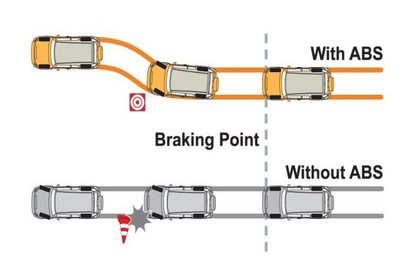
ABS improves safety by allowing the driver to steer while braking hard. It works by quickly adjusting the brake pressure.
Key Components
ABS has several parts that work together to control braking. These include sensors, a control unit, and valves.
- Wheel Speed Sensors:Detect how fast each wheel is turning.
- Electronic Control Unit (ECU):Processes data from sensors and controls the system.
- Hydraulic Valves:Adjust brake pressure to prevent wheel lock-up.
- Pump:Restores brake pressure after it is reduced.
How Abs Prevents Skidding
When wheels start to lock, ABS reduces brake pressure on that wheel. This helps maintain traction with the road.
The system quickly repeats this process many times per second. This pulsing stops the wheels from sliding and keeps the car stable.
- Wheel sensors detect lock-up early.
- Control unit signals valves to lower pressure.
- Pressure is raised again to keep braking strong.
- This cycle repeats to prevent skidding.
Credit: www.cardekho.com
Abs Sensors And Technology
An Anti-Lock Braking System (ABS) helps prevent wheels from locking during braking. It uses sensors and electronics to control braking pressure.
The system monitors wheel speed and adjusts brake force to keep the vehicle stable and safe.
Wheel Speed Sensors
Wheel speed sensors measure how fast each wheel is turning. They send this data to the ABS computer.
These sensors use magnets and coils or optical technology to detect wheel rotation. They can spot when a wheel is about to stop spinning.
- Each wheel has a sensor to track its speed
- Sensors detect differences in wheel rotation
- Data helps prevent wheel lock-up during braking
Electronic Control Unit
The Electronic Control Unit (ECU) is the brain of the ABS. It receives data from the wheel speed sensors.
The ECU processes the information and controls the brake pressure. It quickly reduces or increases pressure to stop wheel lock.
- Monitors wheel speed sensor data
- Decides when to adjust brake pressure
- Controls valves to change brake force
- Works in real-time for safe braking
Abs In Different Vehicles
Anti-lock braking systems (ABS) help prevent wheels from locking during braking. This improves vehicle control and safety. ABS works differently depending on the vehicle type.
Understanding ABS in cars, motorcycles, and heavy-duty vehicles shows how this technology adapts to various needs.
Cars And Motorcycles
In cars, ABS uses sensors on each wheel to monitor speed. If a wheel starts to lock, the system reduces brake pressure. This helps the driver keep steering control.
Motorcycles have a similar system but with some differences. The balance and lean angle of the bike affect how ABS works. Motorcycle ABS often controls front and rear brakes separately.
- Car ABS uses four wheel sensors for precise control.
- Motorcycle ABS adjusts to bike lean angle to avoid skidding.
- Both reduce stopping distances on slippery roads.
- Motorcycle ABS helps prevent wheel lock without losing balance.
Heavy-duty Vehicles
Heavy-duty vehicles like trucks and buses need stronger ABS systems. Their larger size and weight affect braking distance and control. ABS in these vehicles often uses more sensors.
| Vehicle Type | Number of ABS Sensors | Key Feature | Benefit |
|---|---|---|---|
| Light Cars | 4 | Individual wheel control | Better steering during braking |
| Motorcycles | 2 to 3 | Lean angle detection | Prevents skidding and loss of balance |
| Heavy Trucks | 6 to 8 | Axle-specific control | Maintains stability with heavy loads |
| Buses | 6 to 8 | Multiple wheel sensors | Reduces stopping distance safely |
Credit: www.toyota.ae
Common Myths And Safety Tips
Anti-Lock Braking Systems (ABS) help drivers maintain control during sudden stops. Many people misunderstand how ABS works. Knowing the facts can keep you safer on the road.
This article clears up common myths about ABS and offers tips to get the most from this safety feature.
Misconceptions About Abs
Some drivers think ABS stops their car faster in every situation. ABS helps prevent wheel lockup but does not always shorten stopping distance.
- ABS allows you to steer while braking hard.
- It does not work like regular brakes; it pulses the brakes rapidly.
- ABS does not replace safe driving habits.
- It may not work well on loose gravel or snow.
- ABS requires firm and steady pressure on the brake pedal.
Maximizing Abs Effectiveness
To use ABS safely, you should know how to react during a skid or emergency stop. Press the brake pedal firmly and keep it pressed.
| Tip | Why It Helps |
| Press brake firmly and hold | Allows ABS to control braking pressure |
| Keep steering steady | Helps maintain control of the vehicle |
| Do not pump brakes | Pumping can disable ABS function |
| Practice in safe areas | Builds confidence in using ABS |
| Check ABS warning light | Ensures the system is working properly |
Frequently Asked Questions
What Is The Main Function Of An Anti-lock Braking System (abs)?
ABS prevents wheels from locking during sudden braking, helping maintain steering control and avoid skidding.
How Does Abs Improve Vehicle Safety On Slippery Roads?
ABS rapidly pumps brakes to keep tires from sliding, enhancing grip on wet or icy surfaces.
Can Abs Shorten Stopping Distance In Emergencies?
ABS may not always reduce stopping distance but improves control to avoid collisions.
How Does Abs Detect When To Activate?
Sensors monitor wheel speed and trigger ABS if a wheel slows too fast or locks.
Does Abs Require Special Maintenance Or Care?
ABS needs regular brake checks but no special care beyond standard vehicle maintenance.
Conclusion
Anti-lock braking systems help keep vehicles safe during sudden stops. They stop wheels from locking and losing control. ABS improves steering while braking hard on slippery roads. This system works by sensing wheel speed and adjusting brake pressure fast. Understanding how ABS works helps drivers appreciate its safety benefits.
Remember, ABS supports safer driving but does not replace careful driving habits. Always drive with caution and keep your brakes well maintained. Staying informed about vehicle safety features helps protect you and others on the road.