

Last Updated on April 15, 2026
Have you ever wondered why your car feels different when you turn the steering wheel at slow speeds versus when you’re cruising on the highway? The secret behind this lies in something called the steering ratio.
Understanding the steering ratio can change the way you drive and help you feel more connected to your car. You’ll discover exactly what steering ratio means, why it matters, and how it affects your driving experience. Keep reading to unlock the key to smoother, safer steering every time you hit the road.

Credit: www.reddit.com
Steering Ratio Basics
The steering ratio in cars tells how much the steering wheel turns compared to the wheels. It is a key part of the steering system.
Understanding steering ratio helps drivers know how the car will respond to their actions.
Definition And Importance
The steering ratio is the ratio between the steering wheel angle and the angle of the wheels. It means how many degrees the steering wheel turns for the wheels to turn one degree.
- A low steering ratio means the wheels turn a lot with small steering wheel movement.
- A high steering ratio means the wheels turn less for the same steering wheel movement.
- This ratio affects how easy or hard it is to turn the car.
How Steering Ratio Affects Driving
The steering ratio changes the feel and control of driving. It affects how quickly the car responds to the steering wheel.
| Steering Ratio | Effect on Driving |
| Low Ratio | Car turns quickly, good for tight corners and sporty driving |
| High Ratio | Car turns slowly, easier for highway driving and straight paths |
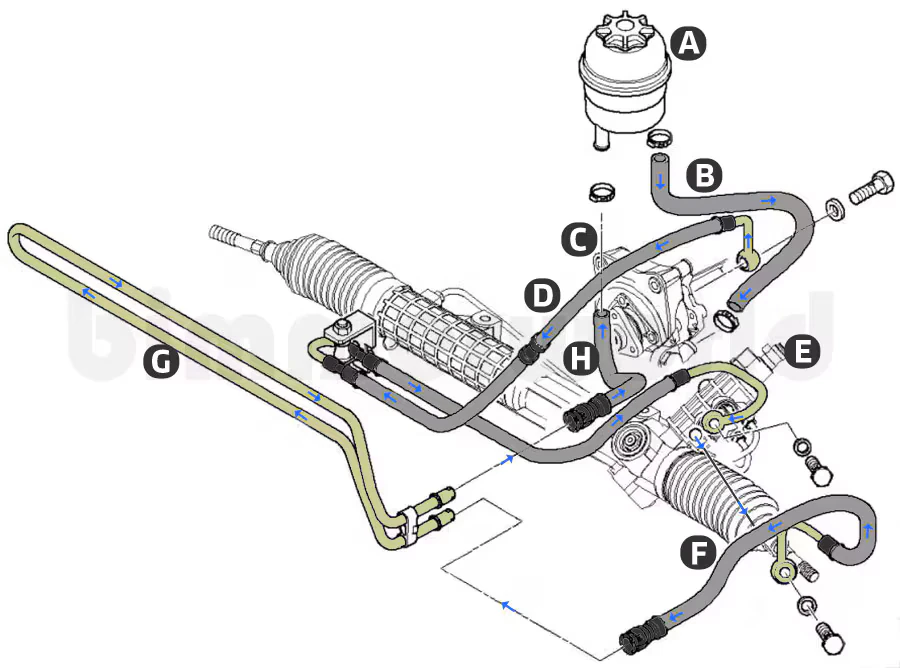
Credit: www.bimmerworld.com
Types Of Steering Ratios
Steering ratio is the link between how much you turn the steering wheel and how much the car’s wheels turn. Different types of steering ratios change the car’s handling and feel.
This article explains two main types of steering ratios. You will learn about high vs low steering ratios and variable steering ratios.
High Vs Low Steering Ratios
High steering ratios mean the steering wheel must turn more to turn the wheels a little. Low steering ratios mean the wheels turn more with less steering wheel movement.
- High Steering Ratio:Offers more control and smoothness.
- Low Steering Ratio:Provides quicker response and faster turning.
- High Ratio Use:Good for highway driving and stability.
- Low Ratio Use:Best for sporty cars and tight spaces.
Variable Steering Ratios Explained
Variable steering ratios change based on how much the steering wheel turns. This system offers both easy turning at low speeds and stable control at high speeds.
| Steering Angle | Steering Ratio | Effect |
| Small angle (city driving) | Low ratio | Less steering wheel turn, easier to park |
| Large angle (highway) | High ratio | More control, stable at speed |
Impact On Vehicle Handling
The steering ratio in cars affects how the vehicle handles on the road. It changes the way the wheels turn in response to the steering wheel.
Understanding the steering ratio helps explain how a car feels when driving. It influences control and safety during driving.
Steering Response And Precision
The steering ratio controls how much the wheels turn when you move the steering wheel. A low ratio means the wheels turn more with less steering wheel movement.
This makes the steering more precise and quick. Drivers can react faster to changes on the road.
- Low steering ratio = faster steering response
- High steering ratio = slower steering response
- Precision improves with lower steering ratio
Effects On Cornering And Stability
A steering ratio also affects how well a car corners. A low ratio helps the car turn sharper and react quickly in corners.
High steering ratio offers smoother steering, which can help with stability at high speeds. It reduces sudden movements of the wheels.
- Low ratio: better for quick, tight cornering
- High ratio: better for steady, stable driving
- Steering ratio balances control and comfort
Choosing The Right Steering Ratio
The steering ratio in cars affects how much you need to turn the steering wheel to move the wheels. It impacts your control and driving comfort.
Picking the right steering ratio depends on your car type and how you drive. It balances ease and precision.
Factors To Consider
Steering ratio choice depends on several key factors. These influence how the car responds to your steering input.
- Vehicle Type:Sports cars often have a quicker ratio for sharp turns. Trucks use slower ratios for stability.
- Driving Speed:High speeds need slower ratios to avoid oversteering. Lower speeds suit quicker ratios for better handling.
- Steering Feel:Some drivers prefer light steering, others want more feedback from the road.
- Power Steering:Cars with power steering can handle quicker ratios easily.
Adjusting For Driving Style And Conditions
Your driving style and conditions change how the steering ratio works for you. Adjustments help improve comfort and safety.
| Driving Style | Recommended Steering Ratio | Reason |
| Aggressive/Performance | Quicker (12:1 to 14:1) | Faster response for sharp turns |
| Casual/Commuting | Moderate (14:1 to 16:1) | Balanced control and ease |
| Off-Road/Heavy Duty | Slower (16:1 to 20:1) | Better stability on rough terrain |
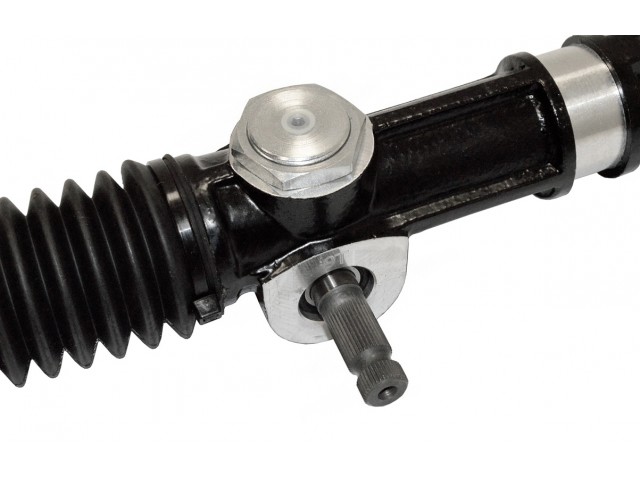
Credit: caterhamparts.co.uk
Frequently Asked Questions
What Does Steering Ratio Mean In Cars?
Steering ratio is how far you turn the steering wheel to turn the wheels.
Why Is Steering Ratio Important For Driving?
It affects how easy or hard it is to steer the car.
How Does Steering Ratio Affect Car Handling?
A lower ratio means quicker turns; a higher ratio means slower, smoother turns.
Can Steering Ratio Change In Different Cars?
Yes, sports cars have lower ratios; trucks usually have higher ratios.
How To Find Your Car’s Steering Ratio?
Check your car manual or ask a mechanic for the exact ratio.
Conclusion
Steering ratio helps you understand how your car turns. It shows how many times you turn the wheel to move the wheels. A low ratio means quicker turns, while a high ratio offers more control. Knowing this helps you drive safer and feel the car better.
Every car has its own steering ratio. Choose one that suits your driving style and road type. Understanding this simple fact improves your driving experience and confidence on the road. Keep this in mind next time you drive or shop for a car.