

Last Updated on April 15, 2026
Have you ever felt your car pulling to one side or noticed uneven tire wear? These issues often point to a common but overlooked problem: wheel alignment.
Getting your wheel alignment checked isn’t just a routine task—it directly affects how your vehicle handles and how safe you feel behind the wheel. If you want smoother steering, better fuel efficiency, and longer-lasting tires, understanding the importance of wheel alignment is key.
Keep reading to discover why this simple adjustment can make a big difference for your driving experience.
How Wheel Alignment Affects Steering
Wheel alignment is key to how your vehicle steers. Proper alignment means the wheels point in the right direction.
Bad alignment can cause steering problems. It affects control and safety on the road.
Impact On Vehicle Handling
When wheels are aligned correctly, your car handles smoothly. You can turn easily and keep control.
- Steering feels stable and responsive
- The vehicle drives straight without pulling
- Cornering is safer and more predictable
- Less effort is needed to keep control
Role In Tire Wear
Wheel alignment helps tires wear evenly. Poor alignment causes uneven wear and shortens tire life.
| Alignment Issue | Effect on Tire Wear |
| Toe Out | Wear on inner edges |
| Toe In | Wear on outer edges |
| Camber Too Positive | Wear on outer side |
| Camber Too Negative | Wear on inner side |
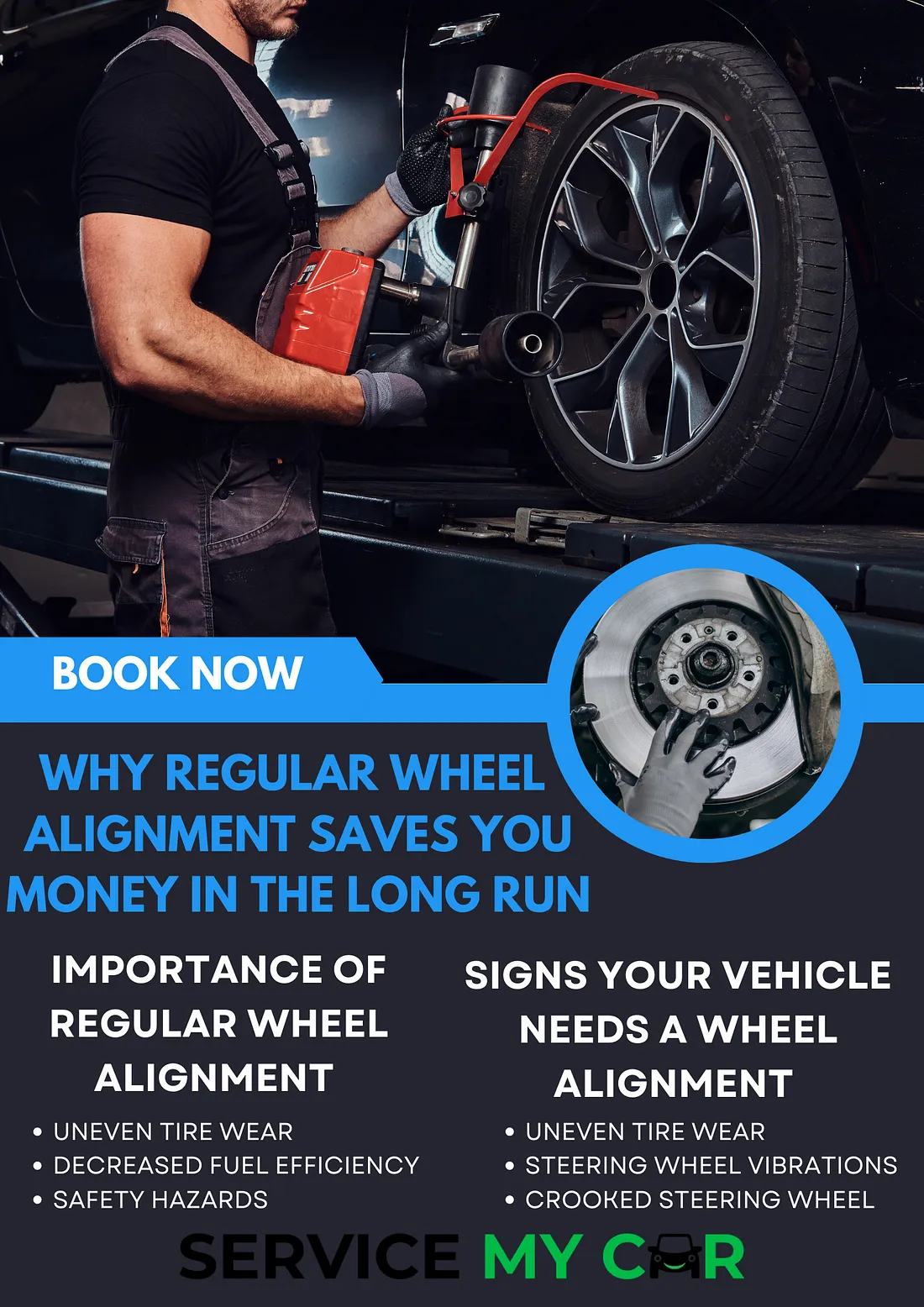
Credit: hackmd.io
Signs Of Misaligned Wheels
Wheel alignment is important for safe driving. Misaligned wheels can cause problems while steering.
Knowing the signs of misaligned wheels helps you fix issues early. This keeps your car in good shape.
Steering Wheel Pulling
If your steering wheel pulls to one side, your wheels may be misaligned. The car might drift left or right.
You need to hold the wheel tightly to keep the car straight. This makes driving harder and less safe.
Uneven Tire Wear Patterns
Misaligned wheels cause tires to wear unevenly. Some parts of the tire wear out faster than others.
Uneven tire wear can lead to tire damage and reduce tire life. It also affects how well your car handles.
- Worn edges on tires
- Patchy or irregular tire tread
- Faster wear on one side
Safety Benefits Of Proper Alignment
Proper wheel alignment keeps your vehicle safe on the road. It helps the car drive straight and react well to steering inputs.
Misaligned wheels can cause steering problems and increase accident risks. Understanding the safety benefits of alignment is very important.
Improved Control On Roads
When wheels are aligned correctly, the vehicle responds smoothly to steering. Drivers find it easier to keep control on all road types.
- Steering feels steady and precise
- Reduced pulling to one side
- Better handling in curves and turns
- Less driver fatigue on long trips
Enhanced Braking Performance
Proper alignment helps brakes work more evenly. This improves stopping power and shortens the distance needed to stop safely.
| Brake Safety Factor | Effect of Proper Alignment |
| Even Brake Wear | Yes, prevents uneven pad wear |
| Shorter Stopping Distance | Yes, improves tire contact with road |
| Vehicle Stability During Braking | Yes, reduces skidding risks |
| Brake Response Time | Improved, due to better control |
Credit: shop.apollotyres.com
Maintaining Wheel Alignment
Wheel alignment keeps your vehicle’s wheels angled correctly. Proper alignment helps your steering stay smooth and safe.
Bad alignment can make your car pull to one side. It also causes uneven tire wear and reduces fuel efficiency.
When To Check Alignment
Check wheel alignment if your car pulls left or right. If the steering wheel is off-center, it may need alignment.
Also check after hitting a curb or pothole. New tires or suspension work are good reasons to check alignment too.
Diy Tips
You can do simple checks at home to spot alignment problems. Look for uneven tire wear as a sign.
Check if your steering wheel is straight when driving on a flat road. If not, it may need adjustment.
- Inspect tires for uneven tread wear
- Drive on a flat road and see if car pulls
- Check if steering wheel is centered when driving straight
- Listen for unusual noises while turning
Professional Services
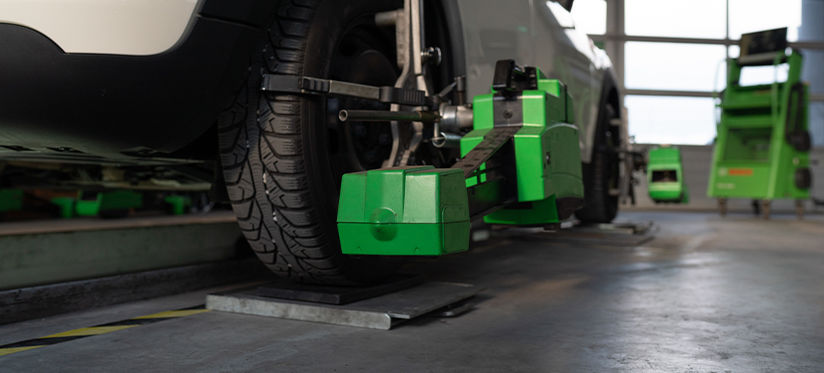
Professionals use special machines to measure wheel angles precisely. They adjust camber, caster, and toe settings.
Professional alignment improves steering control and extends tire life. It also ensures safe driving on all roads.
- Computerized alignment checks for accuracy
- Adjustments to all wheel angles
- Report on vehicle’s suspension condition
- Recommended after suspension repairs or new tires

Credit: thewheelshopinc.com
Frequently Asked Questions
What Is Wheel Alignment And Why Is It Important?
Wheel alignment means adjusting your car’s wheels to the right angles. It keeps steering smooth and tires wearing evenly.
How Does Poor Wheel Alignment Affect Steering?
Poor alignment makes steering pull to one side. It causes uneven tire wear and can make driving unsafe.
How Often Should Wheel Alignment Be Checked?
Check wheel alignment every 12,000 miles or once a year. Also, check after hitting a curb or pothole.
Can Bad Wheel Alignment Cause Tire Damage?
Yes, bad alignment causes tires to wear unevenly and faster. This lowers tire life and increases repair costs.
How Does Wheel Alignment Improve Fuel Efficiency?
Proper wheel alignment reduces rolling resistance. This helps your car use less fuel and saves money on gas.
Conclusion
Proper wheel alignment keeps your steering smooth and safe. It prevents tire wear and saves money on replacements. Good alignment improves fuel efficiency and vehicle handling. It helps avoid accidents by giving better control on the road. Regular checks keep your car running well and comfortable to drive.
Don’t ignore signs like pulling or uneven tire wear. A small effort now can prevent big problems later. Keep your wheels aligned for a safer, smoother ride every time.