

Last Updated on April 15, 2026
Have you ever felt your car slip or lose control on a wet or slippery road? That sudden moment of panic can be terrifying.
Electronic stability control is designed to help you avoid these dangerous situations. Understanding how this technology works and why it matters can make a real difference in keeping you and your loved ones safe. Keep reading to discover why electronic stability in cars is not just a feature—it’s a lifesaver you don’t want to overlook.
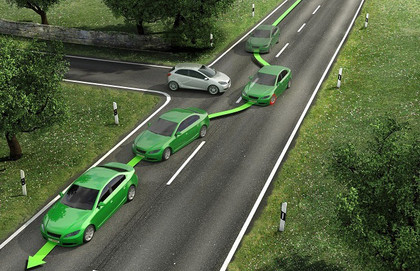
Credit: www.cardekho.com
Role Of Electronic Stability
Electronic stability helps keep cars safe on the road. It works to stop skids and loss of control.
This system uses sensors and brakes to keep the car steady during turns and slippery conditions.
Detecting Loss Of Control
Electronic stability systems watch how the car moves. They detect when the car is slipping or spinning.
Sensors check the steering angle, wheel speed, and car direction to find problems early.
Applying Brakes Selectively
The system applies brakes to one or more wheels. This helps the car regain its intended path.
It slows down the wheels that cause slipping without stopping the entire car.
Improving Driver Control
Electronic stability helps drivers keep control in sharp turns and emergency moves.
It reduces the chances of accidents by making the car easier to handle in tough spots.
Working With Other Safety Systems
Electronic stability works with ABS and traction control. Together, they improve overall safety.
- ABS prevents wheels from locking during braking
- Traction control stops wheels from spinning on slippery roads
- Electronic stability keeps the car on the correct path

Credit: www.jeep-dubaiuae.com
How Stability Systems Work
Electronic stability systems help keep cars on track during driving. They detect loss of control and correct the car’s path. These systems use sensors and brakes to improve safety.
Understanding how these systems work shows their importance. They act fast to prevent accidents and make driving safer in many conditions.
Sensors Detecting Movement
Stability systems use sensors to monitor the car’s behavior. They check the steering angle, wheel speed, and direction. If the car starts to skid, sensors send signals to the control unit.
Control Unit Processing Data
The control unit receives data from sensors and compares it with driver input. It decides if the car is losing stability. If so, it activates the needed corrections to regain control.
Applying Brakes And Adjusting Engine Power
To correct the car’s path, the system can brake individual wheels. It also reduces engine power to prevent spinning. These actions help the driver stay in control.
- Brake one or more wheels to steer the car correctly
- Lower engine power to reduce speed
- Keep the car aligned with the driver’s intended direction
How Stability Systems React Quickly
These systems work in milliseconds. They detect small changes and react fast to avoid bigger problems. This quick response helps prevent accidents on slippery roads.
Comparison Of Stability System Features
| Feature | Function | Benefit |
| Yaw Sensor | Measures rotation of the car | Detects oversteer or understeer |
| Wheel Speed Sensor | Tracks speed of each wheel | Detects slipping wheels |
| Brake Actuators | Apply brakes individually | Corrects car direction |
| Engine Control | Adjusts power output | Reduces wheel spin |
Impact On Road Safety
Electronic stability control helps cars stay on the road. It prevents loss of control during sudden turns or slippery conditions.
This system reduces crashes and saves lives by improving vehicle handling in risky situations.
How Electronic Stability Works
Electronic stability control uses sensors to monitor vehicle movement. It detects when the car starts to skid or slide.
The system applies brakes to individual wheels. It also reduces engine power to help the driver regain control.
Benefits For Drivers And Passengers
- Reduces chances of skidding on wet or icy roads
- Helps keep the car stable during sharp turns
- Prevents rollovers by controlling vehicle sway
- Increases confidence and safety for all occupants
Impact On Accident Statistics
| Type of Accident | Reduction Rate with ESC |
| Single-vehicle crashes | 50% |
| Rollovers | 70% |
| Loss of control crashes | 40% |
Challenges And Limitations
Electronic stability control cannot fix all problems. Drivers must still drive carefully and obey traffic laws.
Some factors ESC cannot control:
- Extreme weather like heavy snow or ice
- Driver distractions or errors
- Mechanical failures unrelated to stability
Credit: www.jeep-dubaiuae.com
Advancements In Stability Tech
Electronic stability helps cars stay on the road during sudden moves. It reduces accidents by keeping control in tricky spots.
New technology makes stability systems smarter and faster. These changes improve safety for drivers and passengers.
Improved Sensors And Algorithms
Modern cars use many sensors to watch wheel speed, steering, and road conditions. The system reacts quickly to changes.
Advanced algorithms process sensor data to detect loss of control early. This helps the car adjust before slipping happens.
Integration With Other Safety Systems
Stability control now works with brakes, engines, and traction control. This teamwork makes cars safer on wet or icy roads.
The system can reduce engine power or brake individual wheels to keep the car steady during sharp turns.
Real-time Road Condition Detection
New tech lets cars sense road surfaces like ice, gravel, or rain. Stability control adjusts to these conditions automatically.
This feature helps drivers stay safe by changing the car’s response to slippery or rough roads quickly.
Enhanced Driver Assistance Features
Electronic stability is part of systems like lane-keeping and automatic emergency braking. These assist drivers in avoiding crashes.
These features work together to keep the car on track and stop it if a collision is near.
Frequently Asked Questions
What Is Electronic Stability Control In Cars?
Electronic stability control helps keep a car steady and prevents skids or slides.
How Does Electronic Stability Improve Car Safety?
It adjusts brakes and engine power to stop loss of control during sudden moves.
Which Cars Have Electronic Stability Control Systems?
Most new cars come with electronic stability control as a standard safety feature.
Can Electronic Stability Control Prevent Accidents In Bad Weather?
Yes, it helps drivers maintain control on slippery or wet roads.
Does Electronic Stability Control Work With Anti-lock Brakes?
Yes, it works together with anti-lock brakes to improve car stability and safety.
Conclusion
Electronic stability helps drivers stay safe on the road. It keeps cars balanced during turns and sudden moves. This system reduces the risk of accidents and loss of control. Every driver benefits from having stability control in their car. It works quietly but protects you in tough situations.
Choosing a car with this feature means safer journeys. Safety should always come first when driving. Electronic stability is a key part of modern car safety. Remember, it helps you drive with confidence and peace of mind.