

Last Updated on April 15, 2026
Have you ever felt your car drift slightly out of its lane without realizing it? Lane-Keeping Assist Systems are designed to help you stay safe by gently guiding your vehicle back on track.
But how exactly do these systems work to keep you centered on the road? Understanding how Lane-Keeping Assist functions can give you greater confidence behind the wheel and help you make smarter choices about your safety. Keep reading to discover the simple technology that’s quietly watching your every move to protect you and your passengers.
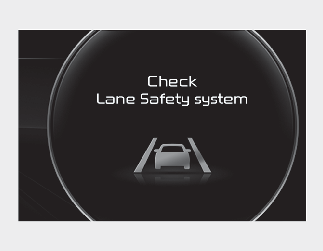
Credit: www.kia.com
Lane-keeping Assist Basics
Lane-keeping assist systems help drivers stay inside their lane. They use technology to detect lane markings on the road.
The system gives warnings or gently steers the car back if it starts to drift out of the lane. This makes driving safer and easier.
Core Components
Lane-keeping assist systems have several key parts that work together. These include sensors, cameras, and control units.
- Cameras:Detect lane markings on the road surface.
- Sensors:Monitor vehicle position and movement.
- Control Unit:Processes data and decides if intervention is needed.
- Steering System:Adjusts the wheel to keep the car inside the lane.
- Alert System:Warns the driver if the car drifts off track.
How Sensors Work
Sensors gather information about the vehicle’s surroundings. They scan lane markers and detect the car’s position on the road.
| Sensor Type | Function |
| Camera | Reads lane lines and road signs |
| Radar | Measures distance to other vehicles |
| Ultrasonic | Detects nearby objects and road edges |
| Steering Angle Sensor | Tracks steering wheel position |
| Yaw Rate Sensor | Measures vehicle rotation and stability |
Detection And Alert Mechanisms
Lane-Keeping Assist Systems help drivers stay in their lane. They use cameras and sensors to watch road markings. If the car starts to drift, the system alerts the driver.
These systems improve safety by reducing unintentional lane departures. Let’s look at how lane marking recognition and driver alerts work.
Lane Marking Recognition
The system uses cameras to detect lane lines on the road. It recognizes solid and dashed lines. It also tracks the vehicle’s position between these lines.
- Front-facing cameras scan the road surface.
- Software analyzes the lane markings’ shapes and colors.
- The system calculates the vehicle’s distance from lane edges.
- Sensors confirm if the car is drifting from its lane.
Driver Alerts And Warnings
The system warns drivers if the car moves out of its lane. Alerts vary by car model. They help drivers react quickly to stay safe.
| Alert Type | Description | Purpose |
| Audible Warning | Beeping sound or chime | Grab driver’s attention |
| Visual Alert | Dashboard light or message | Inform driver of lane departure |
| Steering Feedback | Gentle vibration in steering wheel | Encourage lane correction |
| Automatic Steering | System gently steers car back | Prevent lane departure |
Steering And Control Adjustments
Lane-Keeping Assist Systems help drivers stay inside their lane. They use sensors and cameras to watch the road.
The system makes small steering changes to keep the car centered. This support reduces accidents caused by drifting.
Automatic Steering Corrections
The system detects lane markings using cameras. It checks if the car moves close to the edge of the lane.
If the car drifts, the system gently turns the steering wheel. This helps the car stay in the middle of the lane.
- Sensors detect lane boundaries continuously
- Steering adjusts smoothly to avoid sudden moves
- Driver can override the system anytime
- Alerts warn the driver before corrections
Integration With Other Systems
Lane-Keeping Assist works with other safety features. It shares information with systems like Adaptive Cruise Control.
This teamwork helps the car manage speed and direction safely. It creates a smoother driving experience on highways.
- Works with braking systems to slow the car if needed
- Uses steering and speed data to stay centered
- Alerts combine sounds and visual signals
- Improves overall vehicle safety by sharing data

Credit: www.kia.com
Benefits And Limitations
Lane-Keeping Assist Systems help drivers stay in their lane on the road. These systems use cameras and sensors to detect lane markings.
While they improve safety, they also have some limits that drivers should know about.
Safety Advantages
Lane-Keeping Assist Systems reduce accidents by warning or correcting the vehicle’s path. They help prevent side collisions and run-off-road crashes.
- Alert drivers when drifting out of lane
- Apply gentle steering corrections automatically
- Reduce driver fatigue on long trips
- Enhance overall road safety for all users
Common Challenges
These systems can struggle under certain conditions. Poor weather or unclear lane markings may cause errors.
| Challenge | Effect |
| Heavy rain or fog | Reduced sensor visibility |
| Faded or missing lane lines | System may not detect lanes |
| Sharp curves | Incorrect steering corrections |
| Road construction zones | Confusing lane changes |

Credit: www.ford.com.au
Frequently Asked Questions
What Is A Lane-keeping Assist System?
A lane-keeping assist system helps keep your car inside lane markings while driving.
How Do Lane-keeping Systems Detect Road Lanes?
They use cameras and sensors to see lane markings on the road.
Can Lane-keeping Assist Prevent Accidents?
Yes, it reduces accidents by warning and gently steering you back into lane.
Does Lane-keeping Assist Work In Bad Weather?
Its performance can drop in heavy rain, fog, or snow due to poor visibility.
Is Lane-keeping Assist Available In All Cars?
No, it is mostly found in newer or higher-end vehicles with advanced safety features.
Conclusion
Lane-Keeping Assist Systems help keep drivers safe on the road. They use cameras and sensors to detect lane markings. If the car drifts, the system gently steers it back. This technology reduces accidents caused by unintentional lane departure. It supports drivers, especially on long or tiring trips.
Understanding how it works helps you trust it more. Stay aware and use this system wisely. It’s a useful aid, not a replacement for attention. Drive safely and benefit from this helpful technology.