

Last Updated on April 15, 2026
Imagine a car that not only drives you but also understands your needs, keeps you safe, and connects seamlessly with your digital life. The future of automotive electronics is shaping up to do exactly that—and much more.
If you’re curious about how the latest technology will transform your driving experience, your safety, and even the way you interact with vehicles, this is the moment to pay attention. This article will reveal the exciting changes coming to the automotive world and how they will impact you every time you hit the road.
Ready to discover what’s next? Keep reading.

Credit: www.openpr.com
Emerging Technologies
The future of automotive electronics is shaped by new and smart technologies. These changes make cars safer, smarter, and more efficient.
Automakers use advanced tools and systems to improve driving and vehicle performance. These technologies will guide the next steps in car design.
Advanced Sensors And Connectivity
Cars use sensors to detect the environment around them. These sensors help with safety and navigation by collecting real-time data.
Connectivity allows cars to communicate with each other and with road systems. This leads to better traffic management and fewer accidents.
- Radar and lidar sensors for object detection
- Camera systems for lane and obstacle recognition
- Vehicle-to-vehicle (V2V) and vehicle-to-infrastructure (V2I) communication
Artificial Intelligence Integration
Artificial intelligence (AI) helps cars learn from data and improve over time. It supports driver assistance and autonomous driving features.
AI processes information from sensors to make quick decisions. It can predict hazards and adjust vehicle behavior to keep passengers safe.
- AI algorithms for real-time decision making
- Machine learning to improve vehicle responses
- Voice recognition for hands-free control
Next-gen Battery Systems
New battery technologies provide longer range and faster charging. These batteries are lighter and more efficient than before.
Improved batteries reduce costs and environmental impact. They support the growth of electric vehicles by making them more practical.
- Solid-state batteries with higher energy density
- Fast-charging systems for quick power refill
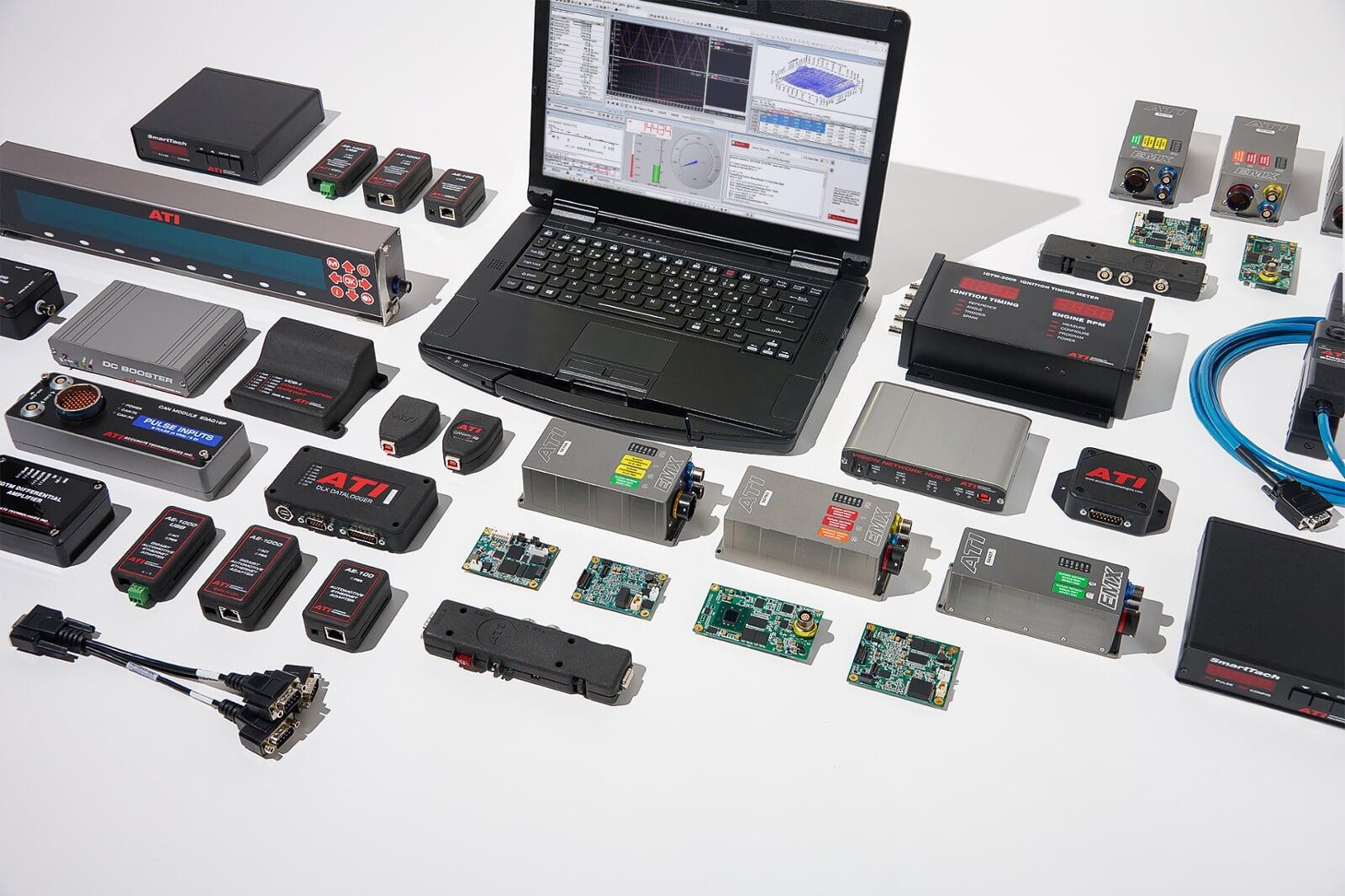
- Battery management systems to extend battery life
Credit: www.accuratetechnologies.com
Autonomous Driving
Autonomous driving means cars can drive by themselves. They use sensors and computers to move safely.
This technology changes how people travel and how cars work. It makes driving easier and safer.
Levels Of Automation
There are six levels of automation in cars. They range from no automation to full self-driving.
Each level shows how much control the car has over driving tasks.
- Level 0: No automation; driver controls everything
- Level 1: Driver assistance with some functions
- Level 2: Partial automation; car controls steering and speed
- Level 3: Conditional automation; car handles driving in some cases
- Level 4: High automation; car drives itself in most conditions
- Level 5: Full automation; no driver needed at all
Safety Enhancements
Autonomous cars use many tools to improve safety. Cameras, radar, and sensors watch the road.
These tools help avoid accidents by detecting obstacles and stopping quickly.
- Automatic braking to avoid collisions
- Lane keeping to stay in the correct lane
- Adaptive cruise control to maintain safe distance
- Driver alert systems to prevent drowsiness
Regulatory Challenges
Rules for self-driving cars are still being made. Laws must keep people safe and support technology.
Different countries have different rules. This slows down the spread of autonomous vehicles.
- Testing and safety standards must be clear
- Liability in accidents needs legal definition
- Privacy concerns about data collection
- Road infrastructure may need updates
Smart Vehicle Architecture
Smart vehicle architecture is the new design for car electronics. It helps cars work faster and smarter.
This architecture connects many electronic parts to improve safety and comfort.
Electronic Control Units
Electronic Control Units (ECUs) are small computers inside cars. They control functions like braking, steering, and engine work.
Modern cars have many ECUs that talk to each other. This helps the car react quickly to changes.
In-vehicle Networks
In-vehicle networks connect all ECUs inside the car. They send data fast and keep the car systems working together.
Common networks include CAN, LIN, and Ethernet. Each type helps with different tasks inside the vehicle.
- CAN handles engine and safety systems
- LIN is used for simple controls like windows
- Ethernet supports high-speed data for cameras and sensors
Cybersecurity Measures
Cars need strong cybersecurity to stop hackers. Protecting data and systems keeps drivers safe.
Security includes encryption, firewalls, and regular software updates. These measures block threats and fix weak spots.
- Encryption scrambles data to keep it secret
- Firewalls control what data enters the car
- Software updates fix security holes
Credit: www.idtechex.com
Sustainability Trends
Automotive electronics are shifting towards greener solutions. Sustainability is a key focus for future developments.
Innovations aim to reduce environmental impact while improving vehicle performance and efficiency.
Electric Powertrain Innovations
Electric powertrains reduce emissions by replacing traditional engines. New designs improve range and power.
- Use of high-capacity batteries for longer drives
- Integration of lightweight motors to cut energy use
- Advanced cooling systems to boost efficiency
- Regenerative braking to save energy
Energy Efficiency Improvements
Cars use less energy through smarter electronics and software. These changes lower fuel consumption and emissions.
| Technology | Benefit |
| Smart Energy Management | Optimizes battery use |
| LED Lighting | Consumes less power |
| Low-Resistance Wiring | Reduces energy loss |
| Efficient HVAC Systems | Lowers fuel use |
Recyclable Materials
Using recyclable materials lowers waste and resource use. Car makers choose parts that can be reused or recycled.
Common recyclable materials in automotive electronics include:
- Aluminum for lightweight frames
- Recycled plastics for interior parts
- Copper wiring from recycled sources
- Rare earth magnets with recycling programs
Frequently Asked Questions
What Is The Future Of Automotive Electronics?
Automotive electronics will grow with smart features, better safety, and electric vehicle support.
How Do Electronics Improve Car Safety?
Electronics help by enabling features like automatic braking, lane assist, and collision warnings.
What Role Do Sensors Play In Future Cars?
Sensors collect real-time data to improve driving accuracy and enhance vehicle performance.
How Will Electric Vehicles Affect Automotive Electronics?
Electric vehicles need advanced electronics for battery management, charging, and energy efficiency.
What Are Key Challenges In Automotive Electronics Development?
Challenges include ensuring reliability, cybersecurity, and keeping costs low for consumers.
Conclusion
Automotive electronics will shape how cars work and feel. Cars will become smarter and safer with new technology. Drivers will enjoy better control and more comfort. Electric and self-driving cars will rely on advanced electronics. This change will make travel easier and cleaner.
The future of cars is closely tied to these innovations. Staying informed about these trends helps understand tomorrow’s vehicles. The road ahead is exciting and full of promise.