

Last Updated on April 15, 2026
Have you ever driven at night and wished your car’s headlights could see around corners or adjust to the road ahead? Adaptive headlights do exactly that—they change the direction and intensity of light to match your driving conditions.
Understanding how these smart headlights work can make your night drives safer and more comfortable. You’ll discover the simple science behind adaptive headlights and how they can protect you on the road. Keep reading to learn how this technology can improve your driving experience every time the sun goes down.
Credit: www.teslarati.com
Basics Of Adaptive Headlights
Adaptive headlights help drivers see better at night. They change the light direction based on driving conditions.
These headlights improve safety by lighting the road ahead more clearly. They adjust automatically to curves and turns.
Key Components
Adaptive headlights use different parts to work together. These parts help the headlights move and adjust light beams.
- Sensors detect the car’s speed and steering angle
- Motors or actuators move the headlights
- Control unit processes data and controls the lights
- Light source, such as LED or HID bulbs
Types Of Adaptive Systems
There are different types of adaptive headlights. Each type changes the light pattern in a special way.
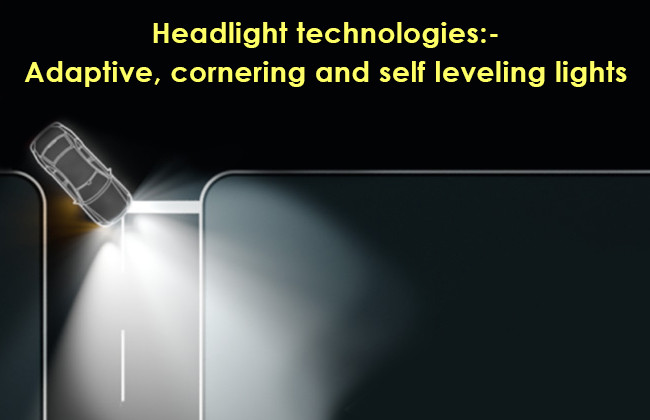
- Static adaptive headlights move with the steering wheel to light curves
- Dynamic adaptive headlights adjust beam shape based on speed and road
- Matrix headlights use many small LEDs to control light precisely
- Glare-free high beams block light from hitting other drivers
Credit: www.cardekho.com
Technology Behind Adaptive Lighting
Adaptive headlights improve night driving by adjusting light direction. They help drivers see better on curves and avoid blinding others.
This system uses advanced technology to sense the road and control the lights automatically.
Sensors And Cameras
Sensors and cameras collect data about the vehicle’s surroundings. They detect objects, road curves, and other vehicles.
- Light sensors measure ambient light levels.
- Cameras capture images of the road ahead.
- Steering angle sensors detect turns.
- Speed sensors track the vehicle’s velocity.
Control Mechanisms
The control system processes sensor data to adjust the headlights. It changes the beam direction and intensity for safety.
| Control Component | Function |
| Electronic Control Unit (ECU) | Processes sensor input and controls light movement |
| Actuators | Move the headlights left, right, up, or down |
| Software Algorithms | Calculate best light angle based on driving data |
| Power Supply | Provides electricity to the headlights and control system |
Benefits For Night Driving
Adaptive headlights help drivers see better at night. They change direction with the car’s movements.
This feature makes driving in the dark easier and safer for everyone on the road.
Improved Visibility
Adaptive headlights adjust their light beam to the road ahead. This helps drivers spot obstacles early.
They turn with the steering wheel, lighting up curves and corners clearly.
- Light follows the car’s direction
- Better illumination on winding roads
- Less glare for oncoming drivers
Enhanced Safety Features
Adaptive headlights reduce accidents by improving driver reaction time. They help see pedestrians and animals sooner.
The system can also dim parts of the beam to avoid blinding other drivers.
- Better detection of hazards
- Reduces glare for other drivers
- Improves overall night driving safety
Future Trends In Headlight Technology
Headlight technology keeps evolving to make driving safer and easier. New designs use smart sensors and better lights.
These trends focus on how headlights work with new car systems and use advanced materials.
Integration With Autonomous Vehicles
Adaptive headlights will link with self-driving car systems. They adjust lights based on car sensors and road data.
- Headlights change beam pattern when the car detects obstacles.
- Lights communicate with other vehicles for better road safety.
- They react faster than human drivers to improve night driving.
- Systems reduce glare for other drivers automatically.
Advancements In Light Sources
New light sources are brighter and use less power. They last longer and offer better control.
| Light Source | Energy Use | Brightness | Expected Life |
| Halogen | High | Medium | 1,000 hours |
| LED | Low | High | 25,000 hours |
| Laser | Very Low | Very High | 30,000 hours |

Credit: www.youtube.com
Frequently Asked Questions
What Are Adaptive Headlights In Cars?
Adaptive headlights adjust the light direction based on steering and speed for better road visibility.
How Do Adaptive Headlights Improve Night Driving?
They turn with the steering to light up curves and corners, helping drivers see better at night.
Do Adaptive Headlights Work In All Weather Conditions?
Yes, they help improve visibility in rain, fog, and snow by adjusting light direction smartly.
Are Adaptive Headlights Different From Regular Headlights?
Yes, adaptive headlights move and change angle, unlike fixed regular headlights that always point straight.
Can Adaptive Headlights Reduce Accidents At Night?
Yes, by improving road visibility and lighting curves, they help drivers react faster and drive safer.
Conclusion
Adaptive headlights improve night driving safety by lighting the road ahead. They turn and adjust with your steering and speed. This helps you see curves and obstacles better. These headlights reduce glare for other drivers too. They use sensors and motors to work smoothly.
Understanding how they function makes you a smarter driver. Safer roads start with better technology and awareness. Keep an eye on your headlights and enjoy clearer vision on dark roads.