

Last Updated on April 15, 2026
Have you ever wondered how modern cars respond so quickly and smoothly when you press the gas or brake pedal? The secret behind this impressive control lies in a technology called Drive-By-Wire.
This innovation is changing the way your vehicle connects with you, making driving safer, easier, and more efficient. You’ll discover what Drive-By-Wire technology is, how it works, and why it matters to your driving experience. Keep reading to unlock the future of car control and see how it could improve your time on the road.
Drive-by-wire Basics
Drive-by-wire technology uses electronic systems to control a vehicle. It replaces traditional mechanical linkages.
This system sends signals through wires instead of using physical connections. It helps improve response and design flexibility.
Mechanical Vs Electronic Control
Mechanical control uses physical parts like cables and rods. These parts connect the driver’s input to the car’s parts.
Electronic control uses sensors and computers. It sends signals to operate steering, brakes, or throttle without physical links.
- Mechanical control relies on direct physical connection
- Electronic control uses sensors and wiring for commands
- Mechanical parts can wear out or break over time
- Electronic systems are easier to update and adjust
Core Components
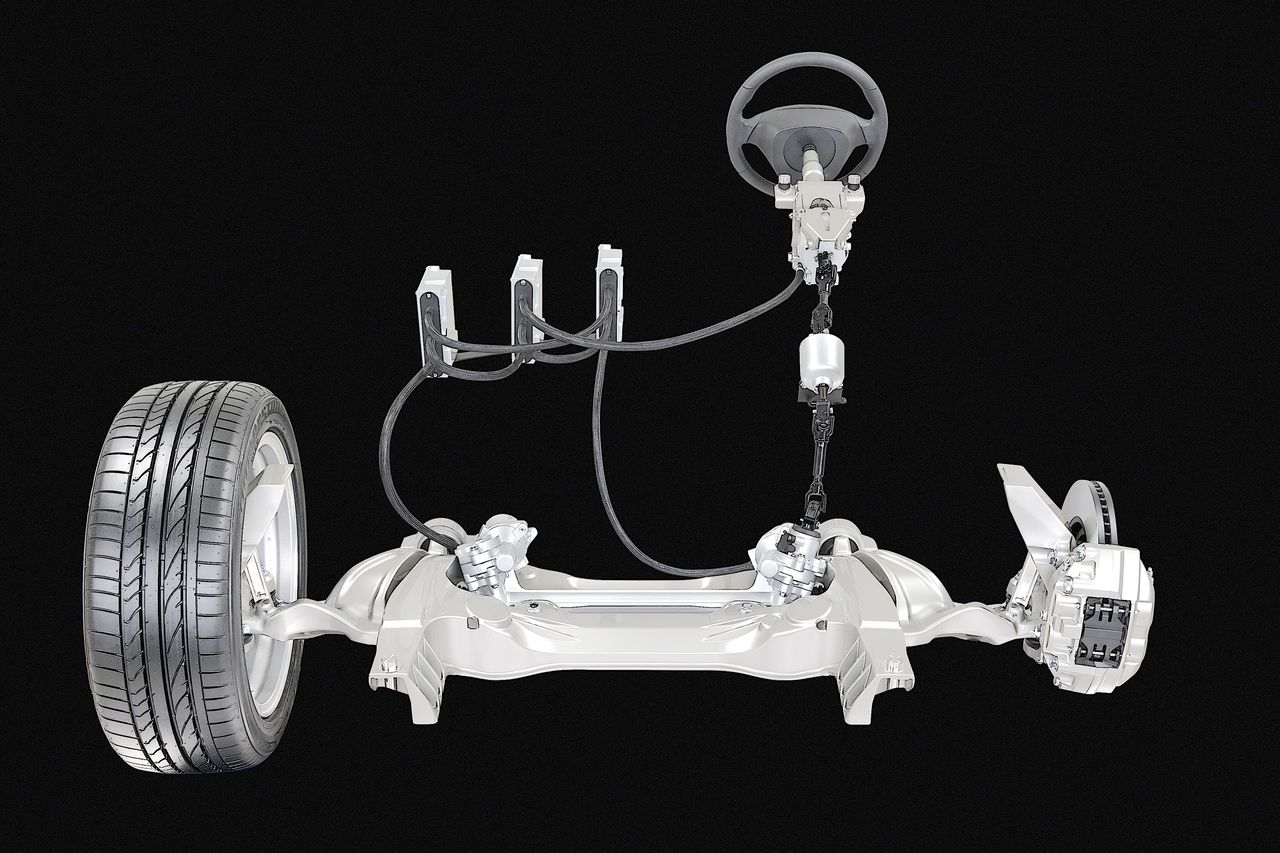
Drive-by-wire systems have key parts that work together. These parts include sensors, controllers, and actuators.
Sensors detect the driver’s actions. Controllers process the data. Actuators move the vehicle’s parts as needed.
- Sensors:Detect pedal or steering movements
- Controllers:Convert signals into commands
- Actuators:Perform the actual movement or braking
- Wiring:Connects all components for communication

Credit: www.anzer-usa.com
Key Benefits
Drive-by-wire technology uses electronic controls instead of traditional mechanical parts. It replaces cables and rods with sensors and actuators.
This system improves how vehicles respond and operate. It offers benefits in safety and performance.
Enhanced Safety Features
Drive-by-wire systems can detect problems faster than mechanical parts. They reduce the risk of failure by using backup systems.
The electronic controls allow better stability and control. They help prevent accidents by adjusting the vehicle automatically.
- Faster response to driver inputs
- Automatic adjustments for slippery roads
- Reduces mechanical wear and tear
- Backup systems increase reliability
Improved Vehicle Performance
Drive-by-wire technology gives more precise control over the vehicle. It adjusts engine power and braking smoothly.
This precision leads to better fuel efficiency and less pollution. It also makes driving easier and more comfortable.
- Smoother acceleration and braking
- Better fuel economy
- Lower emissions
- Customizable driving settings
Challenges And Risks
Drive-by-wire technology replaces mechanical controls with electronic systems. It offers many benefits but also brings challenges and risks. Understanding these issues helps improve safety and design.
This technology depends heavily on software and sensors. Any failure or attack can cause serious problems.
System Reliability
Drive-by-wire systems must work without fail. Mechanical parts are replaced by electronic components. If these parts fail, the driver may lose control.
Manufacturers test these systems in many conditions. They add backup systems to avoid total failure. Still, unexpected errors can happen.
- Electronic parts can fail due to heat or wear
- Software bugs may cause wrong commands
- Backup systems add safety but increase cost
- Regular maintenance is essential for reliability
Cybersecurity Concerns
Drive-by-wire uses networks to send signals inside the car. These networks can be attacked by hackers. Cybersecurity is a big risk for these systems.
Hackers can try to take control or cause malfunctions. Protecting the system requires strong security measures. Car makers must update software regularly.
- Wireless connections can be entry points for hackers
- Weak passwords or software flaws increase risk
- Encryption helps protect data transmissions
- Regular updates fix security holes
Credit: www.designnews.com
Future Of Drive-by-wire
Drive-by-wire technology uses electronic controls instead of mechanical links. It changes how vehicles respond and operate. The future of this tech is linked to many new vehicle designs.
Electric signals replace physical connections for steering, braking, and throttle. This opens doors for smart and safer driving systems. The technology will grow alongside new car trends and innovations.
Integration With Autonomous Vehicles
Drive-by-wire systems are key for self-driving cars. They allow computers to control the vehicle smoothly and safely. This tech removes the need for a driver to touch controls directly.
- Enables precise and quick vehicle responses
- Supports automatic steering and braking
- Allows easy updates through software changes
- Works with sensors to avoid accidents
- Reduces weight by removing mechanical parts
Advancements In Sensor Technology
Sensors are improving for better drive-by-wire performance. They help the car detect road conditions and driver actions. New sensors are more accurate and faster than before.
| Sensor Type | Function | Benefit |
| Position Sensors | Track steering and pedal position | Precise control input |
| Pressure Sensors | Measure brake and throttle force | Safer braking and acceleration |
| Temperature Sensors | Monitor system heat levels | Prevent overheating failures |
| Optical Sensors | Detect obstacles and lane markings | Improve autonomous response |
Credit: medium.com
Frequently Asked Questions
What Is Drive-by-wire Technology In Cars?
Drive-by-wire technology replaces mechanical controls with electronic systems for steering and acceleration.
How Does Drive-by-wire Improve Vehicle Control?
It offers faster response and precise control by using electronic signals instead of cables.
Are Drive-by-wire Systems Safer Than Traditional Ones?
Yes, they reduce mechanical failures and allow integration with safety features like stability control.
What Vehicles Commonly Use Drive-by-wire Technology?
Most modern cars, electric vehicles, and some motorcycles use drive-by-wire systems today.
Can Drive-by-wire Technology Save Fuel?
Yes, it helps optimize engine performance and improves fuel efficiency through precise control.
Conclusion
Drive-by-wire technology changes how cars respond to your controls. It uses electronic signals instead of mechanical parts. This makes cars lighter and easier to control. Safety and precision improve with this system. Many modern vehicles now use drive-by-wire for better performance.
The technology will keep growing in the future. Understanding it helps you see how cars evolve today. Simple and smart—drive-by-wire shapes driving’s next steps.