

Last Updated on April 15, 2026
Have you ever wondered how something as simple as a seatbelt can save your life? Every time you buckle up, you’re taking a crucial step to protect yourself in ways you might not fully realize.
Seatbelts do more than just keep you in place—they shield your body from severe injuries during sudden stops or crashes. Understanding how seatbelts work can change the way you think about safety and why wearing one every time isn’t just a rule, but a lifesaver.
Keep reading to discover the powerful science behind seatbelts and how they protect you on every ride.
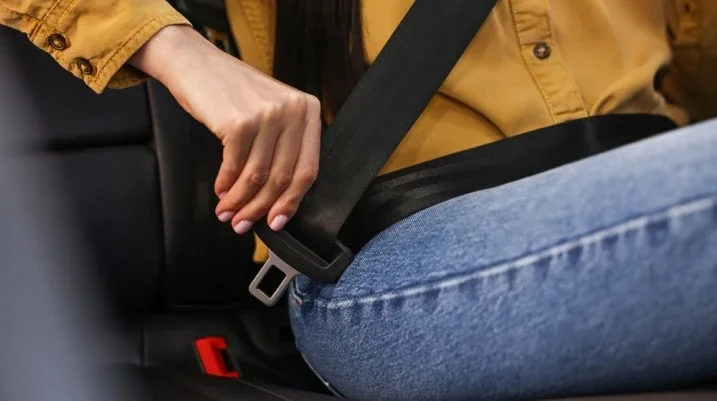
Credit: www.forthepeople.com
How Seatbelts Work
Seatbelts keep passengers safe during car rides. They stop people from moving too much in crashes.
By holding the body firmly, seatbelts reduce injuries and save lives in accidents.
Basic Mechanics
Seatbelts use strong straps to hold passengers in their seats. They stretch slightly to absorb force.
When a crash happens, the belt tightens quickly to keep the person from moving forward.
- The belt locks in place during sudden stops
- It spreads the crash force over the body
- The straps prevent hitting the dashboard or windshield
Types Of Seatbelts
There are different seatbelt types in vehicles. Each offers safety in different ways.
The common types include lap belts and three-point belts.
- Lap beltsgo across the waist. They stop the lower body from moving.
- Three-point beltsgo across the chest and waist. They hold the upper and lower body.
- Automatic seatbeltsmove into place when the door closes.
Impact On Passenger Safety
Seatbelts play a key role in keeping passengers safe during car crashes. They help reduce injuries and save lives.
Wearing a seatbelt correctly lowers the risk of serious harm. It keeps passengers secure and prevents dangerous movements.
Preventing Ejection
Seatbelts stop passengers from being thrown out of the vehicle in a crash. Ejection can cause severe injuries or death.
By holding passengers firmly in their seats, seatbelts reduce the chance of flying out through windows or doors.
- Keep passengers inside the car during impact
- Reduce risk of hitting hard objects outside the vehicle
- Help airbags work better by keeping passengers in place
Reducing Injury Severity
Seatbelts spread crash forces over stronger parts of the body. This lowers the chance of serious injuries.
They slow down the body’s movement during a crash. This reduces damage to the head, chest, and spine.
- Protect vital organs by distributing impact forces
- Prevent passengers from hitting the dashboard or windshield
- Lower risk of cuts, bruises, and broken bones
Common Myths About Seatbelts
Many people believe wrong things about seatbelts. These myths can make them avoid wearing seatbelts.
Understanding the truth helps keep passengers safe. Seatbelts save lives and reduce injuries.
False Safety Assumptions
Some think seatbelts are not needed for short trips. They believe crashes only happen on highways.
Others assume airbags alone protect them. Seatbelts work with airbags to keep passengers safe.
- Short trips still carry crash risks.
- Airbags need seatbelts to work properly.
- Backseat passengers also need seatbelts.
- Loose or twisted seatbelts reduce protection.
Misuse Consequences
Wearing a seatbelt wrong can cause injury. For example, putting the belt under the arm is dangerous.
Not tightening the belt lets the body move too much in a crash. This increases harm.
- Seatbelt under arm or behind back is unsafe.
- Loose belts do not hold passengers well.
- Not using the lap belt can cause internal injuries.
- Children need correct seatbelt fit or car seats.
Credit: www.lemon8-app.com
Technological Advances In Seatbelts
Seatbelts save lives by holding passengers in place during crashes. New technology makes them safer and smarter.
Car makers use sensors and materials to improve seatbelt protection. These changes help reduce injuries in accidents.
Smart Seatbelt Features
Smart seatbelts use sensors to adjust tension. They tighten or loosen depending on the crash risk.
Some seatbelts can detect if a passenger is not buckled. They send alerts to remind the driver to fasten them.
- Automatic tension adjustment for better safety
- Seatbelt reminder alerts for unbuckled passengers
- Integration with airbags for coordinated protection
- Weight sensors to detect passenger presence
Future Innovations
Future seatbelts may use new materials that are stronger and lighter. This can increase comfort and safety.
Advanced systems might link seatbelts with car computers. They could react faster in crashes to protect passengers.
- Smart fabrics that change strength during a crash
- Seatbelt air cushions to reduce impact force
- AI systems predicting crashes and preparing seatbelts
- Custom fit seatbelts using body scanning technology

Credit: www.cdc.gov
Frequently Asked Questions
How Do Seatbelts Reduce Injury In Car Accidents?
Seatbelts spread the force of a crash across strong body parts, reducing injury risk and keeping passengers safe.
Why Is Wearing A Seatbelt Important For All Passengers?
Seatbelts prevent passengers from being thrown forward or out of the vehicle during a crash, saving lives.
Can Seatbelts Protect Passengers In All Types Of Crashes?
Yes, seatbelts help in most crashes by controlling movement and reducing impact forces on the body.
How Do Seatbelts Work With Airbags To Protect Passengers?
Seatbelts hold passengers in place so airbags can cushion the impact properly during a collision.
What Happens If Passengers Don’t Wear Seatbelts In A Crash?
Unbelted passengers risk serious injury or death from hitting the dashboard, windshield, or flying out of the car.
Conclusion
Seatbelts save lives by keeping passengers safe during crashes. They stop people from hitting hard surfaces inside cars. Wearing a seatbelt reduces the chance of serious injury. It also helps drivers stay focused and in control. Always buckle up before starting your journey.
Safety starts with this simple action. Protect yourself and others every time you ride. Small effort, big difference.