

Last Updated on April 15, 2026
Imagine driving without ever needing to take your hands off the wheel or your eyes off the road. Sounds safer and more convenient, right?
That’s exactly what voice control systems in cars offer you. But have you ever wondered how these systems understand your commands so quickly and accurately? You’ll discover the simple yet powerful technology behind voice control in cars. By the end, you’ll see how this smart feature can make your driving experience easier and more enjoyable.
Keep reading to unlock the secrets behind the voice in your car.
Voice Recognition Technology
Voice control systems in cars use voice recognition technology to understand driver commands. This technology helps drivers keep their hands on the wheel and eyes on the road.
The system listens to spoken words and turns them into actions. It uses advanced software to detect, understand, and learn from speech.
Speech Detection Methods
Speech detection finds the start and end of a spoken command. It separates voice from background noise inside the car.
Microphones capture sound, and software filters out noise. This process makes sure the system hears only what the driver says.
- Voice activity detection identifies speech versus silence
- Noise reduction removes engine and road sounds
- Echo cancellation stops sounds bouncing inside the car
Natural Language Processing
Natural language processing (NLP) helps the system understand the meaning of words. It turns spoken sentences into commands the car can follow.
NLP breaks down sentences into parts. It recognizes keywords and context to decide what the driver wants.
- Syntax analysis checks grammar and sentence structure
- Semantic analysis finds the meaning of words and phrases
- Intent recognition understands the driver’s goal
Machine Learning Integration
Machine learning trains the system to improve over time. It learns from past commands and adapts to different voices.
The system uses data to get better at recognizing speech. It can adjust to accents and speech speed for each driver.
- Voice pattern recognition adapts to individual users
- Error correction improves understanding after mistakes
- Continuous learning updates the system with new data

Credit: www.kardome.com
Components Of Car Voice Systems
Voice control systems in cars let drivers talk to their vehicles. These systems use special parts to hear, process, and respond to commands.
Each part plays a key role in making voice control work smoothly and safely while driving.
Microphones And Sensors
Microphones pick up the driver’s voice inside the car. They are placed in different spots to catch sound clearly.
Sensors help detect noise and filter out background sounds. This makes the system understand commands better.
- Multiple microphones reduce noise from road and engine
- Noise-canceling sensors improve voice clarity
- Positioned near the driver for accurate sound capture
In-car Processors
In-car processors handle the voice data from microphones. They turn voice commands into actions the car can perform.
These processors use software to recognize speech and control car functions like navigation or music.
- Speech recognition software interprets commands
- Processes commands quickly for real-time response
- Works with other car systems to execute tasks
Connectivity Modules
Connectivity modules link the car’s voice system to external services. They use wireless signals to access the internet or phone networks.
This connection lets the system get information like weather, traffic, or make calls for the driver.
- Use Bluetooth or Wi-Fi for communication
- Connect to smartphones and cloud services
- Enable updates and new voice features remotely
User Interaction And Commands
Voice control systems in cars let drivers use their voice to operate features. This helps keep eyes on the road and hands on the wheel.
These systems listen to spoken commands and act on them quickly. They improve driving safety and convenience.
Common Voice Commands
Cars with voice control understand many commands. These include basic tasks like making calls and playing music.
- “Call [contact name]” to start a phone call
- “Play [song or artist]” to listen to music
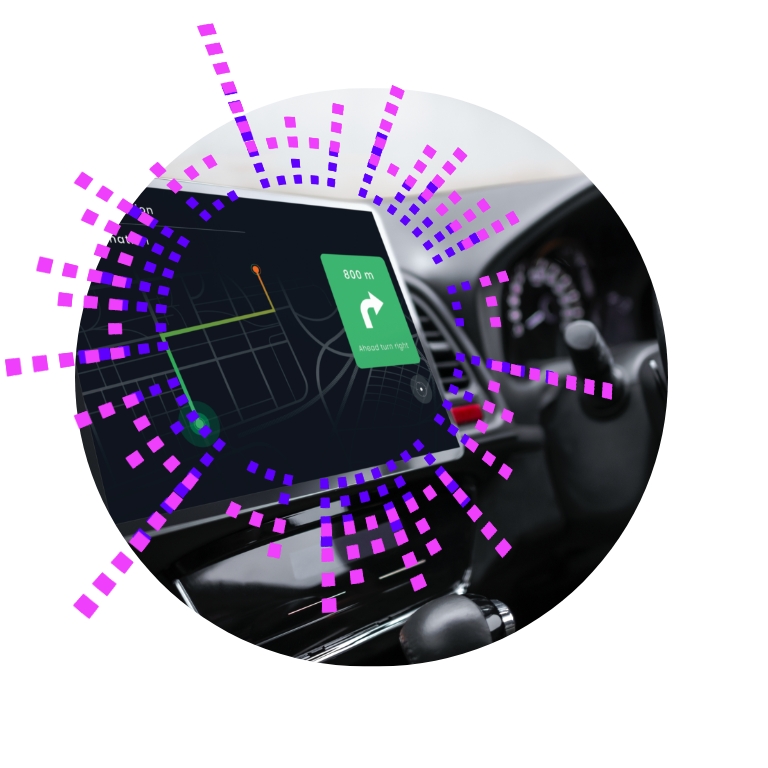
- “Navigate to [location]” for directions
- “Set temperature to [number] degrees” for climate control
- “Read messages” to hear text messages aloud
Command Accuracy And Feedback
Voice systems use microphones and software to recognize speech. They try to match spoken words with known commands.
| Feature | Description |
| Noise Reduction | Filters background sounds for clearer voice detection |
| Voice Recognition | Identifies different speakers and accents |
| Confirmation Feedback | System repeats or displays commands to confirm action |
| Error Correction | Asks user to repeat or correct unclear commands |
Customization Options
Drivers can adjust voice control settings to improve use. Custom options help make the system easier to understand and use.
Customization features include:
- Choosing preferred language or accent
- Setting wake words or phrases
- Adjusting system volume and speech speed
- Adding custom commands for specific tasks

Credit: medium.com
Challenges And Future Trends
Voice control systems in cars help drivers use features without hands. These systems face many challenges to work well.
New technologies and ideas aim to improve voice control for safer driving and better user experience.
Noise And Environment Factors
Cars are noisy places. Engine sounds, road noise, and wind can make it hard for voice systems to hear commands.
Background noise from other passengers or music also affects how well the system understands speech.
- Wind and engine noise reduce voice clarity
- Multiple voices confuse the system
- Different accents and speech speeds add difficulty
Privacy And Security Concerns
Voice control systems collect and process a lot of personal data. This raises privacy concerns for users.
Hackers might try to access car controls through voice commands. Security must protect users from such risks.
- Data encryption helps protect user information
- Voice recognition must verify the right user
- Clear privacy policies build trust with users
Advancements In Ai And Automation
Artificial intelligence (AI) improves voice system accuracy. It learns user habits and adapts to different voices.
Automation allows cars to respond faster to voice commands. This makes driving easier and safer.
- AI improves understanding of natural language
- Machine learning adapts to user speech over time
- Integration with other car systems increases functionality
Credit: www.readspeaker.com
Frequently Asked Questions
How Do Voice Control Systems Recognize My Commands?
They use microphones and software to turn your speech into text for the car to understand.
What Technology Powers Voice Control In Cars?
Voice control relies on speech recognition, natural language processing, and cloud computing.
Can Voice Systems Work Without Internet In My Car?
Some basic commands work offline, but advanced features often need an internet connection.
How Do Cars Improve Voice Recognition Accuracy?
They learn from your voice and use noise reduction to understand better in noisy environments.
What Safety Benefits Do Voice Control Systems Offer?
They help keep your eyes on the road by allowing hands-free control of car functions.
Conclusion
Voice control systems make driving safer and easier. They listen to your commands and act quickly. These systems use microphones and software to understand speech. They help with navigation, calls, and music without distraction. Cars become more connected and user-friendly this way.
As technology grows, voice control will improve more. Drivers will enjoy hands-free control every trip. Simple words can control complex tasks now. Voice control is a smart tool for modern cars. It brings convenience and focus to your drive.