

Last Updated on April 15, 2026
Have you ever wished your car could adjust its speed for you, making your drive smoother and less stressful? That’s exactly what adaptive cruise control does.
It’s more than just a fancy feature—it’s like having a smart assistant watching the road ahead, helping you stay safe and comfortable. If you want to learn how this technology can change the way you drive, keep reading. You’ll discover what adaptive cruise control is, how it works, and why it might become your new favorite driving companion.

Credit: www.youtube.com
How Adaptive Cruise Control Works
Adaptive Cruise Control helps drivers keep a safe distance from other vehicles. It changes speed automatically based on traffic.
This system uses technology to make driving easier and safer. It adjusts speed without driver input.
Sensors And Cameras
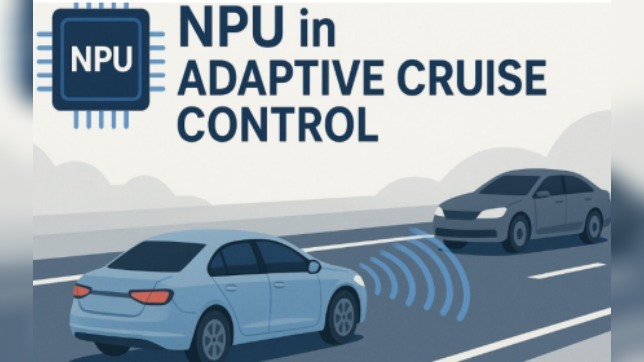
Adaptive Cruise Control uses sensors and cameras to watch the road ahead. These devices detect other cars and obstacles.
Sensors send signals to the car’s computer. Cameras help identify the distance and speed of vehicles in front.
- Radar sensors measure distance to vehicles
- Cameras capture real-time images
- Ultrasonic sensors detect close objects
Maintaining Safe Distance
The system keeps a set gap between your car and the one ahead. This gap adjusts based on speed and traffic.
If the car in front slows down, the system reduces your speed. It increases speed again when the road clears.
- Monitors distance continuously
- Adjusts gap for safety
- Prevents collisions by slowing down
Speed Adjustment Mechanism
The car’s computer controls the throttle and brakes to change speed. It matches the flow of traffic smoothly.
This system works with the car’s engine and brakes. It speeds up or slows down without needing driver actions.
- Uses engine control to increase speed
- Applies brakes to slow down safely
- Maintains steady speed on open roads
Benefits Of Adaptive Cruise Control
Adaptive cruise control helps drivers keep a safe distance from other cars. It adjusts speed automatically on highways and busy roads.
This system makes driving easier and safer by reducing the need for constant speed changes. Many drivers find it useful for long trips.
Enhanced Safety
Adaptive cruise control reduces the risk of accidents by keeping a safe distance. It uses sensors to detect slower vehicles ahead.
The system can slow down or stop your car to avoid collisions. It also helps maintain steady speeds in traffic, which lowers sudden braking.
Reduced Driver Fatigue
Adaptive cruise control lessens the need to use the gas and brake pedals often. This helps drivers stay relaxed during long drives.
With less stress on foot and leg muscles, drivers feel less tired. The system supports smooth driving, which makes trips more comfortable.
Improved Fuel Efficiency
The system keeps your car moving at steady speeds. This reduces fuel waste caused by sudden speeding up or slowing down.
Smoother driving helps the engine work better and saves gas. This benefit can lead to cost savings on fuel over time.
Limitations And Challenges
Adaptive Cruise Control (ACC) helps drivers keep a safe distance from cars ahead. It adjusts speed automatically on highways. Despite its benefits, ACC has some limits and problems.
Understanding these challenges can help drivers use ACC safely and wisely. This section explains key issues with ACC technology.
Weather And Road Conditions
ACC systems rely on sensors like radar and cameras. Bad weather can block these sensors. Rain, snow, fog, or dirt on sensors may reduce ACC’s accuracy.
Road conditions also affect ACC. Sharp curves, steep hills, and uneven roads can confuse the system. It may not react well to sudden changes.
- Heavy rain or snow limits sensor view
- Fog reduces camera effectiveness
- Slippery or uneven roads impact system response
- Road markings and signs may be unclear in bad weather
System Reliability
ACC systems are designed to work in many situations. Still, they can fail or give wrong signals. Software bugs and hardware faults affect reliability.
Different car models use different ACC technologies. Some systems are better than others. Drivers should know their system’s limits and warnings.
- Sensor errors can cause false braking or acceleration
- Software glitches may disrupt system functions
- Calibration issues affect performance
- System updates may be needed to fix bugs
Driver Overreliance
Some drivers trust ACC too much. They may pay less attention to the road. This can increase the risk of accidents.
ACC helps but does not replace the driver. Drivers must stay alert and be ready to take control at any time.
- Overtrusting ACC reduces driver focus
- Delayed reactions to sudden hazards can occur
- Drivers may ignore safe driving practices
- Manual control is necessary in complex traffic

Credit: www.nerdwallet.com
Future Trends In Smart Driving
Adaptive Cruise Control (ACC) is a key part of smart driving technology. It helps cars keep a safe distance from other vehicles. As technology grows, ACC will become more advanced and useful.
New trends show how ACC will work closely with other smart driving tools. These changes aim to make driving safer and easier for everyone.
Integration With Autonomous Vehicles
Adaptive Cruise Control is a building block for self-driving cars. It controls speed and distance automatically. Future cars will combine ACC with full autonomy to handle all driving tasks.
- ACC helps autonomous cars keep safe gaps on highways.
- It supports smooth driving in traffic jams.
- Integration improves overall vehicle control and safety.
- Data from ACC can help autonomous systems learn and adapt.
Advancements In Sensor Technology
Sensors are vital for Adaptive Cruise Control. They detect other vehicles and road conditions. New sensors are more accurate and work in all weather.
| Sensor Type | Use | Benefit |
| Radar | Detect distance and speed | Works in rain and fog |
| Lidar | Map surroundings | High precision in 3D |
| Cameras | Recognize objects and signs | Provide visual data |
| Ultrasonic | Short-range detection | Good for parking and close objects |
Regulatory And Ethical Considerations
Rules are needed to guide ACC use and development. Safety standards must keep up with technology. Ethical questions arise about decision-making in tricky situations.
Key regulatory and ethical points include:
- Setting clear safety requirements for ACC systems
- Determining who is responsible in accidents
- Ensuring privacy for data collected by sensors
- Addressing bias in decision algorithms
- Creating laws for mixed traffic with human and autonomous drivers
Credit: futuremobilitymedia.com
Frequently Asked Questions
What Is Adaptive Cruise Control In Simple Terms?
Adaptive cruise control is a car system that keeps a safe distance from vehicles ahead automatically.
How Does Adaptive Cruise Control Work In Cars?
It uses sensors and radar to detect traffic and adjust speed without driver input.
Is Adaptive Cruise Control Safer Than Regular Cruise Control?
Yes, it adjusts speed to traffic, reducing accidents caused by sudden braking or speeding.
Can Adaptive Cruise Control Stop The Car Completely?
Some systems can slow down and stop the car when traffic stops, then resume driving.
Does Adaptive Cruise Control Work In All Weather Conditions?
It works best in clear weather but may struggle in heavy rain, fog, or snow.
Conclusion
Adaptive Cruise Control helps drivers keep a safe distance on the road. It adjusts speed automatically to match traffic flow. This feature reduces stress during long drives and heavy traffic. Drivers stay more focused and less tired. Still, staying alert is important while using it.
Many new cars include this helpful technology today. It makes driving easier and safer for everyone. Try to understand how it works before using it. Safe driving always comes first.