

Last Updated on April 15, 2026
When it comes to your safety on the road, every detail matters. One part of your vehicle that often goes unnoticed but plays a crucial role in protecting you is the bumper.
You might think bumpers are just for looks or minor scratches, but they are actually designed to absorb impact and keep you safe during a crash. Understanding how bumpers work can help you appreciate their importance and make smarter choices about your car’s safety features.
Keep reading to discover how bumpers act as your first line of defense when accidents happen—and why they’re more vital to your protection than you might realize.
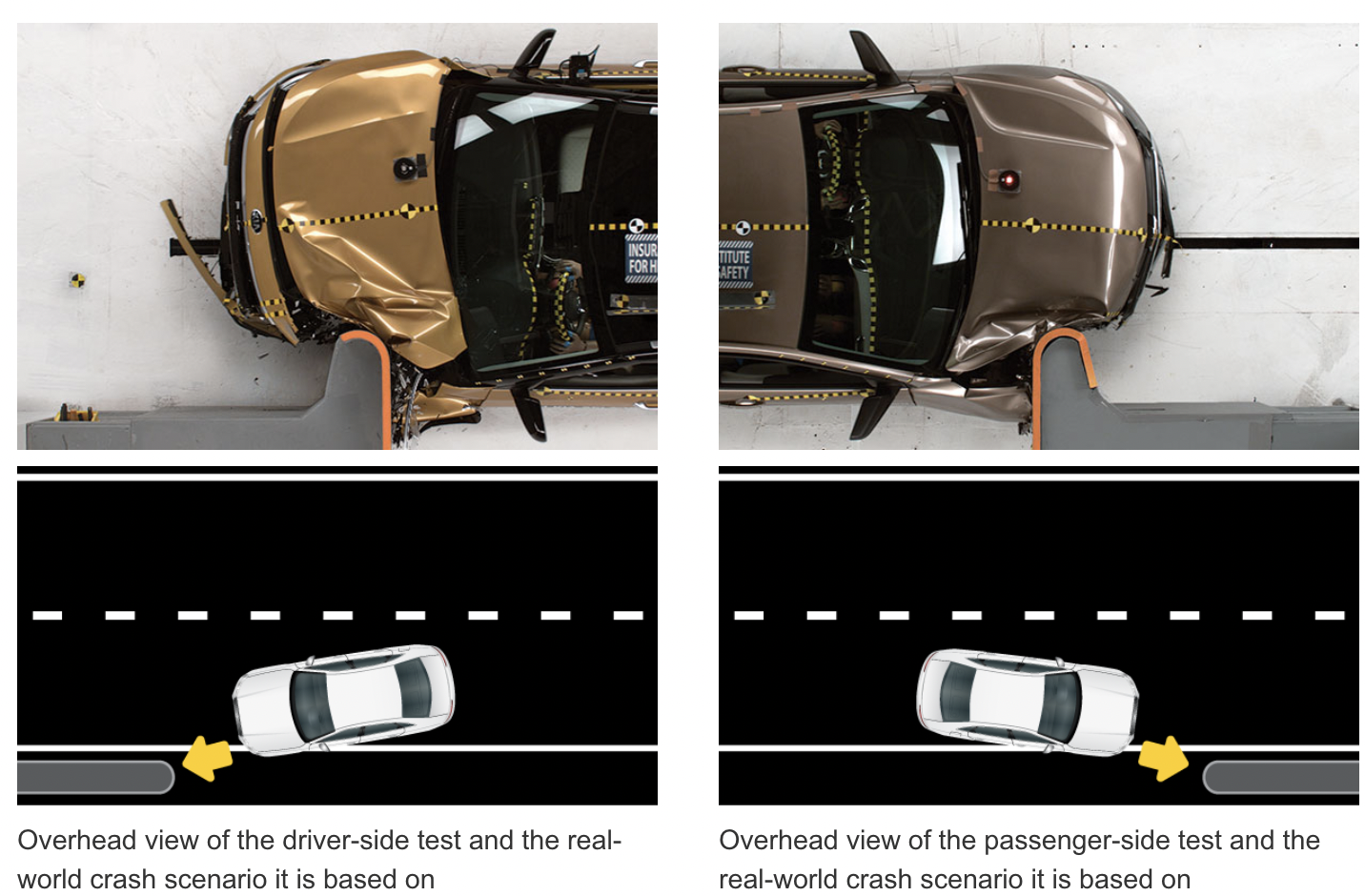
Credit: www.theautopian.com
Bumper Design And Materials
Bumpers play a key role in car crash safety. They protect the vehicle and reduce injury risks.
The design and materials of bumpers affect how well they absorb impacts and protect passengers.
Types Of Bumpers
There are several types of bumpers used in vehicles. Each type offers different levels of protection.
- Rigid bumpers made from steel or aluminum
- Flexible bumpers using plastic or rubber parts
- Energy-absorbing bumpers with foam or honeycomb structures
- Composite bumpers combining metal and plastics
Material Choices
| Material | Advantages | Common Use |
|---|---|---|
| Steel | Strong and durable | Rigid bumpers |
| Aluminum | Lightweight and corrosion resistant | Rigid and composite bumpers |
| Plastic | Flexible and cost-effective | Outer covers and flexible bumpers |
| Foam | Good energy absorption | Energy-absorbing bumpers |
| Rubber | Shock absorption and flexibility | Flexible bumpers |
Impact Absorption Features
Bumpers have special features to absorb impact and protect the car body and passengers.
- Shock absorbers inside the bumper frame
- Foam or honeycomb layers to reduce force
- Flexible outer skins to spread impact
- Energy-absorbing mounts to lower damage
- Crush zones designed to deform safely

Credit: www.parsonsautobody.com
How Bumpers Reduce Crash Damage
Bumpers play a key role in vehicle safety during crashes. They help lessen damage to the car and protect people inside.
This article explains how bumpers work by spreading energy, reducing damage to the vehicle, and keeping occupants safe.
Energy Distribution
Bumpers absorb and spread out the energy from a crash. This lowers the force that hits the main body of the car.
- Materials in bumpers compress to absorb shock
- Energy spreads over a wider area
- Reduces impact on key vehicle parts
Minimizing Vehicle Deformation
Bumpers help keep the car’s shape during a crash. This lowers repair costs and keeps the vehicle safer to drive after impact.
| Impact Type | Effect on Vehicle | Bumper Role |
| Low-speed crash | Minor dents | Absorbs shock and limits damage |
| Moderate crash | Body panels bend | Distributes force to reduce deformation |
| High-speed crash | Major frame damage | Helps delay damage to main structure |
Protection For Occupants
Bumpers protect people inside by reducing crash forces. They help keep the passenger cabin intact during impact.
Ways bumpers protect occupants:
- Absorb impact before it reaches passengers
- Work with airbags and seat belts
- Reduce sudden jolts to the body
Regulations And Safety Standards
Bumpers play a key role in vehicle crash safety. They help absorb impact and protect passengers. Many countries have rules to ensure bumpers meet safety needs.
These regulations cover design, materials, and testing. They aim to reduce damage and injuries in crashes.
Global Bumper Requirements
Different regions have their own bumper rules. They set limits on height, strength, and damage from low-speed impacts. These rules help standardize safety worldwide.
- United States: Federal Motor Vehicle Safety Standards (FMVSS) set bumper strength and impact limits.
- Europe: UNECE Regulation bumper standards focus on impact absorption and pedestrian protection.
- Japan: Regulations require bumpers to pass specific crash tests for safety.
- Australia: Australian Design Rules include bumper safety performance criteria.
Crash Test Criteria
Crash tests measure how well bumpers protect vehicles and people. Tests cover various speeds and angles to check damage and safety.
| Test Type | Speed | Purpose |
| Low-speed impact | 5-8 km/h | Check bumper damage and repair cost |
| Frontal crash | 30-50 km/h | Evaluate passenger safety and energy absorption |
| Pedestrian impact | Variable | Test bumper design to reduce pedestrian injuries |
Compliance Challenges
Manufacturers face challenges meeting all bumper regulations. Design limits and cost constraints make it hard to balance safety and price.
Common compliance challenges include:
- Meeting different global standards at once
- Designing bumpers that work in all crash types
- Keeping repair costs low after minor impacts
- Integrating bumpers with new vehicle technologies
Future Trends In Bumper Technology
Bumpers play a key role in vehicle crash safety. They absorb impact and protect passengers.
The future of bumpers focuses on smarter designs and better materials for safety.
Smart Bumpers
Smart bumpers use sensors to detect collisions early. They can alert drivers or even apply brakes.
- Detect objects nearby
- Communicate with other safety systems
- Adjust stiffness based on impact severity
Lightweight Innovations
New materials help make bumpers lighter. This reduces vehicle weight and improves fuel efficiency.
| Material | Benefit |
| Carbon Fiber | Strong and light |
| Aluminum Alloy | Corrosion resistant |
| Advanced Plastics | Cost-effective and flexible |
Integration With Advanced Safety Systems
Bumpers work with airbags and cameras to improve crash response.
Key features include:
- Triggering airbags on impact
- Supporting lane assist and parking sensors
- Providing data for crash analysis
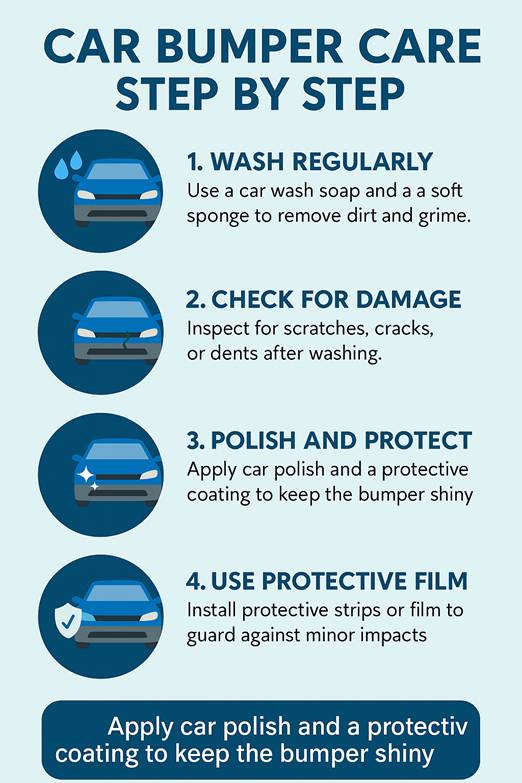
Credit: foodfuture.org.uk
Frequently Asked Questions
What Is The Main Purpose Of Bumpers In Crash Safety?
Bumpers absorb impact during low-speed crashes to reduce damage and protect passengers.
How Do Bumpers Reduce Injury In Car Accidents?
Bumpers lessen the force of impact, lowering the risk of injury to occupants.
Are All Car Bumpers Designed For Safety?
Most modern bumpers meet safety standards to protect both vehicles and people.
Can Bumpers Prevent Damage To Vital Car Parts?
Yes, bumpers shield essential parts like the engine and radiator during collisions.
How Do Bumpers Affect Crash Test Ratings?
Strong bumpers can improve crash test results by minimizing damage and protecting occupants.
Conclusion
Bumpers play a key role in keeping cars safe during crashes. They absorb impact and reduce damage to the vehicle and passengers. Strong bumpers can lower injury risks and repair costs. Car designers work hard to improve bumper safety features.
Understanding bumpers helps drivers appreciate their importance on the road. Safe bumpers mean safer driving for everyone. Always check your car’s bumpers for damage and repair them quickly. Small steps help protect lives and keep roads safer. Bumpers are simple yet vital parts of crash safety.