

Last Updated on April 15, 2026
Have you ever wondered how small changes to your car can make a big difference in its performance? One of the most overlooked parts that plays a crucial role is the underbody panel.
These panels might seem simple, but they can boost your vehicle’s speed, fuel efficiency, and handling in ways you might not expect. If you want to get the most out of your car, understanding the role of underbody panels is a game-changer.
Keep reading, and you’ll discover how these hidden components impact your ride and why they deserve your attention.

Credit: www.youtube.com
Aerodynamics And Underbody Panels
Underbody panels play a key role in a vehicle’s aerodynamics. They help control airflow beneath the car. This control improves the car’s speed and handling.
These panels cover the car’s underside, creating a smooth surface. This reduces air turbulence and drag forces that slow the vehicle down.
Reducing Drag
Underbody panels reduce drag by smoothing the airflow under the car. Less drag means the engine uses less power to maintain speed.
- Cover rough parts like the exhaust and suspension
- Guide air smoothly to the rear of the car
- Prevent air from getting trapped under the vehicle
- Lower the car’s overall air resistance
Enhancing Downforce
Underbody panels help increase downforce by shaping the airflow. Downforce pushes the car down, improving tire grip and stability.
| Effect | Benefit |
| Air flows faster under flat panels | Creates low pressure area |
| Low pressure pulls car down | Increases traction on roads |
| Improved traction | Better cornering and safety |
Credit: www.gm-volt.com
Materials Used In Underbody Panels
Underbody panels help protect a vehicle’s underside. They also improve its performance. Choosing the right materials is important for these panels.
The materials must be strong and light. They need to last long and resist damage from the road and weather.
Lightweight Composites
Lightweight composites are popular for underbody panels. They reduce the vehicle’s weight. This helps improve fuel efficiency and speed.
These composites mix plastic with fibers like carbon or glass. This mix makes the panels strong but not heavy.
- Carbon fiber composites offer high strength and low weight
- Glass fiber composites are cost-effective and durable
- Plastic blends resist corrosion and impact
Durability Factors
Durability is key for underbody panels. They face dirt, water, and road debris. Materials must handle these without breaking.
Good materials resist corrosion and cracks. They also can handle heat from the engine and brakes.
- Impact resistance protects against stones and debris
- Water resistance prevents rust and damage
- Heat tolerance avoids warping near hot parts
- UV resistance stops material from weakening in sunlight
Impact On Fuel Efficiency
Underbody panels play a key role in how a car uses fuel. They help the car move smoothly through the air.
By managing airflow under the car, these panels reduce drag. Less drag means the engine uses less fuel.
Streamlined Airflow
Underbody panels smooth the air under the car. This stops air from getting caught in rough spots.
Smoother airflow reduces wind resistance. The car can move easier and use less fuel.
- Blocks air from hitting uneven parts
- Creates a flat surface for air to flow
- Reduces turbulence under the car
Lowering Energy Consumption
Less air resistance means the engine works less hard. This lowers the energy the car needs.
When the car uses less energy, it saves fuel. This helps drivers spend less on gas.
- Engine runs more efficiently
- Less fuel is burned at higher speeds
- Improved fuel economy over time
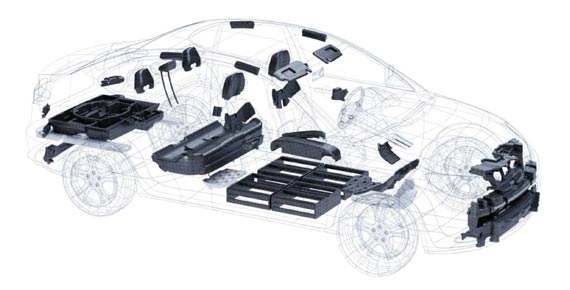
Credit: knaufautomotive.com
Installation And Maintenance Tips
Underbody panels help protect your vehicle and improve its performance. Proper installation and upkeep keep these panels working well. This guide gives simple tips for fitting and caring for underbody panels.
Following easy steps ensures your panels fit tight and last longer. Regular checks catch problems early. Read on to learn fitting techniques and inspection benefits.
Proper Fitting Techniques
Correctly fitting underbody panels improves aerodynamics and protects parts from dirt and damage. Follow these fitting tips for best results.
- Clean the mounting area before installation.
- Use all recommended bolts and clips to secure panels.
- Align panels carefully to avoid gaps or misfits.
- Do not overtighten fasteners to prevent cracks.
- Test fit panels before final tightening.
Regular Inspection Benefits
Checking underbody panels often helps find loose parts or damage early. This keeps your vehicle safe and efficient.
| Inspection Area | What to Look For | Action Needed |
| Panel edges | Cracks or splits | Replace or repair |
| Fasteners | Loose or missing bolts | Tighten or replace |
| Panel surface | Dents or holes | Patch or replace |
| Attachment points | Rust or wear | Clean and reinforce |
Frequently Asked Questions
What Do Underbody Panels Do For A Car’s Performance?
Underbody panels smooth airflow under the car, reducing drag and increasing speed and fuel efficiency.
How Do Underbody Panels Improve Vehicle Stability?
They help manage airflow to reduce lift and keep the car steady at high speeds.
Can Underbody Panels Affect Fuel Economy?
Yes, by lowering air resistance, underbody panels help cars use less fuel on the road.
Are Underbody Panels Important For Race Cars?
Race cars use underbody panels to maximize downforce and reduce drag for better handling and speed.
What Materials Are Used For Underbody Panels?
Common materials include plastic, carbon fiber, and aluminum for light weight and durability.
Conclusion
Underbody panels help cars move smoother and faster. They reduce air drag and protect important parts. This makes cars more stable on roads. Drivers can feel better control and less noise. These panels also improve fuel efficiency by cutting wind resistance.
Choosing the right underbody panel matters for performance. Small changes can lead to big differences in driving. Car enthusiasts and everyday drivers both benefit. Understanding their role helps in making smart upgrades. Simple parts, strong impact.