

Last Updated on April 15, 2026
Have you ever wondered why your car feels different on a rainy day or a slippery road? The secret lies in traction—the grip your vehicle’s tires have on the surface.
Traction isn’t just a technical term; it plays a crucial role in keeping you safe every time you drive. Understanding how traction works can help you make smarter choices behind the wheel and avoid dangerous situations. Keep reading to discover how traction affects your vehicle’s safety and what you can do to stay in control no matter the conditions.
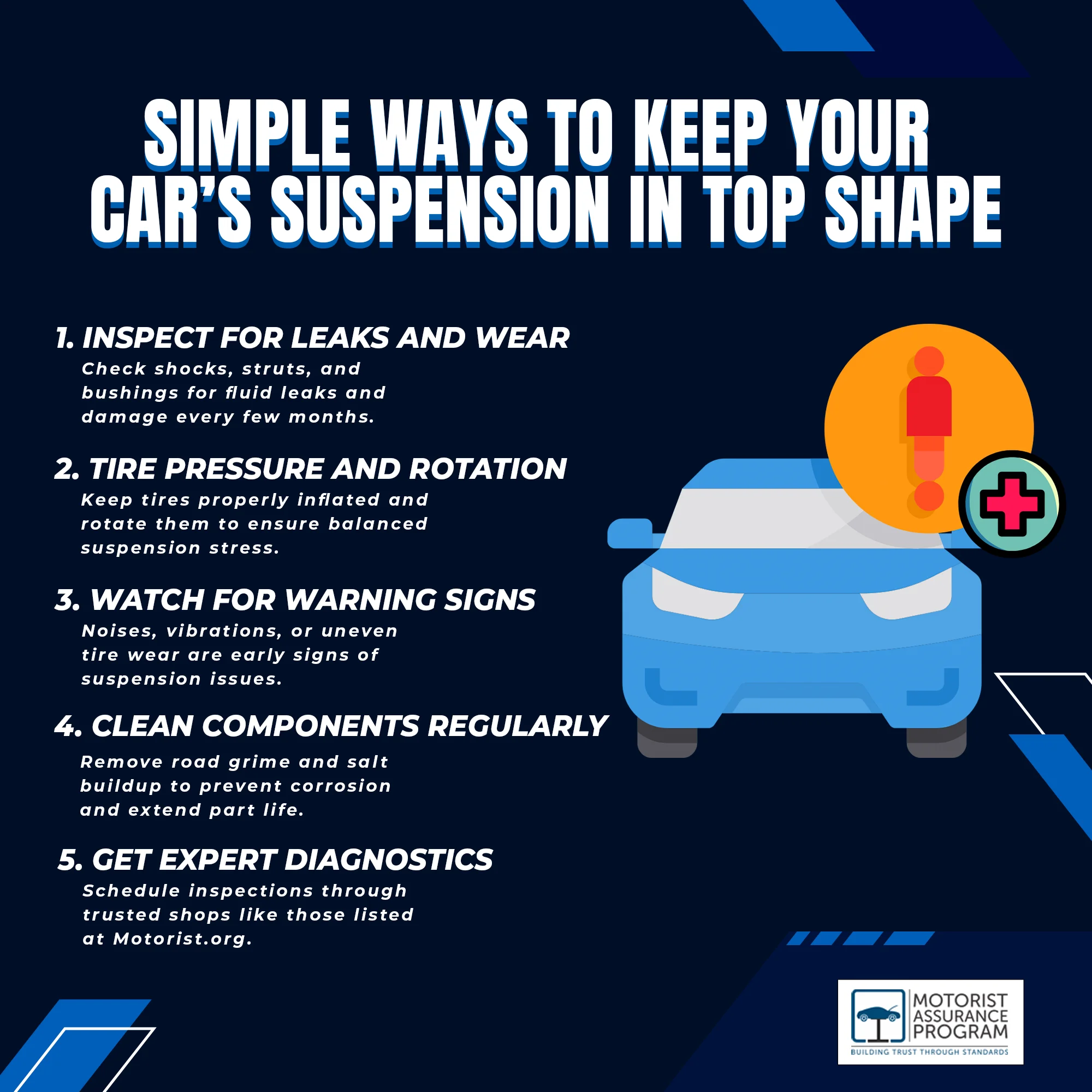
Credit: motorist.org
Traction And Vehicle Control
Traction is the grip between a vehicle’s tires and the road. It is very important for safe driving.
Good traction helps the driver control the vehicle well. It affects how the vehicle steers and stops.
Role Of Tires In Traction
Tires provide the contact surface that creates traction. Their material and tread affect grip on the road.
Worn or improper tires reduce traction. This makes driving dangerous, especially on wet or slippery roads.
- Tread pattern helps move water away for better grip.
- Softer rubber improves traction on dry roads.
- Proper tire pressure maintains the right contact area.
- Winter tires have special compounds for snow and ice.
Impact On Steering And Braking
Traction affects how well a vehicle responds to steering inputs. Good grip helps the vehicle follow the driver’s direction.
Braking depends on traction too. Tires need grip to slow down or stop the vehicle safely and quickly.
- Low traction can cause skidding during sharp turns.
- Poor grip increases stopping distance on slippery roads.
- Anti-lock Braking Systems (ABS) work better with good traction.
- Maintaining traction helps keep control in emergencies.
Factors Reducing Traction
Traction helps a vehicle grip the road. It keeps the car stable and safe. Several factors can reduce traction and cause danger.
Understanding these factors helps drivers stay cautious. It also helps them prepare better for driving in tough conditions.
Weather Conditions
Rain, snow, and ice lower the grip between tires and the road. Wet roads can cause slipping. Snow and ice make the surface slippery and hard to control.
- Rain washes away dirt and oil but creates water layers that reduce grip.
- Snow forms a smooth surface that tires cannot easily bite into.
- Ice is very slick and nearly eliminates traction.
- Fog lowers visibility, making it harder to react to traction loss.
Road Surface Types
Road surfaces affect how well tires stick. Some surfaces offer better traction than others. Rough surfaces help tires grip better.
| Road Surface | Traction Level | Notes |
| Asphalt | High | Common and offers good grip when dry |
| Concrete | Medium | Smoother and can be slippery when wet |
| Gravel | Low | Loose stones reduce tire contact |
| Ice | Very Low | Almost no traction, very dangerous |
Tire Wear And Maintenance
Worn tires lose their tread, which reduces traction. Proper tire care helps keep grip strong. Checking tires often is important for safety.
- Check tire tread depth regularly.
- Keep tires inflated to the recommended pressure.
- Replace tires when the tread is too low.
- Rotate tires to ensure even wear.
Techniques To Improve Traction
Traction is how well your vehicle’s tires grip the road. Good traction helps you stop, turn, and drive safely.
Using the right techniques can improve traction. This keeps you in control in different driving conditions.
Proper Tire Selection
Choosing the right tires is key for good traction. Different tires work best for different roads and weather.
All-season tires work well in mild weather. Winter tires have special treads for snow and ice. Summer tires give better grip on dry roads.
- Match tires to your typical weather conditions
- Check tire tread depth to ensure grip
- Use winter tires in snowy or icy areas
- Replace worn tires promptly
Maintaining Optimal Tire Pressure
Tire pressure affects how much tire touches the road. Too low or high pressure reduces traction and can cause accidents.
Check tire pressure regularly. Use the pressure recommended by the vehicle maker. Proper pressure helps tires grip better and last longer.
- Check tire pressure once a month
- Use a reliable tire pressure gauge
- Adjust pressure when tires are cold
- Follow manufacturer’s pressure guidelines
Driving Adjustments For Different Conditions
Driving style affects traction. Slow down on wet, icy, or loose surfaces. Avoid sudden moves that can cause skids.
Keep a safe distance from other vehicles. Use gentle braking and steering. These actions help maintain traction and control.
- Drive slower in rain, snow, or ice
- Increase following distance
- Avoid sharp turns and quick stops
- Use lower gears on slippery slopes
Credit: www.thegarageautomotivegreeley.com
Safety Tips For Traction Loss
Traction helps your vehicle grip the road. Losing traction can cause dangerous situations. Knowing how to react keeps you safe.
Below are important tips for handling skids, emergency maneuvers, and knowing when to seek help.
Handling Skids
If your vehicle starts to skid, stay calm. Avoid braking hard or turning sharply. Instead, steer in the direction you want to go.
- Take your foot off the gas pedal.
- Turn the steering wheel gently toward the skid.
- Do not slam on the brakes.
- Look where you want to go, not where the car is sliding.
Emergency Maneuvers
Sudden obstacles or road changes require quick action. Use smooth and controlled movements to keep control.
| Tip | Action |
| Brake | Press brake gently to avoid locking wheels |
| Steer | Turn smoothly and avoid overcorrecting |
| Accelerate | Use light acceleration if you lose traction going uphill |
| Use ABS | Let anti-lock brakes work; do not pump the brake |
When To Seek Professional Help
If traction problems happen often, get your vehicle checked. Tires, brakes, and suspension affect traction quality.
Consider these signs to visit a mechanic:
- Frequent skidding or slipping on dry roads
- Uneven tire wear or bald tires
- Warning lights on your dashboard
- Unusual noises while driving

Credit: www.youtube.com
Frequently Asked Questions
What Is Vehicle Traction And Why Is It Important?
Vehicle traction is the grip between tires and road. It helps control and stop the vehicle safely.
How Does Poor Traction Affect Vehicle Safety?
Poor traction can cause slipping, longer stops, and loss of control, increasing accident risks.
Which Factors Reduce Vehicle Traction On Roads?
Wet, icy, or oily roads, worn tires, and sharp turns reduce vehicle traction.
How Can Drivers Improve Traction During Bad Weather?
Slow down, keep tires well-inflated, and use winter or all-season tires for better grip.
Does Traction Control System Enhance Vehicle Safety?
Yes, traction control helps prevent wheel spin, improving stability and safety on slippery roads.
Conclusion
Good traction keeps your vehicle stable and safe on the road. It helps you stop quickly and turn smoothly. Poor traction can cause slipping and accidents. Tires, road conditions, and speed all affect traction. Pay attention to these to stay in control.
Safe driving depends on good grip between tires and the road. Always check your tires and drive carefully. Traction matters for every trip, no matter the weather or distance. Stay alert, drive smart, and keep your vehicle safe.